


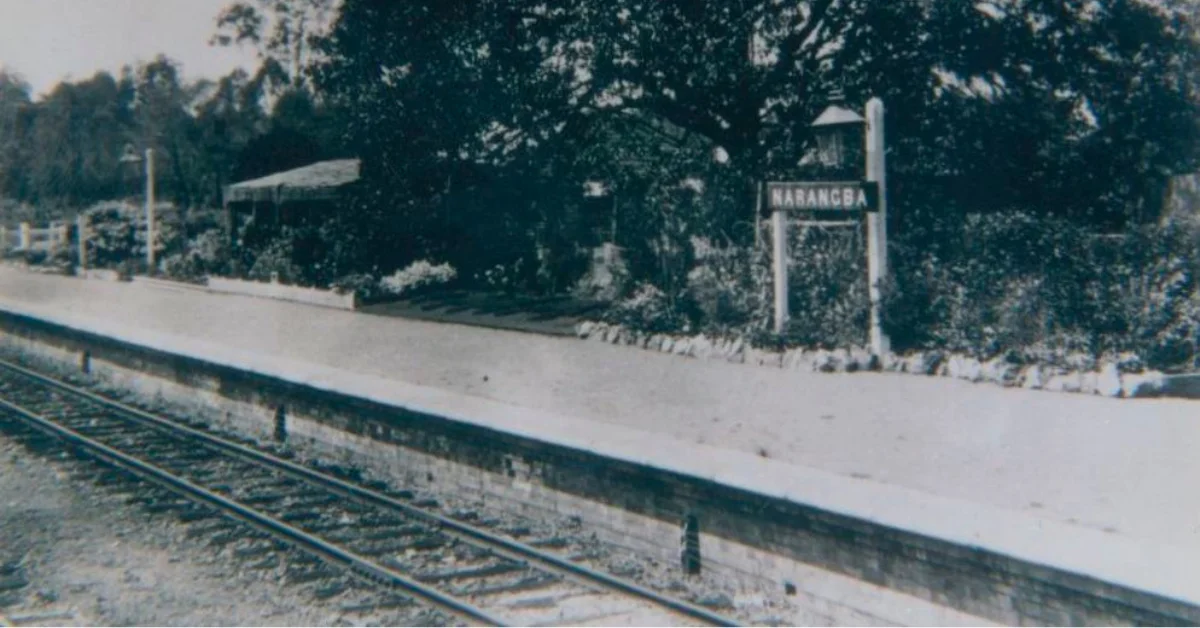
Narangba Train Station has played a central role in the suburb’s transformation. It began in the 19th century and continues today as a key transport hub.
Historic Beginnings in Stoney Creek
Narangba Train Station was originally opened in 1888 as Sideling Creek Station. It was located in what was then referred to as the Stoney Creek area. The station’s name was later changed to Narangba, derived from an Aboriginal word meaning “small ridge”. This name described the natural terrain surrounding the site.


Rail access encouraged development in the region. It eventually formed the foundation of the township around the station. By the late 1920s, the station also housed the local post office. It sat at the centre of a small community that included a public hall, general store, newsagency, and school.

Railway Gardens Recognised Across Queensland
During the early to mid-20th century, Narangba Train Station became known for its award-winning gardens. From 1922 to 1944, station master Norman Rose managed the station’s landscaping. Under his care, the gardens won first prize in competition for seven consecutive years, from 1927 to 1933.
The platform displayed the station’s name spelled out in coloured irises. Each letter was framed by a green-painted tyre. Beside this, a bush house featured a variety of plants. These included ferns, staghorns, creepers, orchids, and flowering species. The display created a distinctive botanical setting for commuters.

Tragedy on the Tracks
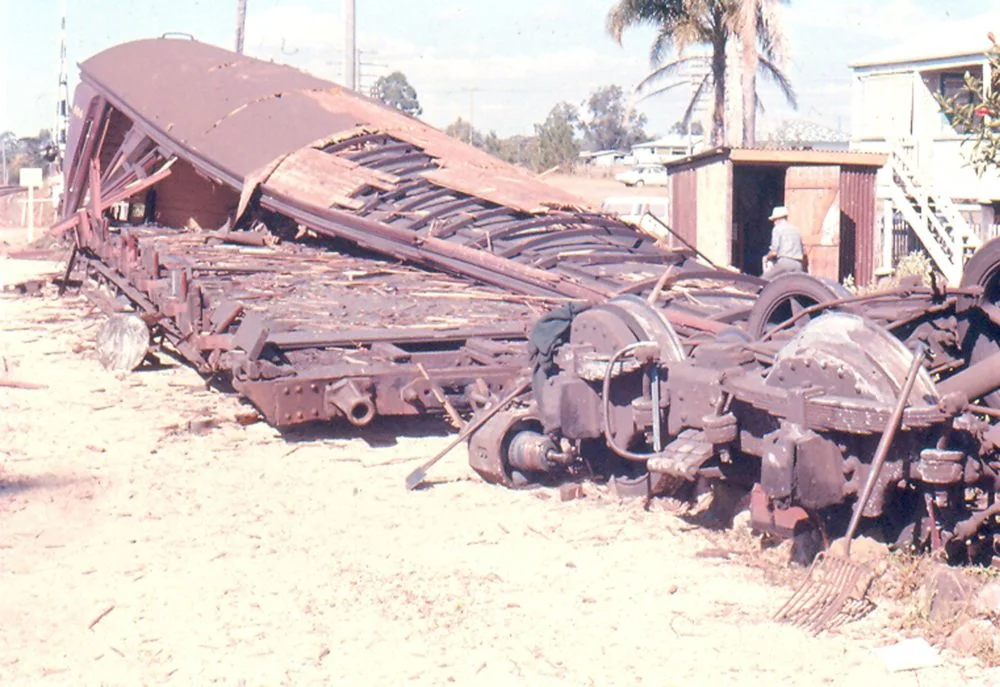
On 9 June 1970, a fatal train collision occurred at Narangba Station. One train struck the rear of a stationary suburban train. Two passengers were killed.
The incident raised concerns about the safety of wooden-bodied rolling stock, known as the Evans carriages. These carriages continued operating on suburban services until they were fully withdrawn in 1986.
From Farmland to Urban Growth
The area surrounding Narangba was once dominated by agriculture. It was used for dairy farming and crop cultivation. Early settlers such as Joseph Delaney and James McCullagh contributed to the region’s agricultural development and transport routes.
As infrastructure improved, the population increased. In 1911, Narangba had just 58 residents. By 2020, that number had grown to more than 18,000, based on census data.
Modern-Day Challenges and Community Reflections
As the suburb continues to grow, residents have raised concerns about railway crossing delays. Increased train frequency has led to longer wait times for motorists. Some locals have called for improved traffic flow to address the issue.
Ongoing Role in a Growing Suburb
Narangba Train Station has changed significantly over the past century. It remains a key part of the suburb’s identity and infrastructure. The station serves as both a historical landmark and an essential transport link, reflecting the area’s transition from rural farmland to a growing residential community.
Published 29-July-2025


CLICK ANY LOGO TO SEE PUBLICATION