


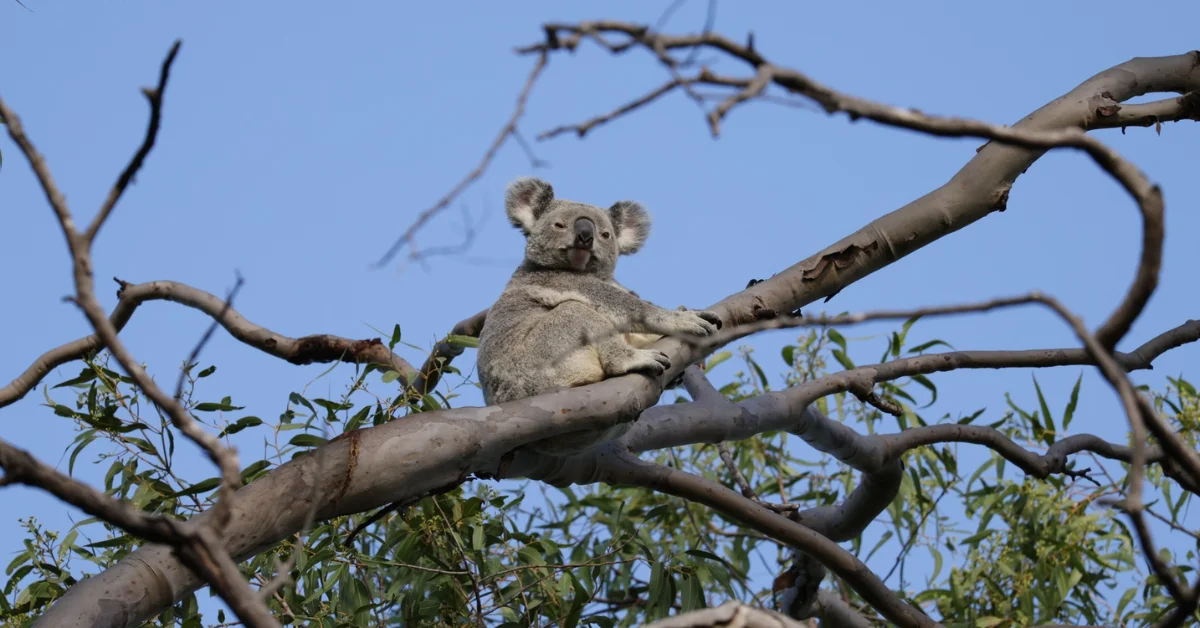
North Lakes locals are close to a wider Moreton Bay conservation effort, with a koala population study now using thermal drones, detection dogs and scat analysis to better understand local koala populations.
A Closer Look At Koala Populations
A koala population study is underway in selected Moreton Bay reserves, bringing together drone technology and ground-based surveys to collect information about local koalas.


The work is being supported by the University of the Sunshine Coast and is intended to help improve knowledge of koala population dynamics in parks and reserves. The information gathered will later guide conservation work in the areas being surveyed.
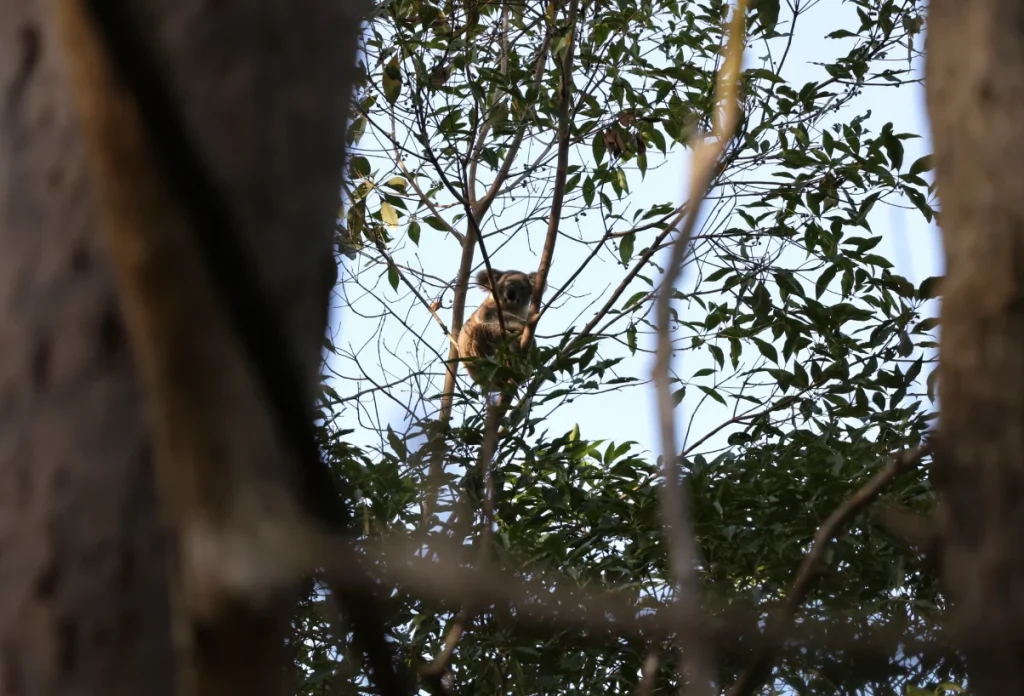
Thermal-camera drones are being flown over specific reserve areas in a systematic scanning pattern. The drones are used to help detect koalas from above before field personnel and detection dogs conduct follow-up scat surveys on the ground.
The scat samples collected during the field work will be analysed to assess koala health and demographics. This will help build a more detailed understanding of koalas in the surveyed areas, including information beyond their location.
Survey Work Runs Through Selected Reserves
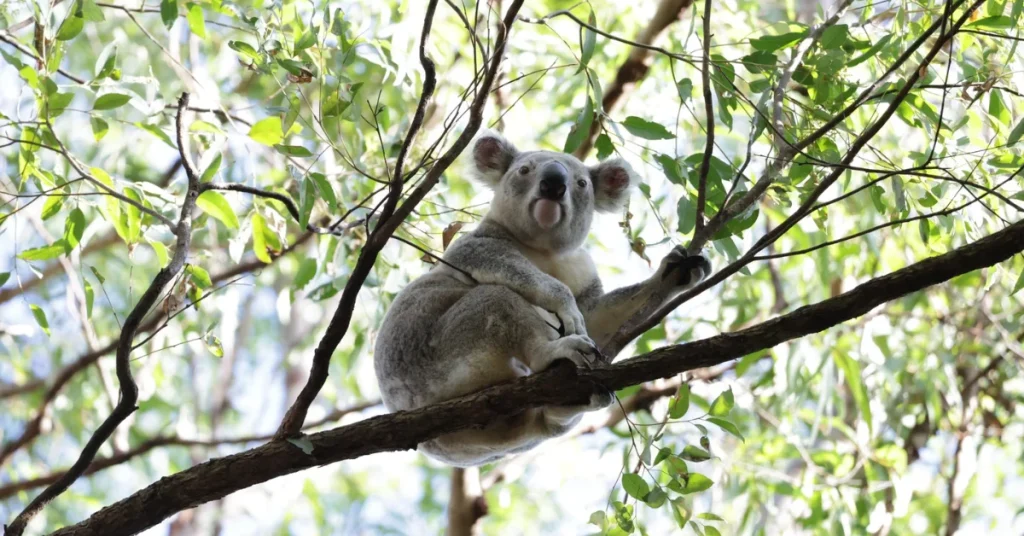
The confirmed survey locations are Murrumba Downs, Kallangur, Strathpine, Petrie, Lawnton, Whiteside and Joyner.
The work is scheduled to continue until 11 June 2026, weather permitting. Survey activity is being carried out between 10pm and 5am, with drone flights followed by ground-based checks where required.
At this stage, the project is still collecting data. No findings have been released about koala numbers, distribution or health, and the results are expected later this year.
Data To Guide Habitat And Movement Measures
Once the results are analysed, they may help inform future koala conservation projects. These may include vegetation and habitat assessments, weed control, infill planting, disease management, koala hatches, underpasses and exclusion fencing.
The study is aimed at filling gaps in knowledge about koalas in selected parks and reserves. By using thermal drones first and detection dogs on the ground, the project can combine wider aerial scanning with targeted sample collection.
The findings will not be known until the analysis is complete. The survey work marks an early but important step in understanding how koalas are using parts of Moreton Bay and what future conservation work may need to address.
Published 1-June-2026


CLICK ANY LOGO TO SEE PUBLICATION