


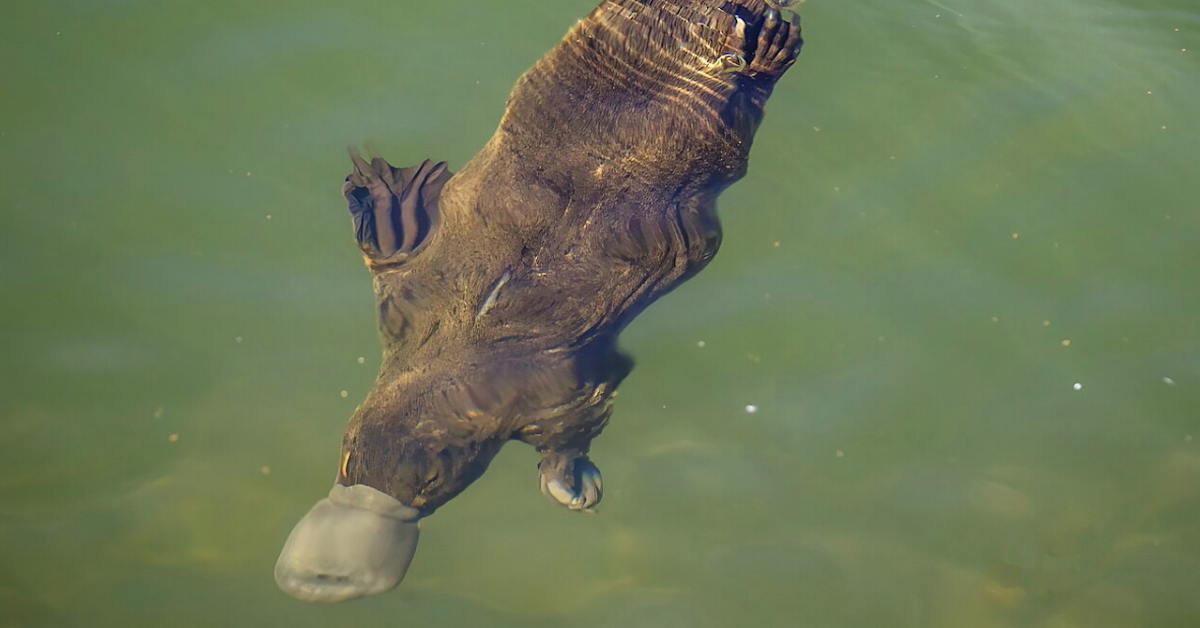
Petrie has been identified as one of the newest locations to return a positive platypus DNA result, adding another monitoring site to the growing record of the native species across Moreton Bay’s waterways.
The finding was announced by the City of Moreton Bay on 9 October 2026, following environmental DNA testing at 158 locations across the region. Platypus DNA was detected at 91 sites, including eight that returned positive results for the first time.


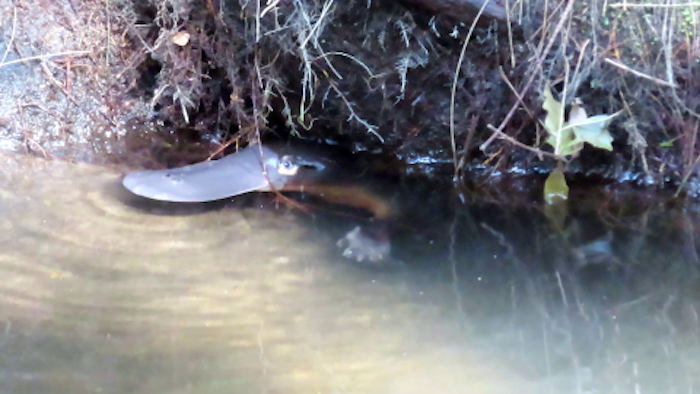
Petrie joins newly positive monitoring locations
The Petrie result adds to evidence of platypus activity across the North Pine River catchment, one of five major catchments where the species was detected during the latest monitoring program.
The North Pine River passes through Petrie, while Yebri Creek also forms part of the local waterway system. Both waterways traverse the Moreton Bay Central Priority Development Area, which includes land in Petrie, Kallangur and Lawnton.
A first positive detection also does not establish that platypuses have only recently arrived. The animals may have been present before testing identified their DNA at the location.
North Pine River remains part of platypus habitat network
Platypus monitoring has previously identified the North Pine River as an important area for the species within the wider Moreton Bay region.
Earlier environmental DNA surveys conducted through Wildlife Queensland’s PlatypusWatch program found that platypuses continued to be detected in the North Pine and South Pine rivers, despite erosion and sedimentation affecting urban sections of the catchments.
The latest Petrie detection contributes another positive monitoring location to the catchment’s records. Elsewhere across Moreton Bay, 50 sampling sites have returned positive results for three consecutive years, providing repeated evidence of the species’ presence in those waterways.
Mayor Peter Flannery said the monitoring findings indicated that platypuses were distributed widely across the city, including waterways near developed areas. He also highlighted the importance of managing local waterways to support native wildlife.
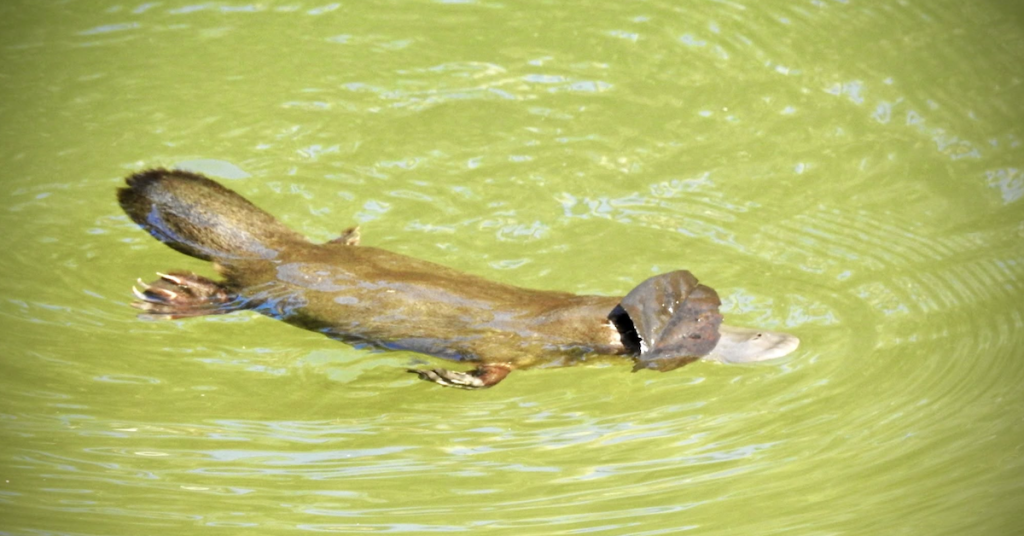
Water testing detects animals without capture
The monitoring program uses environmental DNA, or eDNA, to detect genetic material left behind by platypuses as they move through rivers and creeks.
Water samples are analysed for biological traces, including material shed by the animals. The method allows researchers to identify their presence without trapping or physically handling them.
A positive result indicates that platypus DNA was present in the sample, but does not establish how many animals inhabit a particular waterway.
Negative samples are also not conclusive. Council reported that camera monitoring and community sightings had confirmed platypus presence at several locations where DNA testing had produced negative results.
Creek-bank rehabilitation supports North Pine waterways
The monitoring results will contribute to Council’s catchment management initiatives, including projects aimed at restoring vegetation along waterways, improving water quality and reducing erosion.
Riparian vegetation, which grows beside rivers and creeks, helps stabilise banks and maintain habitat conditions for aquatic and land-based wildlife.
The findings cover five catchments across Moreton Bay: the North Pine River, South Pine River, Caboolture River, Stanley River and Mary River. Newly positive sites were also identified in Burpengary, Morayfield, Elimbah, Strathpine and Samford Valley.
Residents who observe platypuses in Petrie or surrounding waterways can submit sightings through the City of Moreton Bay’s native wildlife reporting service.
The full monitoring results are available through the City of Moreton Bay environmental data map.
Published 13-Oct-2026


CLICK ANY LOGO TO SEE PUBLICATION