



A sudden rise in weak and dead green turtles along the Deception Bay shoreline has alarmed local residents, with at least 19 turtles washing up across the northern end of Moreton Bay in recent weeks.
Turtles Found In Poor Condition
The cases form part of a wider pattern in the bay, where turtles have been arriving on shore with signs of long-term stress and poor health. Recent sightings show many juveniles reaching the shore weak and unable to swim well. Residents reported turtles covered in moss, barnacles and parasites. These signs point to long periods of illness and low strength.


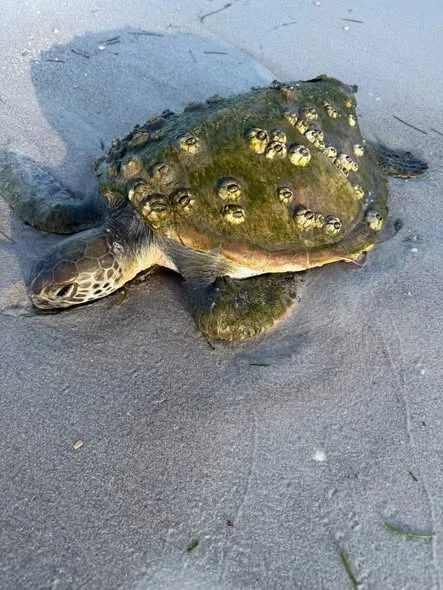


Other reports across the bay described turtles drifting into beaches or mudflats because they lacked the energy to stay in deeper water. Wildlife teams caring for sick turtles noted similar issues linked to poor condition and reduced access to food after heavy rain and flooding.
Water Quality And Food Loss
Residents and local groups said runoff from recent rainfall lowered water clarity and affected seagrass areas. Seagrass is the main food source for green turtles. When the water becomes too cloudy, less sunlight reaches the seagrass and growth slows.
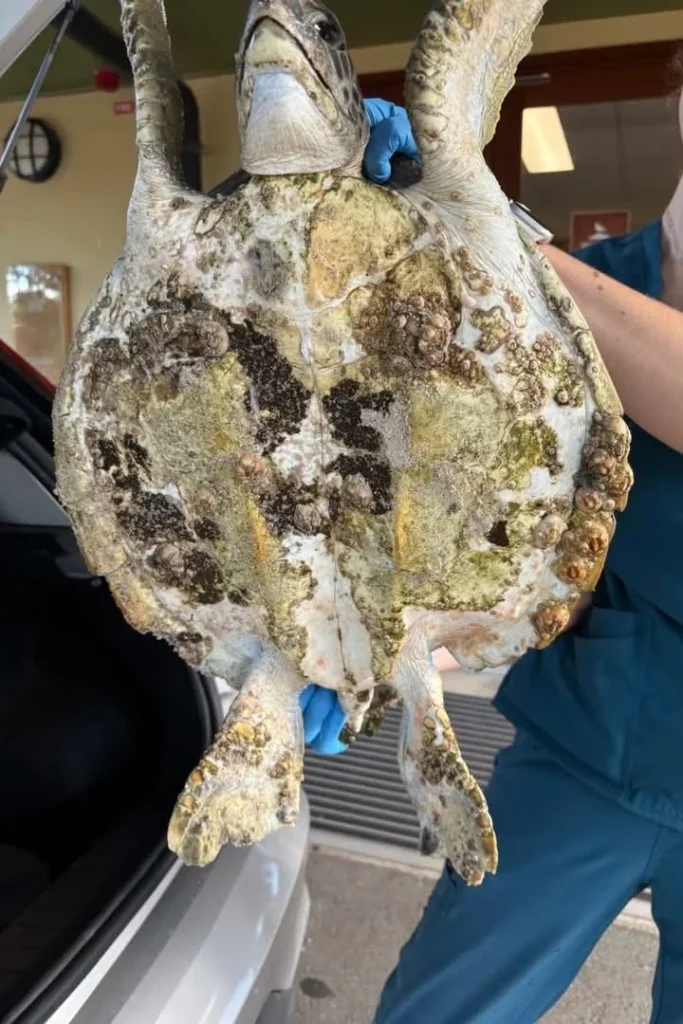


Reports from other parts of the region showed that places with healthier seagrass had fewer cases of soft shell and sickness, which highlights the link between habitat quality and turtle health. In Deception Bay, many strandings were recorded during periods of poor water conditions in nearby rivers and creeks.
Human Impacts Also Present
Most turtles showed signs of weakness, although some had injuries from boats or fishing gear. Residents and volunteer rescuers shared photos of cuts, propeller marks and rope impressions.
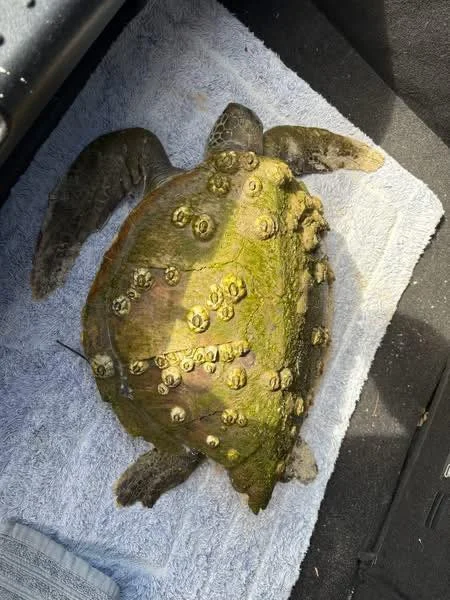
These cases added pressure to animals already struggling with low strength and poor habitat conditions.
Community Response
The community in Deception Bay has been quick to report strandings. These reports helped rescue groups locate sick turtles faster and transport the few survivors for treatment. Local groups encouraged residents to keep reporting any animals found on the shore.
Understanding the timing and location of each case helps track changes in water quality, food supply and weather events. This information guides local efforts to support the long-term recovery of the bay.
Published 10-December-2025
CLICK ANY LOGO TO SEE PUBLICATION