




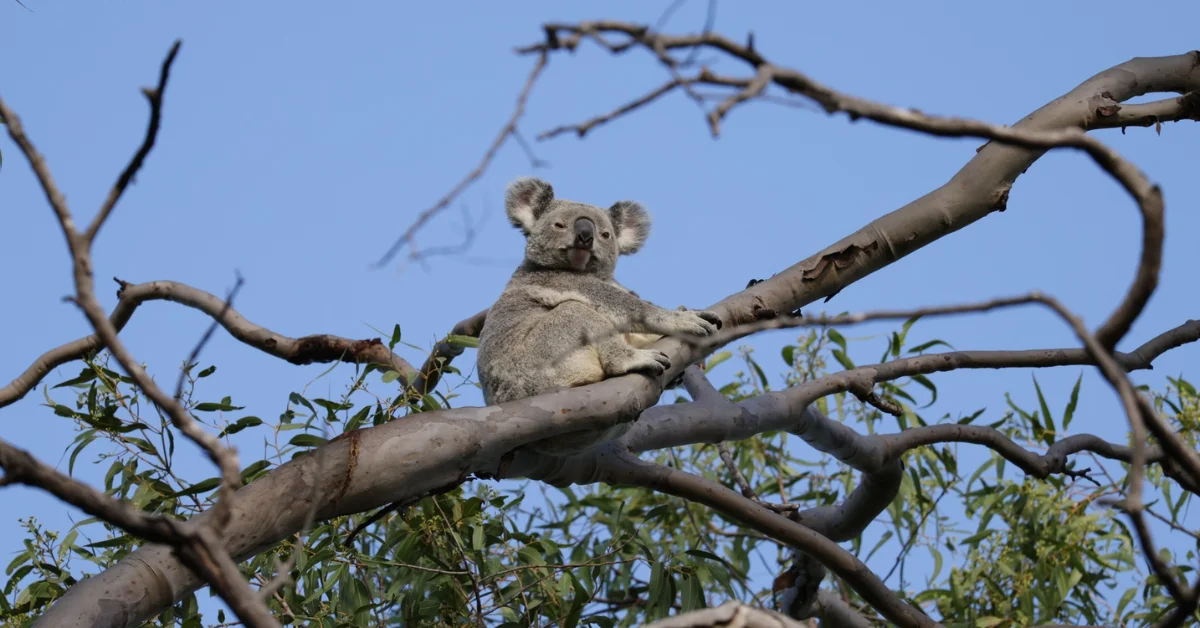
Moreton Bay Koala Work Turns To Thermal Drone Surveys 

North Lakes locals are close to a wider Moreton Bay conservation effort, with a koala population study now using thermal drones, detection dogs and scat analysis to better understand local koala populations. 


A Closer Look At Koala Populations

A koala population study is underway in selected Moreton Bay reserves, bringing together drone technology and ground-based surveys to collect information about local koalas.

The work is being supported by the University of the Sunshine Coast and is intended to help improve knowledge of koala population dynamics in parks and reserves. The information gathered will later guide conservation work in the areas being surveyed.

Thermal-camera drones are being flown over specific reserve areas in a systematic scanning pattern. The drones are used to help detect koalas from above before field personnel and detection dogs conduct follow-up scat surveys on the ground.

The scat samples collected during the field work will be analysed to assess koala health and demographics. This will help build a more detailed understanding of koalas in the surveyed areas, including information beyond their location.
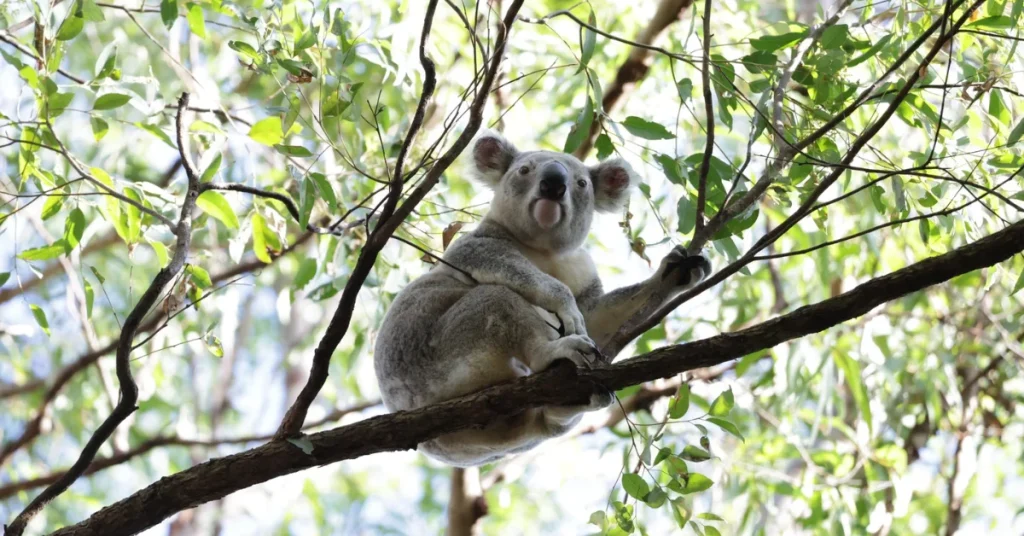
Survey Work Runs Through Selected Reserves

The confirmed survey locations are Murrumba Downs, Kallangur, Strathpine, Petrie, Lawnton, Whiteside and Joyner.

The work is scheduled to continue until 11 June 2026, weather permitting. Survey activity is being carried out between 10pm and 5am, with drone flights followed by ground-based checks where required.

At this stage, the project is still collecting data. No findings have been released about koala numbers, distribution or health, and the results are expected later this year.
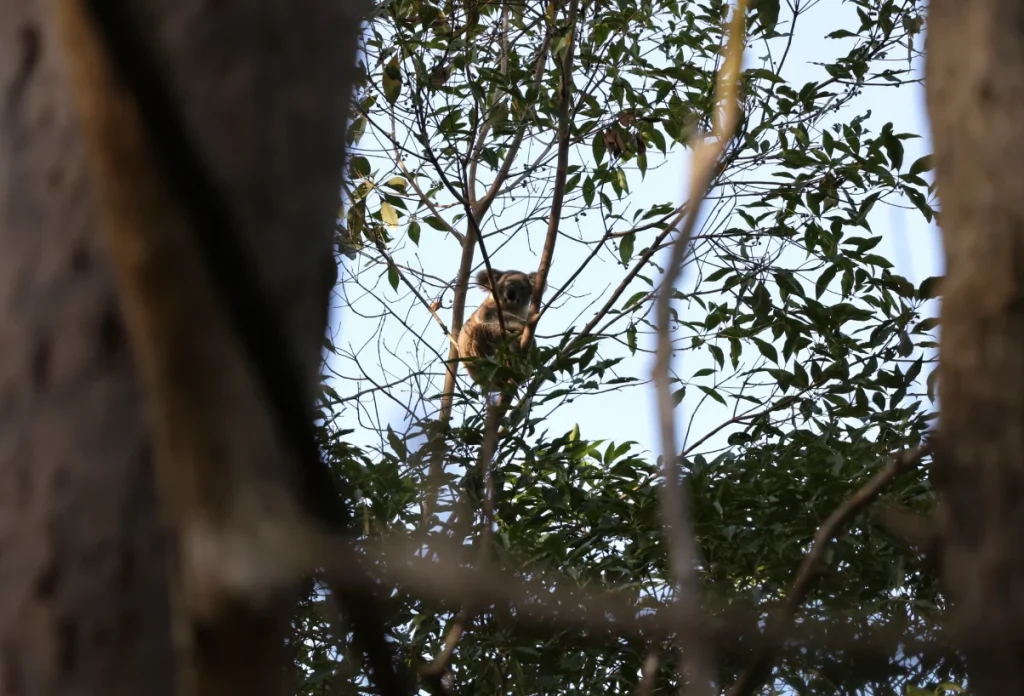
Data To Guide Habitat And Movement Measures

Once the results are analysed, they may help inform future koala conservation projects. These may include vegetation and habitat assessments, weed control, infill planting, disease management, koala hatches, underpasses and exclusion fencing.

The study is aimed at filling gaps in knowledge about koalas in selected parks and reserves. By using thermal drones first and detection dogs on the ground, the project can combine wider aerial scanning with targeted sample collection.


The findings will not be known until the analysis is complete. The survey work marks an early but important step in understanding how koalas are using parts of Moreton Bay and what future conservation work may need to address.

Published 1-June-2026
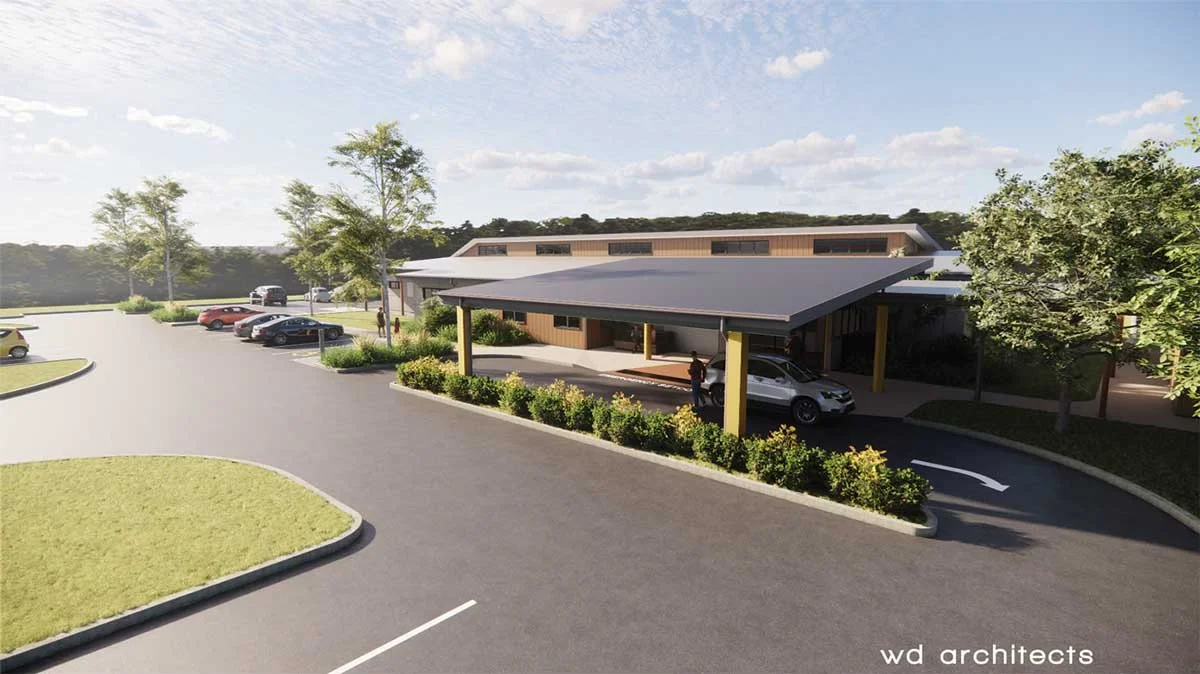
Dakabin to Welcome New Wildlife Hospital Aimed at Saving Local Species

A $15-million wildlife hospital is coming to Dakabin, promising faster treatment for injured native animals and relief for overworked rescue groups across the Moreton Bay region.


The facility, which will include a community education hub, is set to become a vital service for one of Queensland’s most wildlife-dense areas, where koalas and other native species are often at risk from traffic, habitat loss, and disease.

Purpose-Built for the Community and the Environment

The new hospital will be built on land valued at about $3 million at 420 Old Gympie Road in Dakabin, with construction expected to begin once final designs and permits are completed. The location was selected for its accessibility, proximity to bushland corridors, and ability to support a long-term expansion plan. 

According to the Moreton Bay Wildlife Hospital Foundation, the facility will focus solely on native wildlife, providing emergency care and rehabilitation for animals such as koalas, sugar gliders, wallabies, and flying foxes. It will not treat domestic pets, keeping its mission firmly on wildlife conservation.

The new Dakabin hospital forms part of a broader state-wide push to improve wildlife-care capacity across Queensland. Similar projects are being developed in Redlands, Southport, Currumbin, and Green Island, as part of an ongoing investment in wildlife rescue and rehabilitation infrastructure.

Each site is expected to work collaboratively, sharing expertise and resources to ensure that injured and sick animals receive timely, high-quality care.

Photo Credit: Moreton Bay Wildlife Hospital/Facebook

Reducing Travel and Improving Survival Rates

Local carers and wildlife volunteers say the project could not come soon enough. Rescue groups have reported that injured animals often endure long trips — sometimes more than two hours — to reach the nearest veterinary hospital equipped to handle wildlife emergencies. 

These journeys can significantly reduce survival chances, particularly for species prone to stress or shock. The new facility in Dakabin will mean faster intervention, potentially saving thousands of animals each year.

Education Hub to Build Wildlife Awareness

Community leaders and environmental advocates have also praised the inclusion of an education hub, describing it as a crucial bridge between science and the public. The education component will host workshops, school excursions, and volunteer training programs to teach residents how to respond when they find injured wildlife and how to make backyards and roadways safer for native species. The aim is to build a community that not only supports the hospital but actively contributes to preventing harm in the first place.

The hospital’s design will prioritise sustainability, with plans for solar energy, rainwater harvesting, and landscaping that mimics natural habitats. This will create a calm, restorative environment for recovering animals and demonstrate environmentally responsible development for the area. While the design phase is still underway, the facility is expected to include treatment and recovery rooms, triage areas, and outdoor rehabilitation enclosures.

A Regional Effort to Strengthen Wildlife Care

The Moreton Bay region has one of the largest koala populations in Queensland, making it a hotspot for wildlife rescues. However, increasing urban development has led to more frequent encounters between humans and animals, often resulting in road strikes and habitat fragmentation. 

Wildlife groups hope the Dakabin hospital will act as a stabilising force — both for local ecosystems and for the growing network of carers who have worked tirelessly to protect the region’s biodiversity.

While an exact construction timeline has not been finalised, early projections suggest the hospital could be operational within three years. Once complete, it will serve as both a treatment centre and a community hub, offering volunteer placements, training programs, and collaboration opportunities for universities and wildlife researchers.


Local volunteers say the facility will fill a long-standing gap in the region’s animal care network and help build long-term resilience for the area’s environment.

Published 28-Oct-2025