




New Queensland E-Mobility Laws Under Spotlight After Fatal Crash Near Dayboro

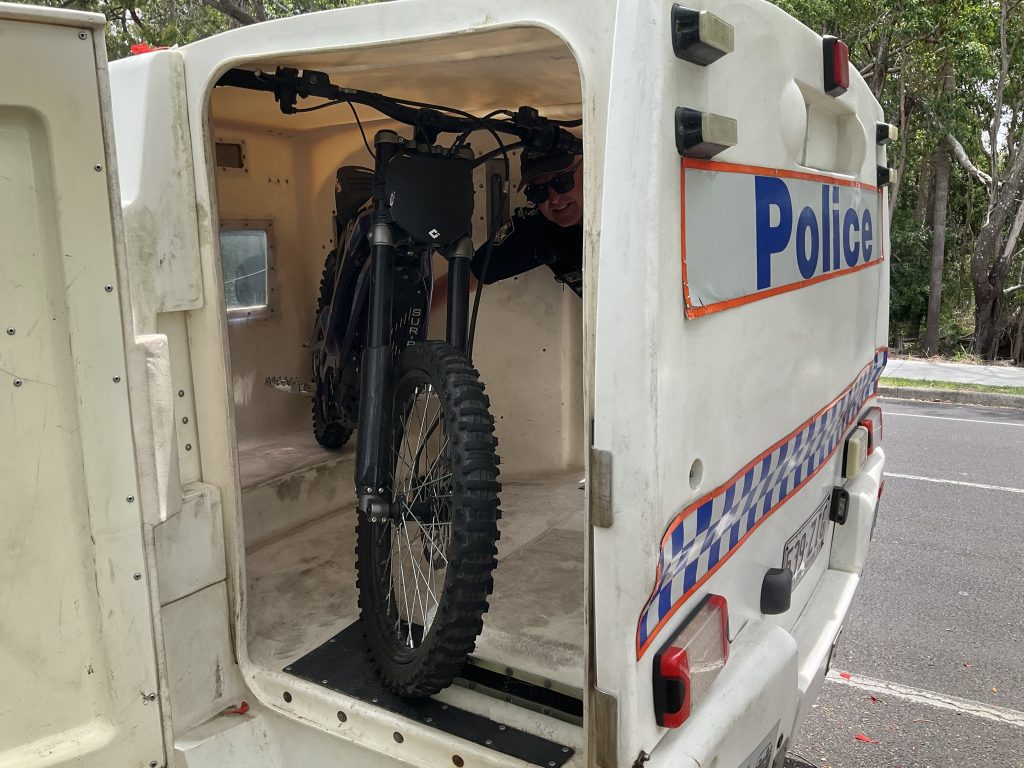
A 17-year-old boy has died after his electric dirt bike collided with a ute at Laceys Creek near Dayboro, placing renewed attention on Queensland’s newly introduced e-mobility laws. The fatal crash happened less than two weeks after tougher rules took effect, giving police expanded powers to target illegal and high-powered e-mobility devices and introducing stricter penalties for unsafe riding.


Read: Koala Alert at Youngs Crossing Upgrade Puts Joyner Drivers on Notice


The reforms, which came into effect on 1 July, introduced a 12km/h speed limit on footpaths, expanded police powers to seize illegal devices, random breath testing for riders and higher penalties for offences including riding without a helmet, carrying passengers illegally and dangerous riding. Since the laws began, police said one teenager has died and 22 people have been injured in e-mobility device crashes across Queensland.
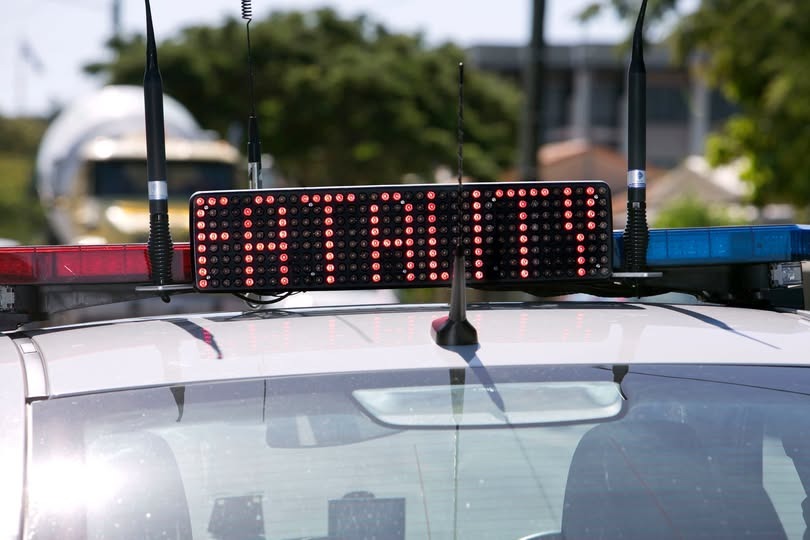
Photo credit: QPS

Police said the crash happened about 12.15pm on 12 July, when a Talaria Sting electric dirt bike collided with a white Holden Colorado travelling in the opposite direction on Laceys Creek Road. The rider, a 17-year-old Rothwell boy, suffered life-threatening injuries and was flown to Royal Brisbane and Women’s Hospital, where he later died. The 55-year-old driver from Laceys Creek was not injured. The Forensic Crash Unit is continuing to investigate the circumstances of the collision.

New Laws Begin Rolling Out
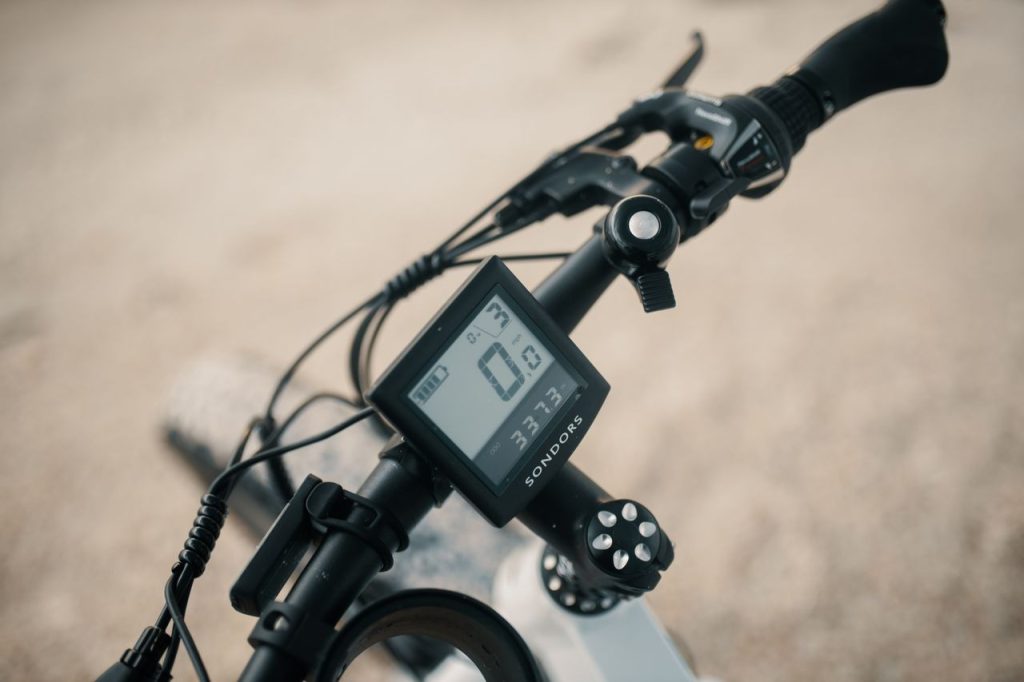
Photo credit: Pexels /Josh Sorenson

Police Minister Dan Purdie said the tougher penalties were intended to deter dangerous riding, saying too many people continued to be injured on e-mobility devices. He also acknowledged the death of another young person following the crash near Dayboro.

Queensland Police are also reporting early signs that the new rules are influencing rider behaviour. Assistant Commissioner Rhys Wildman said frontline officers regularly witnessed the devastating consequences of serious crashes and that the impact extended well beyond those directly involved, affecting families, emergency responders and local communities. He said police were already seeing encouraging changes in rider compliance.

Between 1 and 12 July, officers conducted 120 random breath tests on e-mobility riders across the state. More than 100 illegal devices were seized and more than 420 infringement notices were issued during the same period.

Helmet offences accounted for the largest number of fines, with 243 riders penalised. Seven people were charged with riding under the influence of alcohol, including one e-scooter rider detected just minutes after the new laws took effect. Police also charged two riders in Rockhampton for travelling together on the same e-scooter without helmets along a main road.

Under the current penalties, riders found over the legal blood alcohol limit can face fines exceeding $500, while the maximum court-imposed penalty is $6,908.

Police also reported a significant reduction in illegal high-powered e-mobility devices being used on Queensland roads and paths since the expanded enforcement powers came into effect. Assistant Commissioner Wildman said the early results suggested many riders had responded positively to the changes, with widespread improvements in behaviour already being observed.


Read: Delivery Truck Driver Freed After Multi-Vehicle Crash on Lipscombe Road


Further reforms are scheduled to begin on 31 August. Most riders will then need to hold a driver licence or learner permit. Exemptions will apply for eligible people with certain medical conditions or disabilities, while riders aged 12 to 17 will only be permitted to use e-mobility devices under parental supervision.

Published 14-July-2026

Authorities Target High-Powered E-Bike Rideouts in North Lakes and Mango Hill

Authorities are ramping up enforcement against organised e-bike “rideouts” occurring weekly across South East Queensland. Officers are specifically targeting areas in North Lakes, Mango Hill, Springfield and neighbouring Ripley, where they allege youth groups use social media to coordinate group rides on non-compliant, high-powered devices.


Chief Superintendent Mark Wheeler, from the Queensland Police Road Policing and Regional Support Command, confirmed that the service is allocating extra resources to Springfield, Ripley, North Lakes, Mango Hill, and the Gold Coast. Specialised teams now use digital intelligence to enact targeted responses to these gatherings.

Police allege that footage uploaded online shows groups using devices reaching speeds of 90 kilometres per hour, performing one-wheel stunts, and riding in large convoys through suburban streets.

Digital Monitoring and Police Strategy

QPS monitors these activities through its Digital Intelligence Coordination and Engagement (DICE) team. This unit tracks rideout announcements and helps coordinate the operational response. Online posts frequently discuss police patrol locations and offer tips on how to avoid interception.

Authorities describe these behaviours as posing a significant risk to the community. Officials emphasize that youth groups on e-devices are considered vulnerable road users who endanger themselves and the public when they disregard standard road rules.

Photo Credit: mPGC / Facebook

Safety Trends and Operation X-Ray Surety

Following 14 e-mobility fatalities across Queensland in 2025, authorities launched Operation X-Ray Surety. This statewide enforcement campaign ran from 3 November 2025 to 26 January 2026 to curb rising road trauma.

Between 3 November and 23 December, police issued 2,124 fines related to e-mobility devices. The most common offences included:

  • Failure to wear a helmet: 1,652 fines
  • Use of prohibited roads: 207 fines
  • Carrying passengers: 72 fines

Chief Supt Wheeler suggested that Christmas gift-giving likely increased the number of these devices on the road. He urged parents to ensure any e-bike they purchase complies with Queensland law, which requires motors to cut off at 25 kilometres per hour and limits power output to 250 watts.

North Lakes and Mango Hill Context

North Lakes and Mango Hill sit within the City of Moreton Bay, approximately 30 road kilometres north of Brisbane CBD. The master-planned communities developed rapidly from the early 2000s, with North Lakes growing from vacant farmland to a population of over 24,000 residents following the significant expansion of Westfield North Lakes in 2007

Mango Hill, located immediately south of North Lakes, developed alongside its neighbour through coordinated planning, with Mango Hill railway station opening in 2016 on the Redcliffe Peninsula line.

Both suburbs contain demographic profiles skewing toward young families. The concentration of youth groups seeking transport independence before obtaining driver licences contributes to e-bike adoption, with some turning to non-compliant devices.

The area’s relatively new road infrastructure provides locations where youth groups organise group rides, with rideout activity increasingly spilling onto busier thoroughfares including Anzac Avenue and Mango Hill Boulevard.

Legal Requirements and Potential Penalties

Queensland law classifies any e-bike exceeding 250 watts or a 25 km/h assisted speed as a motor vehicle. Consequently, these devices require registration, insurance, and a valid motorcycle licence.

Riders of non-compliant devices face a ‘compliance package’ of fines that can exceed $1,600, covering registration, insurance, and licensing offences simultaneously.

Police hold the authority to impound devices suspected of being involved in an offence. While owners can often go to court to seek the return of their property, a magistrate may order the permanent forfeiture or destruction of devices that are heavily modified or deemed a persistent public risk.

Community Views and Infrastructure

Community sentiment remains divided. While many residents express frustration with dangerous riding, others advocate for better infrastructure. Some community members suggest that the Brisbane 2032 Olympics provide an opportunity to build dedicated high-speed cycling networks that could safely accommodate evolving e-mobility technology.

Critics of the current crackdown argue that the speed capabilities of some modern devices—reaching up to 100 km/h—require them to be regulated as motorcycles rather than bicycles. Meanwhile, police continue to encourage residents to report dangerous behaviour or organised rideouts via Crime Stoppers.


Published 08-February-2026.