



North Lakes Drivers Face New High-Tech Parking Patrols

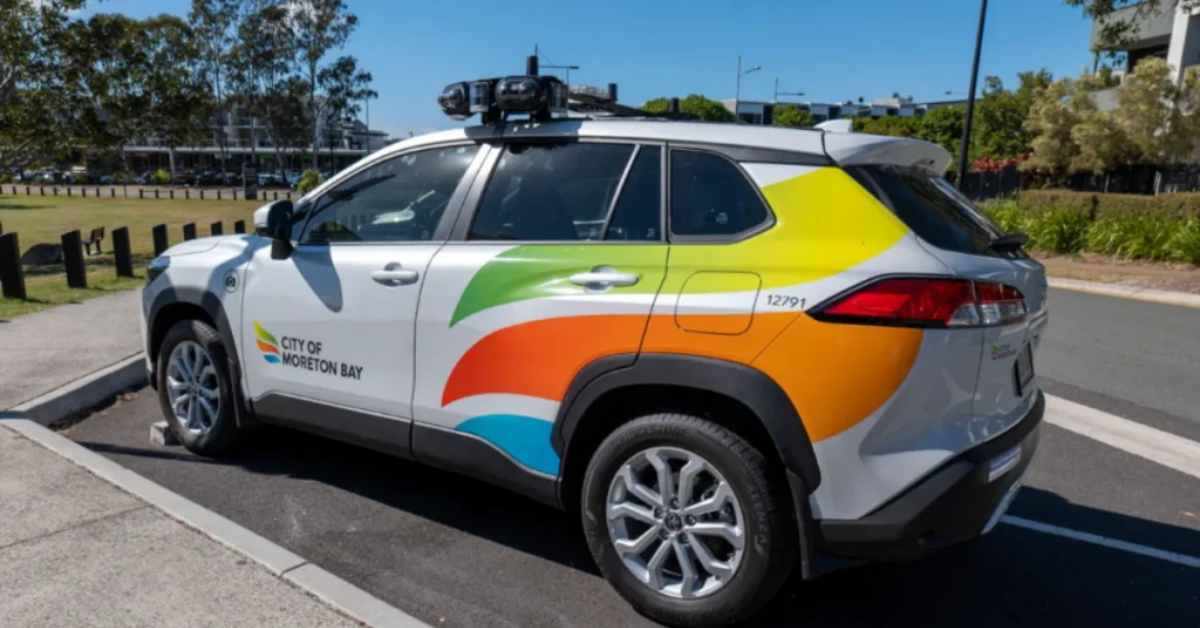
A sophisticated new patrol vehicle is now roaming North Lakes to catch drivers who overstay time limits using automatic number plate recognition and high-resolution cameras.


Starting this week, the council is changing how it monitors local streets to keep traffic moving and help shoppers find a spot. The white patrol car uses GPS and special sensors to scan the area, removing the need for officers to always walk the beat. This new approach targets busy hubs including Caboolture, Redcliffe, Strathpine, and Petrie. While traditional foot patrols will still happen occasionally, this vehicle can cover much more ground in a single shift.

Fair Access for Local Shoppers
patrol
Photo Credit: City of Moreton Ba

The main goal of this technology is to make sure one person does not take up a valuable parking space all day. Local leaders explained that when cars overstay their time limits, it makes it harder for other residents to visit nearby shops and cafes. 

By encouraging a higher turnover of parked cars, the council hopes to give the local economy a boost. They believe that if parking is easier to find, more people will be willing to visit town centres rather than heading elsewhere.

Digital Enforcement and Safety
patrol
Photo Credit: City of Moreton Ba

The way drivers receive fines is also changing with this new system. Instead of finding a paper ticket tucked under a windscreen wiper, the vehicle captures a digital image of the car and the exact time it was spotted. If the data shows the car stayed longer than the signs allow, the information is sent to a council office for a final check. 

Once a human officer confirms the rules were broken, the infringement notice is sent directly to the owner through the post. This method is considered much safer for council staff, as it reduces the chance of face-to-face arguments on the street.


Managing a Growing Community
patrol
Photo Credit: City of Moreton Ba

As more people move into the Moreton Bay region, the demand for road space and parking spots continues to climb. Council representatives noted that the city is growing quickly and needs smarter ways to handle the extra traffic. Using data-driven tools allows the city to manage this growth without needing to build massive new car parks everywhere. The technology is designed to keep the streets accessible and ensure that the rules are applied fairly to everyone across the busiest suburbs.

Published Date 07-April-2026
Deception Bay Club Site Earmarked For 42 Townhouses

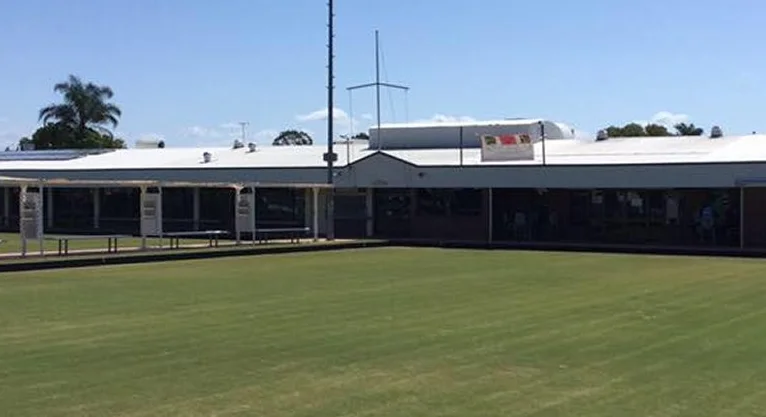
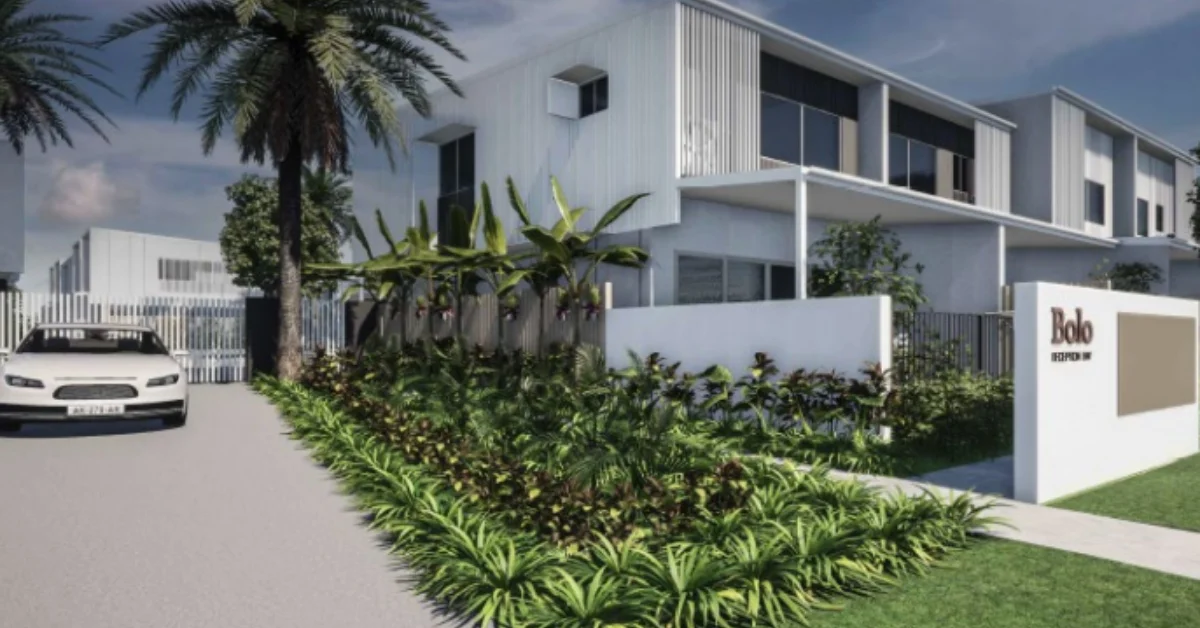
The former Deception Bay Club site is set to make way for 42 townhouses, with plans lodged to Moreton Bay City Council showing two-storey homes, a shared pool and parking spaces on the Bayview Terrace property.


Rezoning Cleared The Path

The redevelopment traces back to November 2024, when development application DA/2024/4711 was lodged. That proposal sought a variation to the city’s planning scheme, asking council to shift the land from recreation use to a General Residential Next Generation Neighbourhood zone. 

Photo Credit: Deception Bay Club

Council supported the change in May 2025, allowing the site to be considered for multiple dwellings, retirement living, and other residential uses. This approval laid the groundwork for the detailed townhouse plan now under assessment.

Details Of The 2025 Application

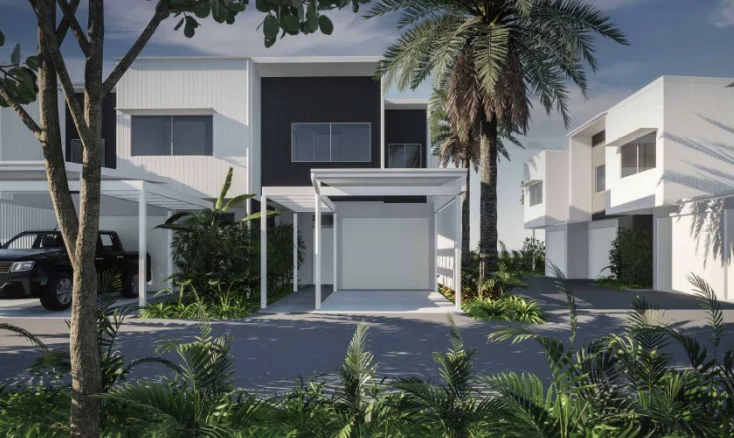
In September 2025, developer Altum submitted a development application DA/2025/4291 seeking approval for 42 townhouses across the 7,592-square-metre block. The design features 13 two-bedroom and 29 three-bedroom townhouses, grouped around a central swimming pool. 

Photo Credit: DA/2025/4291

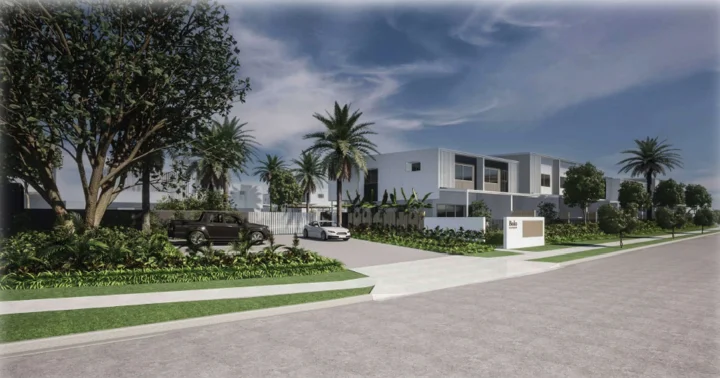
Access would be from Bailey Road at the site’s former car park entry, with 80 parking spaces provided, including visitor spots. Garages are kept internal to reduce the impact on street views, while landscaped buffers ranging from two to four metres are planned along the boundaries.

Community Considerations

The planning report describes a coastal-inspired architectural style with articulated facades to avoid bulk appearance. All units have private outdoor spaces, and windows are oriented towards public areas to encourage natural surveillance. 

Photo Credit: DA/2025/4291

Landscaping includes large shade trees at the entrance and open fencing to balance privacy with neighbourhood integration.

A Site With History

The Deception Bay Bowls Club first opened in the 1970s before becoming the Deception Bay Club. It faced financial difficulties in 2015 and closed, though community volunteers kept the facility active for a time. 


For decades, the land served as a hub for local sport and social activities. Its transition to housing is part of broader growth in the area as demand for residential supply increases.

Published 1-October-2025