



Narangba Flying Fox Colony More Than Doubles as Management Plan Remains Unresolved

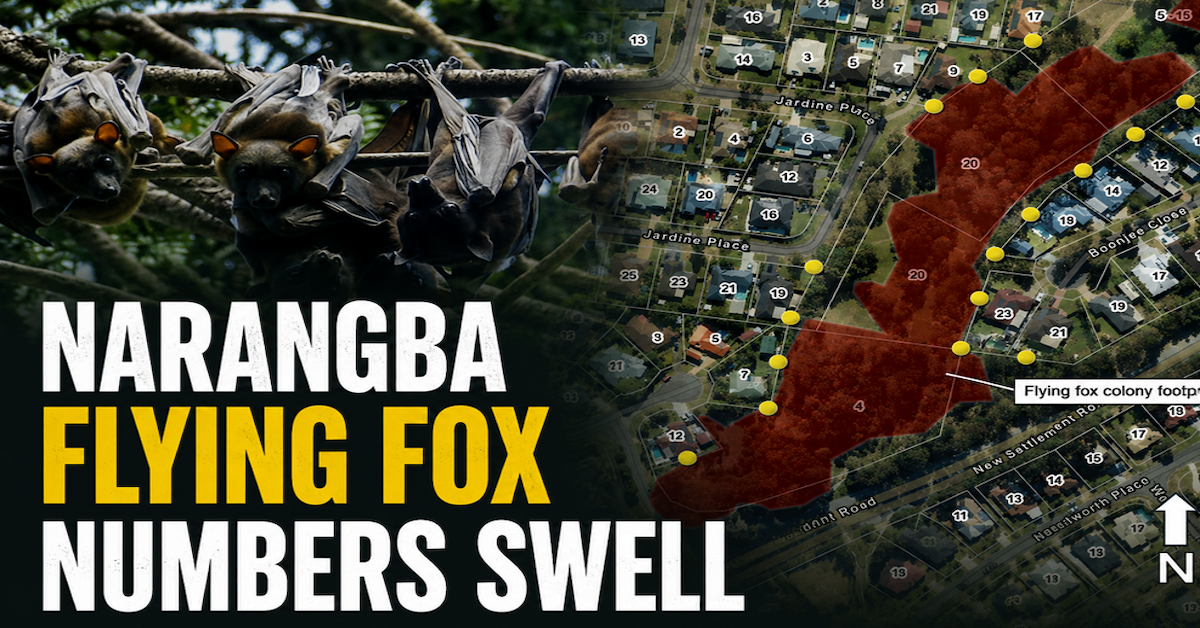
The flying fox colony beside New Settlement Road in Narangba has grown to almost 16,000 animals, more than twice the number recorded in April as Council considers a longer-term approach to managing the roost near homes.


City of Moreton Bay’s latest published count puts the colony at 15,866 flying foxes on 21 July, up from 6,380 on 14 April.

That is an increase of 9,486 animals, or about 149 per cent in just over three months.

The rise comes as the outcome of consultation over a proposed canopy-mounted sprinkler system remains publicly unresolved. Residents were asked about the idea early this year, but Council’s project page still says feedback is being reviewed before a proposed direction is presented to Council.

Numbers Climb Through Autumn and Winter

Council’s monitoring shows the colony growing across each of its four counts from April to July.

There were 6,380 flying foxes recorded on 14 April, rising to 8,316 on 26 May and 12,060 on 22 June. By 21 July, the estimate had reached 15,866.

Most of the increase came from grey-headed flying foxes. Their numbers rose from 3,828 in April to 12,693 in July. Black flying foxes increased more modestly, from 2,552 to 3,173.

No little red flying foxes were recorded at the Narangba roost during those four counts.

The figures are snapshots rather than a fixed population. Flying foxes are highly mobile and numbers at individual roosts can change as animals move between locations.

A Neighbourhood Issue Since 2021

Council says concerns about the New Settlement Road colony have been raised since 2021, particularly around noise, odour and droppings, with active management of the site underway since 2022.

Work to date has included trimming and lopping trees to increase separation between the colony and houses. Trees have also been planted elsewhere within the parkland to encourage roosting farther from homes.

Earlier this year, Council investigated another option: oscillating sprinklers mounted in selected trees along the residential edge of the colony.

The proposed system would periodically spray water into parts of the canopy while flying foxes were present, making those particular trees less attractive for roosting.

Importantly, the proposal was not designed to remove the colony from Narangba. Its purpose was to encourage the animals to shift within the parkland and create more distance between the roost and neighbouring houses.

Sprinkler Proposal Still Awaiting an Outcome

Consultation ran from 12 January to 6 February, with Council publishing its summary report in March.

The results showed 58 per cent of respondents supported or strongly supported increasing the separation between houses and the colony. Among residents living immediately beside the parkland, support was 63 per cent.

Several months later, Council has not published a final decision on whether the sprinkler proposal will proceed.

Its project page says Environmental Services is reviewing the feedback to finalise a proposed direction for the Narangba colony and flying fox management more broadly across the city. That approach is to be presented to Council, with timeframes and next steps to be released after final decisions are made.

The Narangba consultation is now listed among Council’s past environment projects, where it carries a last-update date of 16 April 2026.

There is currently no published indication on the project page that the sprinkler system has been approved or installed.

Increased Separation Needed

The sharp rise in flying fox numbers does not, by itself, indicate whether the proposed management approach would be effective.

Council has made clear that success for the sprinkler system would be measured by increasing the separation between the colony and houses, rather than reducing the number of flying foxes.

For nearby residents, however, the latest count puts a new scale on an issue that has been running for years.


The colony numbered 6,380 in April. By July, Council’s estimate had reached almost 16,000. What remains unclear is whether the sprinkler proposal residents were asked to consider earlier this year will become part of Council’s longer-term response.

Published 31-August-2026
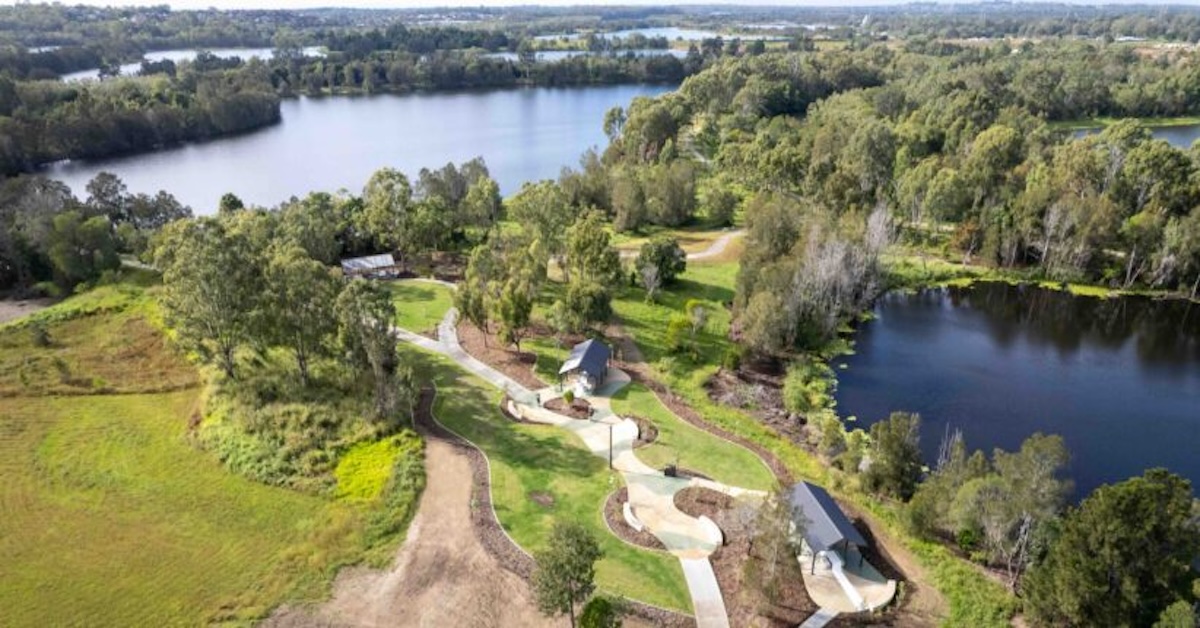
Dog Ban at New Petrie Lakes Walk Draws Criticisms

Pet owners have criticised the ban on dogs at the new Moreton Bay Central Lakes Walk in public comments posted after the City of Moreton Bay announced the project.


The 3km lakefront circuit opened on 20 June at the former Petrie Paper Mill site. The project cost about $6 million. It includes lake-edge paths, picnic shelters, landscaped areas and other public facilities near the North Pine River. However, pet dogs are not permitted in the lakes walk area.

City of Moreton Bay links the restriction to the precinct’s sensitive environmental setting and its wildlife, including koalas, possums and birds.

Dog Owners Question Full Ban

Several people criticised the restriction in public comments posted on social media. Some said they would not use the circuit because they could not bring their dogs. Others said they normally kept their pets on leads and were disappointed that leashed dogs were also excluded.

One commenter described the decision as unfriendly to dog owners. Another said her family would miss out on the new lakes walk despite always keeping their dog on a lead.

The comments suggest the restriction may reduce the circuit’s appeal for households that combine daily exercise with walking their pets.

Council announced the dog-free rule before the circuit opened.

Council Points to Sensitive Wildlife Area

City of Moreton Bay describes the lakes precinct as an environmentally sensitive area that supports koalas, possums, birds and other wildlife. However, the council release did not cite or summarise a specific environmental study supporting the restriction. It also did not explain whether leashed access, designated walking times or dog-friendly sections had been considered.

The discussion raises a broader question about how councils balance wildlife protection with demand for pet-friendly recreation.

City of Moreton Bay provides designated dog parks, beaches and exercise areas across the region. Council rules state that dogs are prohibited from conservation parks, reserves and foreshores unless an area has been designated for dog exercise.

Circuit Forms Part of Larger Petrie Precinct

The lakes walk forms part of Moreton Bay Central, within the wider 460-hectare The Mill at Moreton Bay Priority Development Area.

The precinct includes the University of the Sunshine Coast Moreton Bay campus and the nearby Mill Water Park and Play Space. It will also include the planned Moreton Bay Indoor Sports Centre.

The venue is expected to host events during the Brisbane 2032 Olympic and Paralympic Games. It is also planned to support local sport and community use after the Games.

Mayor Peter Flannery said in June that the walking circuit gave residents an early benefit from development around the future sports centre. He also linked the project to population growth and the need for more public spaces across Moreton Bay.


The online criticism raises the question of whether Council may consider leashed access or review the restriction in future. Clearer information about enforcement and nearby dog-friendly alternatives could also help visitors plan their trips to the precinct.

Published 20-July-2026

Deception Bay Shock As Local Beaches Record Surge In Sick And Dead Turtles

A sudden rise in weak and dead green turtles along the Deception Bay shoreline has alarmed local residents, with at least 19 turtles washing up across the northern end of Moreton Bay in recent weeks. 


Turtles Found In Poor Condition

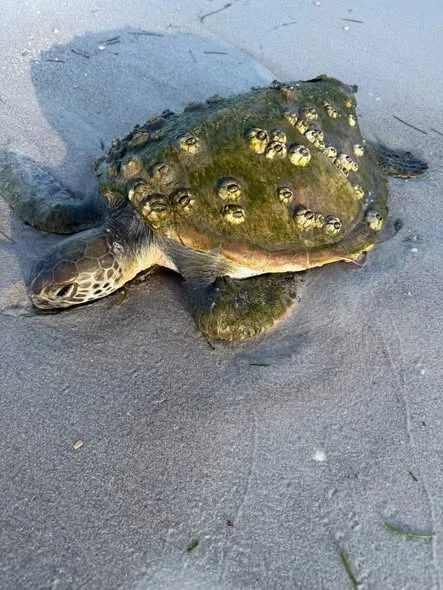
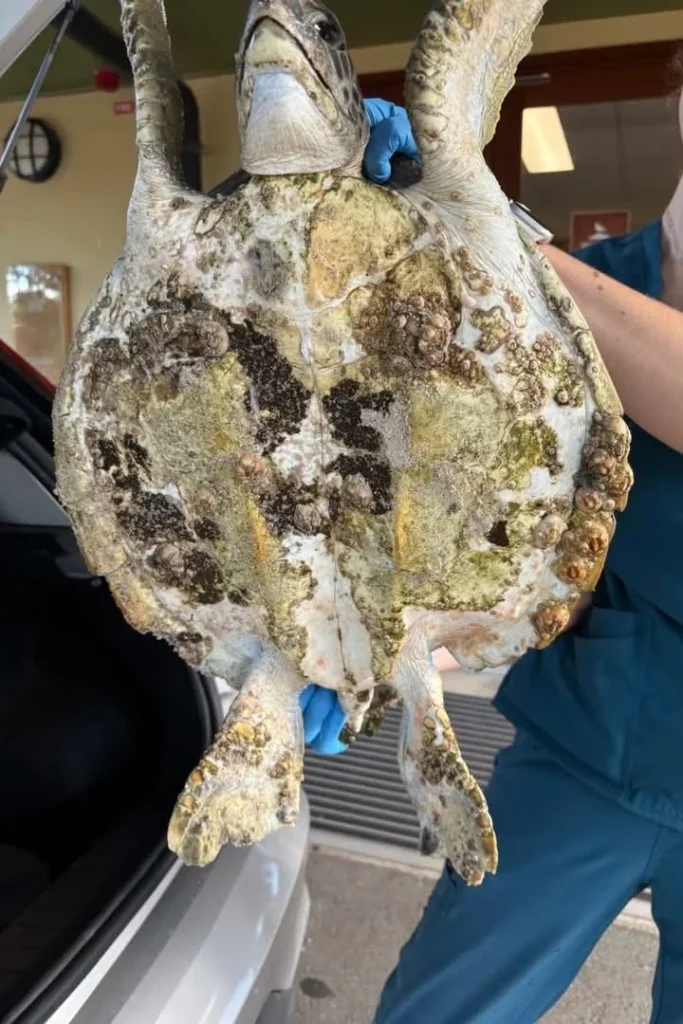
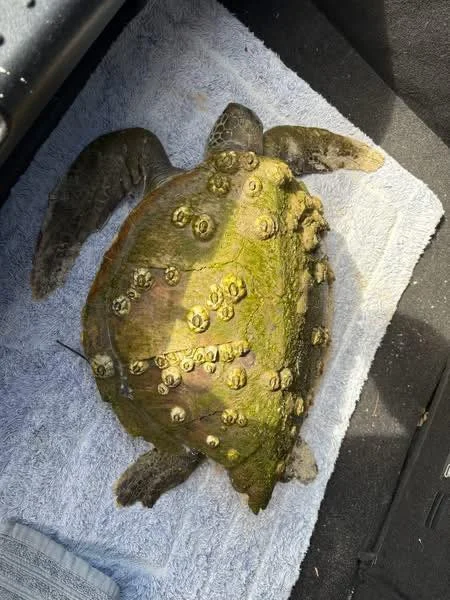
The cases form part of a wider pattern in the bay, where turtles have been arriving on shore with signs of long-term stress and poor health. Recent sightings show many juveniles reaching the shore weak and unable to swim well. Residents reported turtles covered in moss, barnacles and parasites. These signs point to long periods of illness and low strength. 

Photo Credit: Adam Jay-h/Facebook

Other reports across the bay described turtles drifting into beaches or mudflats because they lacked the energy to stay in deeper water. Wildlife teams caring for sick turtles noted similar issues linked to poor condition and reduced access to food after heavy rain and flooding.

Water Quality And Food Loss

Residents and local groups said runoff from recent rainfall lowered water clarity and affected seagrass areas. Seagrass is the main food source for green turtles. When the water becomes too cloudy, less sunlight reaches the seagrass and growth slows. 

Photo Credit: Adam Jay-h/Facebook

Reports from other parts of the region showed that places with healthier seagrass had fewer cases of soft shell and sickness, which highlights the link between habitat quality and turtle health. In Deception Bay, many strandings were recorded during periods of poor water conditions in nearby rivers and creeks.

Human Impacts Also Present

Most turtles showed signs of weakness, although some had injuries from boats or fishing gear. Residents and volunteer rescuers shared photos of cuts, propeller marks and rope impressions. 

Photo Credit: Adam Jay-h/Facebook

These cases added pressure to animals already struggling with low strength and poor habitat conditions.

Community Response

The community in Deception Bay has been quick to report strandings. These reports helped rescue groups locate sick turtles faster and transport the few survivors for treatment. Local groups encouraged residents to keep reporting any animals found on the shore. 


Understanding the timing and location of each case helps track changes in water quality, food supply and weather events. This information guides local efforts to support the long-term recovery of the bay.

Published 10-December-2025