




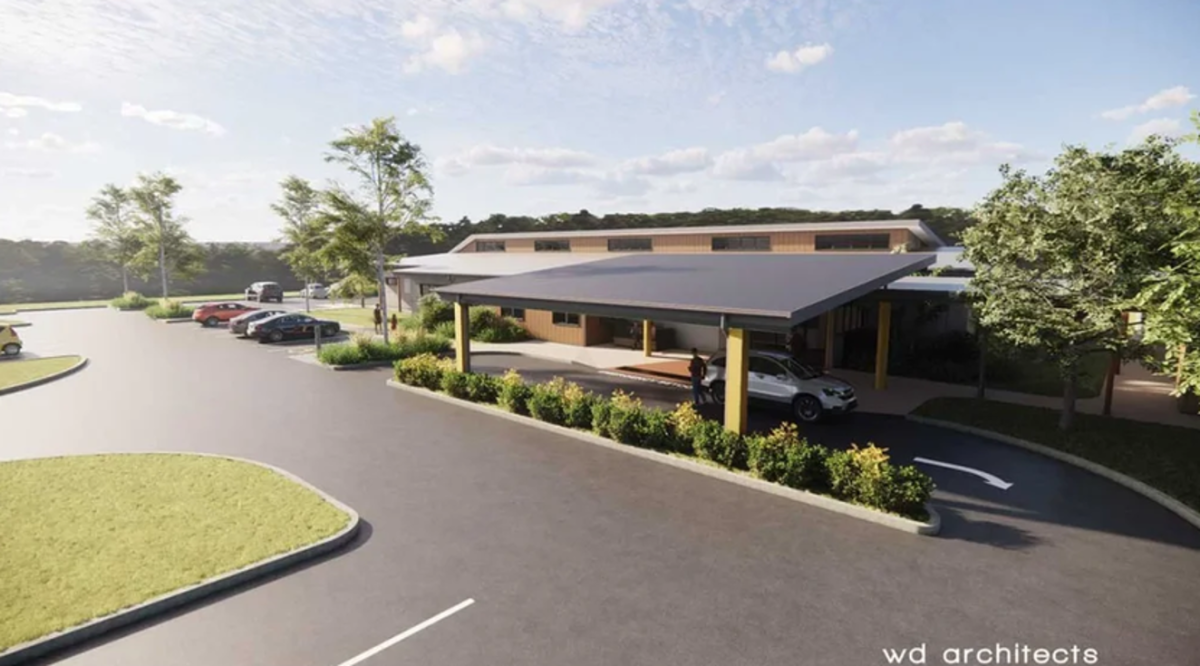
Dakabin Wildlife Hospital Moves Closer to Construction

Plans for Dakabin’s $15 million wildlife hospital have taken another step towards construction, with the first contractor procurement round now closed and site works scheduled to begin before the end of the year.


Expressions of interest from head contractors closed on 4 September for the Moreton Bay Wildlife Hospital at 420 Old Gympie Road.

The process is for construction rather than design, with a restricted construction tender anticipated in October. A builder has not yet been appointed and construction has not started.

City of Moreton Bay expects site preparation to begin in late 2026, ahead of main construction from early 2027. Its 2026–27 Budget also provides for power, water and communications connections at the site.

From Playing Fields to Wildlife Hospital

The hospital will occupy part of the former North Pine Playing Fields, near Boundary Road and the Bruce Highway.

Council considered more than 100 properties before choosing Dakabin, with road access, services, relatively flat terrain and room for future expansion among the factors considered. The land was previously valued at about $3 million.

In October last year, Council granted the Moreton Bay Wildlife Hospital Foundation an initial 10-year community lease over the property for $1 a year. The peppercorn arrangement followed the signing of a $15 million State Government funding agreement for the hospital and education hub.

Then Acting Mayor Jodie Shipway said having the hospital in Moreton Bay would cut the distance injured animals had to travel for emergency treatment.

“This new facility will mean injured wildlife such as koalas, kangaroos and echidnas can be treated locally rather than being driven up to two hours for care at RSPCA in Wacol or Australia Zoo in Beerwah,” she said.

Keeping Treatment Closer to Home

Moreton Bay currently sits between the major wildlife hospitals at Wacol and Beerwah, while the Moreton Bay Wildlife Hospital Foundation estimates more than 7,000 animals leave the region for medical treatment each year.

Foundation director Christine West said when the lease was announced that the Dakabin facility would benefit both injured animals and the people transporting and caring for them.

“The establishment of the Moreton Bay Wildlife Hospital is such a vital step forward, a dedicated local facility that will keep care close to home, reducing transport stress on injured animals and easing the burden on our rescue network,” she said.

The hospital is intended primarily for the triage and treatment of injured and orphaned native wildlife. Animals will be assessed and stabilised at Dakabin, with some later transferred to carers or specialist rehabilitation facilities.

Expected patients include koalas, kangaroos, possums, gliders, birds, bats, snakes and turtles. Domestic and exotic pets will not be treated.

Builder Search Moves Ahead

Plans include specialist clinical and animal-care areas, along with administration and community facilities. Education and training are also part of the longer-term model.

A 24-hour service remains an ambition rather than a confirmed feature from opening, with round-the-clock operations dependent on staffing and funding.

The Foundation, established by local volunteers in 2022, is overseeing development of the project. An appropriately licensed operator is expected to eventually run the hospital’s clinical service.


The EOI process has now closed, with the restricted construction tender anticipated in October. Site preparation remains scheduled for late 2026, ahead of construction from early 2027.

Published 7-September-2026
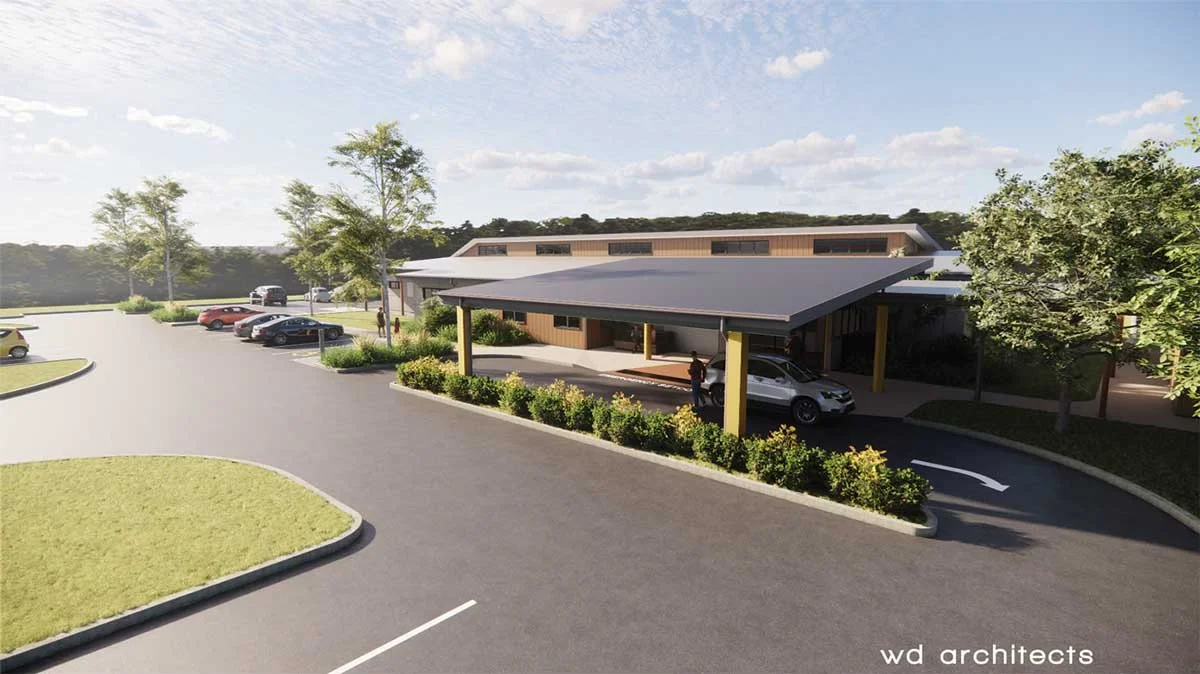
Dakabin to Welcome New Wildlife Hospital Aimed at Saving Local Species

A $15-million wildlife hospital is coming to Dakabin, promising faster treatment for injured native animals and relief for overworked rescue groups across the Moreton Bay region.


The facility, which will include a community education hub, is set to become a vital service for one of Queensland’s most wildlife-dense areas, where koalas and other native species are often at risk from traffic, habitat loss, and disease.

Purpose-Built for the Community and the Environment

The new hospital will be built on land valued at about $3 million at 420 Old Gympie Road in Dakabin, with construction expected to begin once final designs and permits are completed. The location was selected for its accessibility, proximity to bushland corridors, and ability to support a long-term expansion plan. 

According to the Moreton Bay Wildlife Hospital Foundation, the facility will focus solely on native wildlife, providing emergency care and rehabilitation for animals such as koalas, sugar gliders, wallabies, and flying foxes. It will not treat domestic pets, keeping its mission firmly on wildlife conservation.

The new Dakabin hospital forms part of a broader state-wide push to improve wildlife-care capacity across Queensland. Similar projects are being developed in Redlands, Southport, Currumbin, and Green Island, as part of an ongoing investment in wildlife rescue and rehabilitation infrastructure.

Each site is expected to work collaboratively, sharing expertise and resources to ensure that injured and sick animals receive timely, high-quality care.

Photo Credit: Moreton Bay Wildlife Hospital/Facebook

Reducing Travel and Improving Survival Rates

Local carers and wildlife volunteers say the project could not come soon enough. Rescue groups have reported that injured animals often endure long trips — sometimes more than two hours — to reach the nearest veterinary hospital equipped to handle wildlife emergencies. 

These journeys can significantly reduce survival chances, particularly for species prone to stress or shock. The new facility in Dakabin will mean faster intervention, potentially saving thousands of animals each year.

Education Hub to Build Wildlife Awareness

Community leaders and environmental advocates have also praised the inclusion of an education hub, describing it as a crucial bridge between science and the public. The education component will host workshops, school excursions, and volunteer training programs to teach residents how to respond when they find injured wildlife and how to make backyards and roadways safer for native species. The aim is to build a community that not only supports the hospital but actively contributes to preventing harm in the first place.

The hospital’s design will prioritise sustainability, with plans for solar energy, rainwater harvesting, and landscaping that mimics natural habitats. This will create a calm, restorative environment for recovering animals and demonstrate environmentally responsible development for the area. While the design phase is still underway, the facility is expected to include treatment and recovery rooms, triage areas, and outdoor rehabilitation enclosures.

A Regional Effort to Strengthen Wildlife Care

The Moreton Bay region has one of the largest koala populations in Queensland, making it a hotspot for wildlife rescues. However, increasing urban development has led to more frequent encounters between humans and animals, often resulting in road strikes and habitat fragmentation. 

Wildlife groups hope the Dakabin hospital will act as a stabilising force — both for local ecosystems and for the growing network of carers who have worked tirelessly to protect the region’s biodiversity.

While an exact construction timeline has not been finalised, early projections suggest the hospital could be operational within three years. Once complete, it will serve as both a treatment centre and a community hub, offering volunteer placements, training programs, and collaboration opportunities for universities and wildlife researchers.


Local volunteers say the facility will fill a long-standing gap in the region’s animal care network and help build long-term resilience for the area’s environment.

Published 28-Oct-2025

$3 Million Wildlife Hospital Construction Project in Dakabin Addresses Urgent Wildlife Care Needs

To safeguard the region’s unique biodiversity and provide crucial care to native wildlife, a substantial parcel of land in Dakabin has been established for a dedicated wildlife hospital. 


The move comes as a response to the escalating impacts of human population growth on local ecosystems and the urgent need for a specialised care centre for injured and sick animals. The initiative is being spearheaded by the Moreton Bay Wildlife Hospital Foundation, which has already secured $1.5 million for the construction of the facility. 

A comprehensive business case has been meticulously prepared and submitted to the State Government, underlining the pressing requirement for such a facility in the region.

Presently, the absence of a dedicated wildlife hospital, between the RSPCA facility at Wacol and Australia Zoo at Beerwah, has resulted in animals having to endure up to two hours of travel time to receive critical medical care. Mayor Peter Flannery expressed deep concern over this situation, highlighting that Moreton Bay is the primary source of admissions for injured koalas to both RSPCA Wacol and Australia Zoo.

Mayor Flannery underscored the community’s obligation to protect native wildlife and emphasized the need for a comprehensive approach to conservation. 

“Council is as serious about providing housing and infrastructure to accommodate a booming human population, as we are about the need to support our wildlife and wildlife carers,” he said.

He further urged the State Government to provide sustained funding to wildlife rescuers and carers in addition to the efforts being made to map koala habitats.

“This is a moment for tangible action rather than rhetoric. Protecting our natural assets requires financial commitment.”

The Moreton Bay Wildlife Hospital Foundation, driven by a group of dedicated volunteers, has worked diligently to raise the necessary funds for the facility. Council’s provision of the land for the hospital serves as a crucial milestone in their journey to establish this vital institution. 

The hospital’s establishment will considerably reduce travel times for injured animals, enhancing their survival rates while alleviating pressure on carers and rescuers grappling with rising costs. Furthermore, the initiative is expected to have a positive impact on the mental health of those on the front lines of wildlife rescue.

Christine West, a representative from the Moreton Bay Wildlife Hospital, expressed gratitude for the council’s support, calling it a significant step toward providing essential care and rehabilitation for injured wildlife. West emphasized the hospital’s role in ensuring a brighter future for the region’s diverse fauna.


With the establishment of the Moreton Bay Wildlife Hospital on the horizon, the region is taking a significant stride toward safeguarding its wildlife and nurturing a sustainable coexistence between humans and the diverse fauna that call Moreton Bay home.

Published 29-Aug-2023