



This weekend features a range of things to do including live music, comedy, tribute performances and community events. The lineup of weekend events includes touring comedians, local gigs, outdoor festivals and family-friendly activities across venues and open spaces.
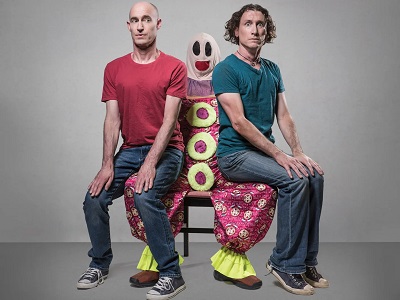
Ross Noble – Cranium of Curiosities
01 May 2026 | Redcliffe Entertainment Centre, Redcliffe Get Tickets
A live comedy show from Ross Noble built around improvisation and audience interaction.
Magic & Mayhem with Paul Andrews
01 May 2026 | Pine Rivers Showgrounds, Lawnton Find out more
A live magic show combining illusion and audience participation in an indoor venue setting.
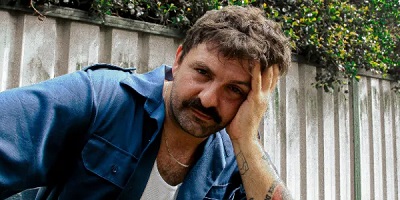
Lisa Hunt
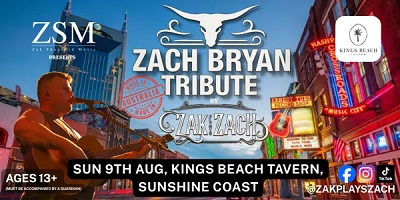
01 May 2026 | Kings Beach Tavern, Kings Beach Get Tickets
A live music performance from Lisa Hunt featuring soul and classic hits.
Kevin Bloody Wilson – Aussie Icon Tour
01 May 2026 | Bribie Island Hotel, Bellara Get Tickets 02 May 2026 | Eatons Hill Hotel – Grand Ballroom, Eatons Hill Get Tickets
A stand-up comedy performance from Kevin Bloody Wilson featuring his well-known songs and humour.
The Peter Allen Show
02 May 2026 | Redcliffe Entertainment Centre, Redcliffe Book Now
A tribute show celebrating the music of Peter Allen with live vocals and storytelling.
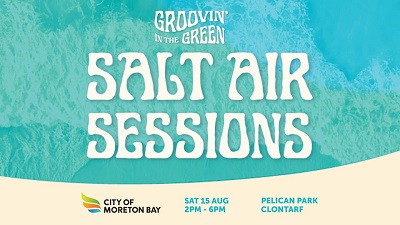
Groovin’ in the Green – Bayside Beats
02 May 2026 | Bicentennial Park, Woody Point Find out more
An outdoor music event featuring local performers in a relaxed park environment.
Thirsty Merc
02 May 2026 | Kings Beach Tavern, Kings Beach Get Tickets
A live performance from Thirsty Merc playing well-known tracks.
The Grogans with Buttermello and Wholesale Noise
02 May 2026 | Norton Music Factory, Caloundra West Get Tickets
An indie rock lineup headlined by The Grogans with supporting acts.
Wild Koala Day
03 May 2026 | St Paul’s School, Bald Hills Find out more
A community event focused on wildlife conservation with activities and educational displays for all ages.
MONSTR: The Best of MTV Unplugged
03 May 2026 | Kings Beach Tavern, Kings Beach Get Tickets
A tribute performance recreating acoustic sets inspired by the MTV Unplugged series.
Gilly’s Boots & Bass Featuring Y.O.G.A.
03 May 2026 | Kings Beach Tavern, Kings Beach Get Tickets
A live music and DJ event blending country and electronic influences in a late weekend session.
This weekend in Moreton Bay includes a mix of live music, comedy and community events across local venues and nearby areas, offering a variety of entertainment and family-friendly activities. Note that some events are located just outside Moreton Bay in neighbouring coastal locations.
From the cliffs of Gallipoli to a super yacht in the Atlantic, the April 26 broadcast unfolded as it so often does — a patchwork of voices, stitched together by memory, distance and the quiet weight of Anzac weekend.
Gallipoli: Trying to Understand the Inexplicable
Calling from the Gallipoli Peninsula, Angela Lathouras wasn’t trying to retell history — she was trying to make sense of it.
Travelling with historians including Professor Sinan Özdemir from Çanakkale University, she described the terrain as something that defies explanation until you see it.
“You just shake your head everywhere you go,” she said.
Standing at Anzac Cove and walking the ridgelines, she spoke about how small the battlefield really is — and how impossible it feels that so many fought and died in such a confined space.
Reading epitaphs in the cemeteries brought it home.
“Angel mark the spot, Mother.”
“Well done, Ted.”
“They’re just… so moving,” she said. “You could sob the whole time.”
It wasn’t her first visit, but this time was different — less about tracing individual stories, more about understanding the broader picture.
“It’s very hard to reconcile the beauty… with what happened there.”
A Stadium, A City, A Moment
From Christchurch, Jason called with a different kind of milestone — the opening of Te Kaha Stadium.
After 15 years without a major venue following the earthquakes, the city finally had its stadium back — and it was packed.
“Full house all weekend,” he said.
Super Rugby returned in force, but for him, the moment was bigger than sport.
“It’s a big thing for Christchurch.”
Closer to home, he also spoke about his son’s school Anzac ceremony — run entirely by the students.
“I was so proud of the little boys and girls.”
Keeping the Country Moving
In southern New South Wales, Kelvin Baxter’s world is measured in kilometres, crops and fuel.
Running a fleet of trucks across Queensland, New South Wales and Victoria, he’s spent decades moving grain, cotton and fertiliser — the quiet logistics behind Australian life.
“We’re quite busy,” he said. “There’s always something moving.”
But rising costs — especially diesel — remain front of mind.
“People talk about electric trucks… we’re a long way from that.”
His Anzac Day, though, is about something else entirely.
Each year, he and a group of locals take restored WWII jeeps through Berrigan, Jerilderie and Finley, carrying veterans who can’t march.
“We load up the old diggers and lead the parade.”
It’s something he’s done for decades — a small act that keeps connection alive.
War, Medicine and Perspective
In studio, hand surgeon and former umpire David Dilley offered a different lens on Gallipoli — the medical one.
“The planning was appalling,” he said, referencing findings from the Dardanelles Commission.
Basic supplies. Limited understanding. Conditions few had ever encountered.
“They had bandages… a bit of chloroform… and not much else.”
He explained how World War I reshaped medicine — from plastic surgery to trauma care — driven by the scale and nature of injuries.
“It was the first war where more died from enemy action than disease.”
The conversation drifted easily between surgery, cricket and history — as it often does — grounded in experience rather than theory.
Australians Abroad: A Different Kind of Move
Wayne didn’t just travel — he left.
Originally from Sydney’s Northern Beaches, he and his partner now live in what is likely Tulum, trading rising costs at home for something simpler.
“Australia’s getting dearer and dearer,” he said. “Everything costs more.”
After years caravanning across Australia, they wanted a new kind of adventure.
“There’s two economies here,” he said. “The tourist one… and the local one. We’re trying to live the local.”
The weather feels familiar — “like North Queensland” — but the lifestyle is still evolving. They’ve bought a place, are settling into a community, and plan to explore more of the country.
For Wayne, it’s less about escape and more about perspective — seeing how life looks somewhere else.
Remembering, Questioning, Reflecting
Emails filled the spaces between calls, adding context and contrast.
A retired CSIRO ecologist pushed back on claims of widespread reef decline, arguing many remain “healthy and actively growing.”
Another listener described visiting war sites across France and Papua New Guinea, noting how strongly Australia’s contribution is remembered overseas.
“In France, the gratitude is very evident,” he wrote.
Further reflections from listeners touched on family histories, lost relatives, and the long shadow of war — stories carried across generations.
From Japan to Borneo: Memory That Travels
Calls from abroad reinforced how far those memories reach.
In Yokohama, Nan described the Commonwealth War Cemetery — where eucalyptus trees mark the Australian section among carefully tended gardens.
In Sandakan, historian Lynette Silver reflected on decades spent guiding families through the legacy of the Sandakan death marches.
“There’s nothing glorious about being a dead soldier,” she said.
Her work continues to bring people back to those places — not for closure, but for understanding.
Poetry and the Everyday Voice
Poet Kate Llewellyn was named Australian All Over’s contributor of the year — a nod to a lifetime of quiet contribution.
“Poetry is about putting something into the world that wasn’t there before,” she said.
Her work, like the program itself, finds meaning in small, everyday observations — the kind that might otherwise go unnoticed.
Mid-Ocean, Still Connected
Then came Charlotte — calling from the middle of the Atlantic.
“I’m halfway through a crossing,” she said. “Day six… no land in sight.”
At 24, the nurse from near Lismore is working aboard a 60-metre super yacht, moving between the Mediterranean and Caribbean.
“It’s awesome… eternal summer.”
The yacht is worth tens of millions. The guests arrive by private jet. But the crossing itself is all crew — long days, open ocean, and routine.
“They look like normal people,” she said of the ultra-wealthy guests. “Just polos… normal.”
She handles medical needs onboard, blending her training with a lifestyle built around travel.
But the reason she called was simple.
“Mum and Dad listen every Sunday.”
So from the middle of the Atlantic, she rang in — just to say hello.
One Conversation at a Time
From Gallipoli to Christchurch, from country highways to open ocean, the program moved without agenda — just people sharing where they are and what they’ve seen.
Stories of war and memory sat alongside everyday life, travel, work and change.
Disclaimer: ‘Australia All Over’ is a program produced and broadcast by the ABC Local Radio Network and hosted by Ian McNamara. Brisbane Suburbs Online News has no affiliation with Ian McNamara, the ABC, or the ‘Australia All Over’ program. This weekly review is an independent summary based on publicly available episodes. All original content and recordings remain the property of the ABC. Our summaries are written in our own words and are intended for commentary and review purposes only. Readers can listen to the full episodes via the official ABC platforms.
From the cliffs of Gallipoli to a super yacht in the Atlantic, the April 26 broadcast unfolded as it so often does — a patchwork of voices, stitched together by memory, distance and the quiet weight of Anzac weekend.
Gallipoli: Trying to Understand the Inexplicable
Calling from the Gallipoli Peninsula, Angela Lathouras wasn’t trying to retell history — she was trying to make sense of it.
Travelling with historians including Professor Sinan Özdemir from Çanakkale University, she described the terrain as something that defies explanation until you see it.
“You just shake your head everywhere you go,” she said.
Standing at Anzac Cove and walking the ridgelines, she spoke about how small the battlefield really is — and how impossible it feels that so many fought and died in such a confined space.
Reading epitaphs in the cemeteries brought it home.
“Angel mark the spot, Mother.”
“Well done, Ted.”
“They’re just… so moving,” she said. “You could sob the whole time.”
It wasn’t her first visit, but this time was different — less about tracing individual stories, more about understanding the broader picture.
“It’s very hard to reconcile the beauty… with what happened there.”
A Stadium, A City, A Moment
From Christchurch, Jason called with a different kind of milestone — the opening of Te Kaha Stadium.
After 15 years without a major venue following the earthquakes, the city finally had its stadium back — and it was packed.
“Full house all weekend,” he said.
Super Rugby returned in force, but for him, the moment was bigger than sport.
“It’s a big thing for Christchurch.”
Closer to home, he also spoke about his son’s school Anzac ceremony — run entirely by the students.
“I was so proud of the little boys and girls.”
Keeping the Country Moving
In southern New South Wales, Kelvin Baxter’s world is measured in kilometres, crops and fuel.
Running a fleet of trucks across Queensland, New South Wales and Victoria, he’s spent decades moving grain, cotton and fertiliser — the quiet logistics behind Australian life.
“We’re quite busy,” he said. “There’s always something moving.”
But rising costs — especially diesel — remain front of mind.
“People talk about electric trucks… we’re a long way from that.”
His Anzac Day, though, is about something else entirely.
Each year, he and a group of locals take restored WWII jeeps through Berrigan, Jerilderie and Finley, carrying veterans who can’t march.
“We load up the old diggers and lead the parade.”
It’s something he’s done for decades — a small act that keeps connection alive.
War, Medicine and Perspective
In studio, hand surgeon and former umpire David Dilley offered a different lens on Gallipoli — the medical one.
“The planning was appalling,” he said, referencing findings from the Dardanelles Commission.
Basic supplies. Limited understanding. Conditions few had ever encountered.
“They had bandages… a bit of chloroform… and not much else.”
He explained how World War I reshaped medicine — from plastic surgery to trauma care — driven by the scale and nature of injuries.
“It was the first war where more died from enemy action than disease.”
The conversation drifted easily between surgery, cricket and history — as it often does — grounded in experience rather than theory.
Australians Abroad: A Different Kind of Move
Wayne didn’t just travel — he left.
Originally from Sydney’s Northern Beaches, he and his partner now live in what is likely Tulum, trading rising costs at home for something simpler.
“Australia’s getting dearer and dearer,” he said. “Everything costs more.”
After years caravanning across Australia, they wanted a new kind of adventure.
“There’s two economies here,” he said. “The tourist one… and the local one. We’re trying to live the local.”
The weather feels familiar — “like North Queensland” — but the lifestyle is still evolving. They’ve bought a place, are settling into a community, and plan to explore more of the country.
For Wayne, it’s less about escape and more about perspective — seeing how life looks somewhere else.
Remembering, Questioning, Reflecting
Emails filled the spaces between calls, adding context and contrast.
A retired CSIRO ecologist pushed back on claims of widespread reef decline, arguing many remain “healthy and actively growing.”
Another listener described visiting war sites across France and Papua New Guinea, noting how strongly Australia’s contribution is remembered overseas.
“In France, the gratitude is very evident,” he wrote.
Further reflections from listeners touched on family histories, lost relatives, and the long shadow of war — stories carried across generations.
From Japan to Borneo: Memory That Travels
Calls from abroad reinforced how far those memories reach.
In Yokohama, Nan described the Commonwealth War Cemetery — where eucalyptus trees mark the Australian section among carefully tended gardens.
In Sandakan, historian Lynette Silver reflected on decades spent guiding families through the legacy of the Sandakan death marches.
“There’s nothing glorious about being a dead soldier,” she said.
Her work continues to bring people back to those places — not for closure, but for understanding.
Poetry and the Everyday Voice
Poet Kate Llewellyn was named Australian All Over’s contributor of the year — a nod to a lifetime of quiet contribution.
“Poetry is about putting something into the world that wasn’t there before,” she said.
Her work, like the program itself, finds meaning in small, everyday observations — the kind that might otherwise go unnoticed.
Mid-Ocean, Still Connected
Then came Charlotte — calling from the middle of the Atlantic.
“I’m halfway through a crossing,” she said. “Day six… no land in sight.”
At 24, the nurse from near Lismore is working aboard a 60-metre super yacht, moving between the Mediterranean and Caribbean.
“It’s awesome… eternal summer.”
The yacht is worth tens of millions. The guests arrive by private jet. But the crossing itself is all crew — long days, open ocean, and routine.
“They look like normal people,” she said of the ultra-wealthy guests. “Just polos… normal.”
She handles medical needs onboard, blending her training with a lifestyle built around travel.
But the reason she called was simple.
“Mum and Dad listen every Sunday.”
So from the middle of the Atlantic, she rang in — just to say hello.
One Conversation at a Time
From Gallipoli to Christchurch, from country highways to open ocean, the program moved without agenda — just people sharing where they are and what they’ve seen.
Stories of war and memory sat alongside everyday life, travel, work and change.
Disclaimer: ‘Australia All Over’ is a program produced and broadcast by the ABC Local Radio Network and hosted by Ian McNamara. Brisbane Suburbs Online News has no affiliation with Ian McNamara, the ABC, or the ‘Australia All Over’ program. This weekly review is an independent summary based on publicly available episodes. All original content and recordings remain the property of the ABC. Our summaries are written in our own words and are intended for commentary and review purposes only. Readers can listen to the full episodes via the official ABC platforms.
From the cliffs of Gallipoli to a super yacht in the Atlantic, the April 26 broadcast unfolded as it so often does — a patchwork of voices, stitched together by memory, distance and the quiet weight of Anzac weekend.
Gallipoli: Trying to Understand the Inexplicable
Calling from the Gallipoli Peninsula, Angela Lathouras wasn’t trying to retell history — she was trying to make sense of it.
Travelling with historians including Professor Sinan Özdemir from Çanakkale University, she described the terrain as something that defies explanation until you see it.
“You just shake your head everywhere you go,” she said.
Standing at Anzac Cove and walking the ridgelines, she spoke about how small the battlefield really is — and how impossible it feels that so many fought and died in such a confined space.
Reading epitaphs in the cemeteries brought it home.
“Angel mark the spot, Mother.”
“Well done, Ted.”
“They’re just… so moving,” she said. “You could sob the whole time.”
It wasn’t her first visit, but this time was different — less about tracing individual stories, more about understanding the broader picture.
“It’s very hard to reconcile the beauty… with what happened there.”
A Stadium, A City, A Moment
From Christchurch, Jason called with a different kind of milestone — the opening of Te Kaha Stadium.
After 15 years without a major venue following the earthquakes, the city finally had its stadium back — and it was packed.
“Full house all weekend,” he said.
Super Rugby returned in force, but for him, the moment was bigger than sport.
“It’s a big thing for Christchurch.”
Closer to home, he also spoke about his son’s school Anzac ceremony — run entirely by the students.
“I was so proud of the little boys and girls.”
Keeping the Country Moving
In southern New South Wales, Kelvin Baxter’s world is measured in kilometres, crops and fuel.
Running a fleet of trucks across Queensland, New South Wales and Victoria, he’s spent decades moving grain, cotton and fertiliser — the quiet logistics behind Australian life.
“We’re quite busy,” he said. “There’s always something moving.”
But rising costs — especially diesel — remain front of mind.
“People talk about electric trucks… we’re a long way from that.”
His Anzac Day, though, is about something else entirely.
Each year, he and a group of locals take restored WWII jeeps through Berrigan, Jerilderie and Finley, carrying veterans who can’t march.
“We load up the old diggers and lead the parade.”
It’s something he’s done for decades — a small act that keeps connection alive.
War, Medicine and Perspective
In studio, hand surgeon and former umpire David Dilley offered a different lens on Gallipoli — the medical one.
“The planning was appalling,” he said, referencing findings from the Dardanelles Commission.
Basic supplies. Limited understanding. Conditions few had ever encountered.
“They had bandages… a bit of chloroform… and not much else.”
He explained how World War I reshaped medicine — from plastic surgery to trauma care — driven by the scale and nature of injuries.
“It was the first war where more died from enemy action than disease.”
The conversation drifted easily between surgery, cricket and history — as it often does — grounded in experience rather than theory.
Australians Abroad: A Different Kind of Move
Wayne didn’t just travel — he left.
Originally from Sydney’s Northern Beaches, he and his partner now live in what is likely Tulum, trading rising costs at home for something simpler.
“Australia’s getting dearer and dearer,” he said. “Everything costs more.”
After years caravanning across Australia, they wanted a new kind of adventure.
“There’s two economies here,” he said. “The tourist one… and the local one. We’re trying to live the local.”
The weather feels familiar — “like North Queensland” — but the lifestyle is still evolving. They’ve bought a place, are settling into a community, and plan to explore more of the country.
For Wayne, it’s less about escape and more about perspective — seeing how life looks somewhere else.
Remembering, Questioning, Reflecting
Emails filled the spaces between calls, adding context and contrast.
A retired CSIRO ecologist pushed back on claims of widespread reef decline, arguing many remain “healthy and actively growing.”
Another listener described visiting war sites across France and Papua New Guinea, noting how strongly Australia’s contribution is remembered overseas.
“In France, the gratitude is very evident,” he wrote.
Further reflections from listeners touched on family histories, lost relatives, and the long shadow of war — stories carried across generations.
From Japan to Borneo: Memory That Travels
Calls from abroad reinforced how far those memories reach.
In Yokohama, Nan described the Commonwealth War Cemetery — where eucalyptus trees mark the Australian section among carefully tended gardens.
In Sandakan, historian Lynette Silver reflected on decades spent guiding families through the legacy of the Sandakan death marches.
“There’s nothing glorious about being a dead soldier,” she said.
Her work continues to bring people back to those places — not for closure, but for understanding.
Poetry and the Everyday Voice
Poet Kate Llewellyn was named Australian All Over’s contributor of the year — a nod to a lifetime of quiet contribution.
“Poetry is about putting something into the world that wasn’t there before,” she said.
Her work, like the program itself, finds meaning in small, everyday observations — the kind that might otherwise go unnoticed.
Mid-Ocean, Still Connected
Then came Charlotte — calling from the middle of the Atlantic.
“I’m halfway through a crossing,” she said. “Day six… no land in sight.”
At 24, the nurse from near Lismore is working aboard a 60-metre super yacht, moving between the Mediterranean and Caribbean.
“It’s awesome… eternal summer.”
The yacht is worth tens of millions. The guests arrive by private jet. But the crossing itself is all crew — long days, open ocean, and routine.
“They look like normal people,” she said of the ultra-wealthy guests. “Just polos… normal.”
She handles medical needs onboard, blending her training with a lifestyle built around travel.
But the reason she called was simple.
“Mum and Dad listen every Sunday.”
So from the middle of the Atlantic, she rang in — just to say hello.
Harness Racing, Pride and a Christchurch Crossover
Back in Christchurch, Jason slipped in another moment that captured the spirit of the show — where sport, pride and everyday achievement intersect.
He pointed to Brittany Graham, a Queenslander now working in New Zealand racing, who had just pulled off something rare.
“She was presenting… then jumped in the sulky, drove her own horse — and won.”
It wasn’t a feature race — just a meet at Allington Raceway — but the image stuck. From sideline presenter to driver in a matter of minutes.
“She does a lot for racing over here,” he said. “She’s an amazing young lady.”
A small moment, but one that fit the morning — Australians abroad, quietly making their mark.
Trucks, Towns and the Long Way Round
Kelvin Baxter’s call didn’t stop at fuel and freight — it stretched into something bigger.
He spoke about taking part in “Crawling the Hume,” a convoy of more than 300 restored trucks travelling the old highway route through towns long bypassed by the freeway.
Starting near Wallan and winding through places like Broadford, Kilmore and Wangaratta before finishing near Albury, the convoy turned the old road back into a main street, if only for a day.
“People were sitting in camp chairs… cheering us on,” he said.
“They were so pleased to see us come through.”
For towns that once lived off that passing traffic, it was more than nostalgia — it was a reminder they hadn’t been forgotten.
War Stories Carried Through Generations
Among the emails, one stood out for its detail and weight.
A listener shared the story of two brothers — both pilots in World War II, but with very different outcomes.
One survived being shot down over Germany, captured and held as a prisoner of war for years.
The other did not return.
His aircraft, unable to make it back to base, was deliberately steered away from a village in France before crashing — killing all on board but sparing those on the ground.
Decades later, that village still holds a ceremony each year in their memory — a quiet act of gratitude carried on by people who never met them.
Coral, Perspective and Pushing Back
Not every contribution leaned into reflection — some pushed back.
A retired CSIRO ecologist wrote in to challenge claims about dying reefs.
“The majority of reefs I’ve seen are healthy and actively growing,” he said.
He acknowledged localised damage — storms, cyclones, patches of decline — but warned against sweeping statements that miss the bigger picture.
“Reports need context.”
In a morning built on lived experience, it was a reminder that perspective can shift depending on where — and how closely — you look.
War Cemeteries and the Weight of Place
The discussion around remembrance extended beyond Gallipoli.
Listeners spoke about cemeteries across the world — from Villers-Bretonneux to Port Moresby — where Australian stories are preserved far from home.
At places like Labuan War Cemetery, rows of headstones — many unnamed — carry the same inscription:
“Known unto God.”
Walking those rows, some reflected, gives a clearer sense of scale than any history book — line after line, name after name, and sometimes none at all.
“They were united while they were alive… and they’re united still.”
One Conversation at a Time
From Gallipoli to Christchurch, from country highways to open ocean, the program moved without agenda — just people sharing where they are and what they’ve seen.
Stories of war and memory sat alongside everyday life, travel, work and change.
Disclaimer: ‘Australia All Over’ is a program produced and broadcast by the ABC Local Radio Network and hosted by Ian McNamara. Brisbane Suburbs Online News has no affiliation with Ian McNamara, the ABC, or the ‘Australia All Over’ program. This weekly review is an independent summary based on publicly available episodes. All original content and recordings remain the property of the ABC. Our summaries are written in our own words and are intended for commentary and review purposes only. Readers can listen to the full episodes via the official ABC platforms.
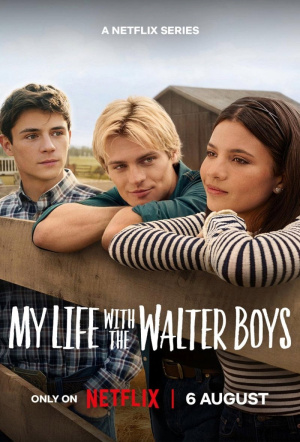
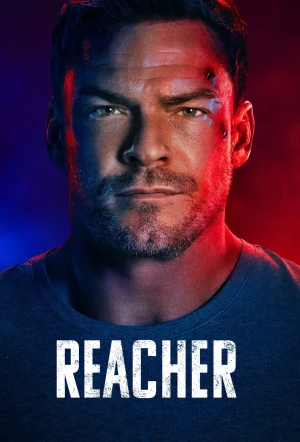
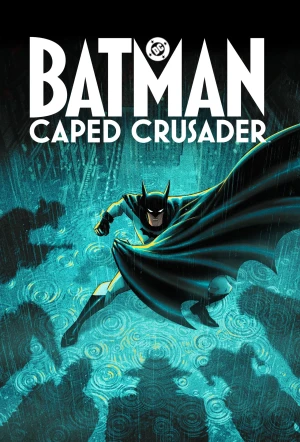
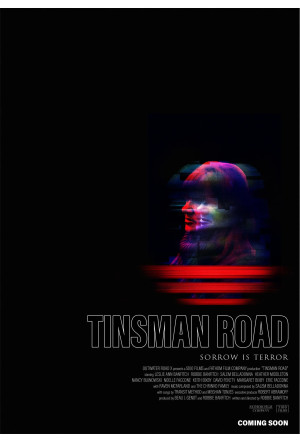
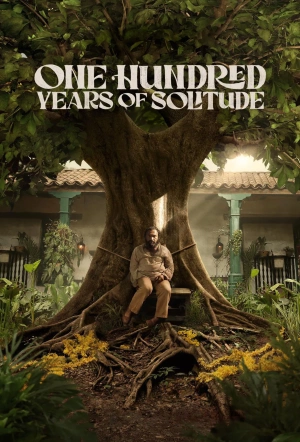
A strong mix of sci-fi, drama, comedy and returning favourites is landing on streaming platforms, with things to watch including high-stakes thrillers, franchise expansions and character-driven series across major services.
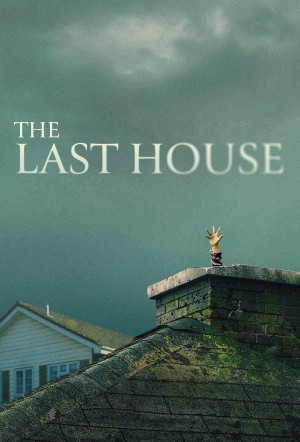
A survival thriller set in the wilderness, where a deadly pursuit turns a remote expedition into a high-stakes fight for survival.
My Brother the Minotaur: Season 1
25 April 2026 | Apple TV+ Watch here A fantasy-driven series blending mythology and family dynamics, following an unusual story of identity and belonging.
The action-drama continues with new investigations and high-risk missions, following a skilled tracker solving complex cases.
From major franchise expansions and survival thrillers to comedy and drama series, the week’s streaming lineup offers a diverse mix of genres and viewing options across multiple platforms.
A mix of new releases and returning favourites is screening across cinemas, with things to do including blockbuster entertainment, family-friendly films, sci-fi adventures and character-driven dramas offering a varied cinematic lineup.
NEW RELEASES
Beast
23 April 2026 | HOYTS (Redcliffe)
A survival thriller centred on a high-stakes encounter with a dangerous predator, blending tension, action and emotional stakes.
The Devil Wears Prada 2
29 April 2026 | Event Cinemas (North Lakes, Strathpine), HOYTS (Redcliffe), Limelight Cinemas (Morayfield)
The sequel revisits the fast-paced fashion world, exploring ambition, rivalry and evolving relationships within a high-pressure industry.
STILL SHOWING
Fuze
Event Cinemas (North Lakes, Strathpine), HOYTS (Redcliffe), Limelight Cinemas (Morayfield)
An action-focused film combining suspense and fast-moving sequences, centred on conflict and shifting alliances.
GOAT
Event Cinemas (North Lakes, Strathpine), HOYTS (Redcliffe), Limelight Cinemas (Morayfield)
A sports drama exploring ambition and competition, following personal challenges and growth within a high-stakes environment.
Hoppers
Event Cinemas (North Lakes, Strathpine), HOYTS (Redcliffe), Limelight Cinemas (Morayfield)
A light-hearted story blending humour and adventure, following an unexpected journey with a mix of quirky characters.
Lee Cronin’s The Mummy
Event Cinemas (North Lakes, Strathpine), HOYTS (Redcliffe), Limelight Cinemas (Morayfield)
A modern horror reimagining that builds tension through atmosphere, supernatural elements and suspenseful storytelling.
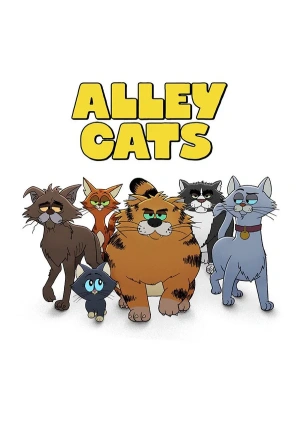
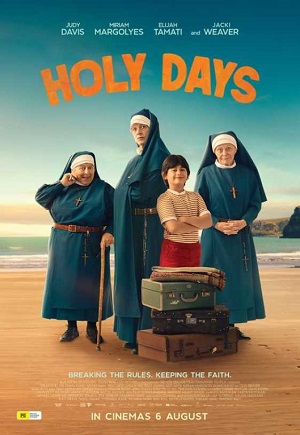
An animated adventure featuring familiar characters on a new journey, combining action, humour and family-friendly storytelling.
You, Me & Tuscany
Event Cinemas (North Lakes, Strathpine), HOYTS (Redcliffe)
A romantic drama set against scenic backdrops, focusing on relationships, personal growth and emotional journeys.
From major new releases to family favourites and sci-fi adventures, the cinema lineup across Moreton Bay offers a mix of genres and viewing options for a wide range of audiences.
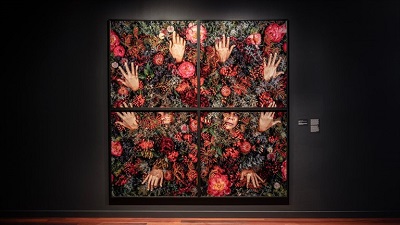
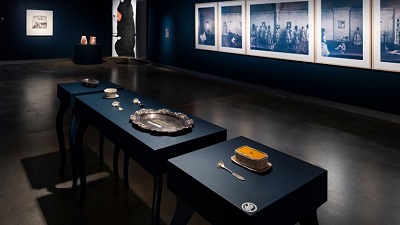
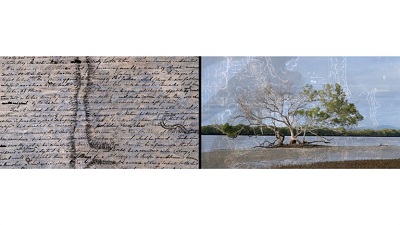
A range of exhibitions, workshops and live performances is available, with things to do including gallery showcases, creative programs, music events and cultural experiences across museums, libraries and arts venues.
Out on the Town
15 November 2025 – 10 May 2026 | Pine Rivers Heritage Museum, Whiteside Find out more
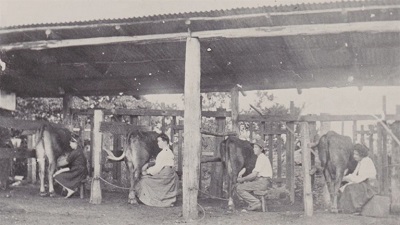
An exhibition exploring social life and community connections through historical displays and local stories.
Changemakers: Crafting a Difference
4 February – 17 May 2026 | Pine Rivers Heritage Museum, Whiteside Find out more
A showcase highlighting individuals and groups making an impact through craft, design and community initiatives.
The Collective Memories of a Seaside Village
14 February – 31 May 2026 | Bribie Island Seaside Museum, Bongaree Find out more
An exhibition reflecting on the shared history and evolving identity of a coastal community through archival material and storytelling.
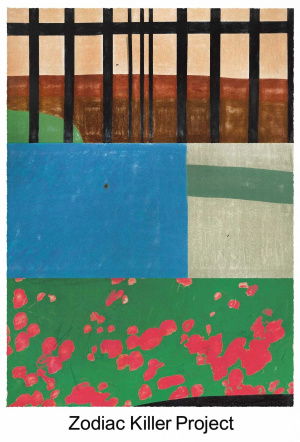
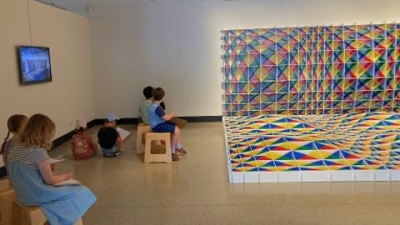
How Soon Is Now?
21 February – 2 May 2026 | Redcliffe Art Gallery, Redcliffe Find out more
A contemporary exhibition examining themes of time, change and perception through a range of artistic practices.
Harvest
28 February – 17 May 2026 | Redcliffe Museum, Redcliffe Find out more
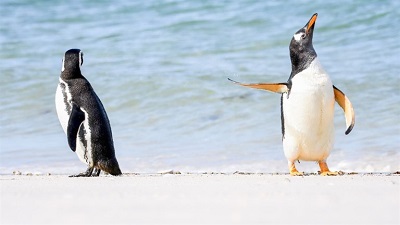
An exhibition exploring agricultural traditions and seasonal cycles, highlighting local history and food production.
Art in Libraries – Legends of Caboolture: Scratching the Surface
2 March – 30 April 2026 | Albany Creek Library, Albany Creek Find out more
A community-focused exhibition sharing local stories and creative interpretations connected to the Caboolture region.
We Hunt Mammoth
7 March – 23 May 2026 | Pine Rivers Art Gallery, Strathpine Find out more
A contemporary exhibition presenting innovative works that explore storytelling, identity and creative experimentation.
New School of the Living and the Dead
14 March – 6 June 2026 | Redcliffe Art Gallery, Redcliffe Find out more
An exhibition combining conceptual and visual art practices to explore themes of life, memory and transformation.
Like Yesterday
28 March – 13 June 2026 | Caboolture Regional Art Gallery, Caboolture Find out more

A visual art exhibition reflecting on memory, nostalgia and personal history through contemporary works.
Celebrating The Journey
15 April – 10 May 2026 | The Old Fire Station Gallery, Redcliffe Find out more
An exhibition highlighting artistic development and creative journeys through a collection of works by local artists.
Audition Notice Shadow Academy (A New Musical)
24 April 2026 | Dayboro Meeting Hub, Dayboro Find out more
An audition opportunity for a new musical production, inviting performers to participate in an upcoming stage project.
Andrew Farrell The Piano Wizard
24 April 2026 | Jumping Goats Bar, Margate Get Tickets
A live piano performance featuring a mix of classical, contemporary and entertainment pieces in an intimate setting.
Intro to Guitar
24 April 2026 | Library+ Caloundra, Caloundra Book Now
A beginner-friendly workshop introducing basic guitar techniques and foundational skills for new learners.
Polymer Clay Earrings Workshop with Robin Jensen
26 April 2026 | Bribie Island Community Arts Centre, Banksia Beach Book Now
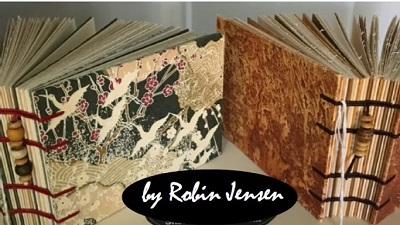
A hands-on workshop teaching participants how to design and create custom polymer clay earrings.
Paul Tabone Salutes Andrea Bocelli
26 April 2026 | Maleny Community Centre, Maleny Get Tickets
A tribute performance celebrating the music of Andrea Bocelli, featuring operatic and classical crossover pieces.
A broad selection of exhibitions, creative workshops and live performances is available across Moreton Bay, with options spanning visual arts, music and community-based cultural experiences.
A mix of family-friendly exhibitions, markets, live entertainment and school holiday activities is available, with things to do including interactive museum experiences, outdoor events and workshops for children and families.
Imaginariums
1 November 2025 – 3 May 2026: Playback Imaginarium | Pine Rivers Heritage Museum, Whiteside 6 December 2025 – 6 June 2026: The Barn | Redcliffe Museum, Redcliffe 19 December 2025 – 31 May 2026: Beneath the Blue: Secrets of the Sea | Bribie Island Seaside Museum, Bongaree Find out more
An interactive exhibition focused on marine environments, encouraging children to explore ocean life through play and discovery.
Circus Rio
22 & 26 April 2026 | Caboolture Showgrounds, Caboolture Get Tickets
A travelling circus featuring acrobatics, performances and family-friendly entertainment under the big top.
Art Teens | Soft Sculpture
24 April 2026 | Caboolture Regional Art Gallery, Caboolture Book Now
A creative workshop for teens exploring soft sculpture techniques using fabric and mixed materials.
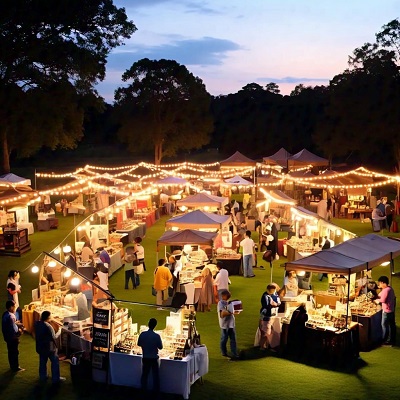
Caloundra Twilight Market
24 & 26 April 2026 | Bulcock St, Caloundra Find out more
An outdoor market featuring street food, local stalls and live entertainment in a relaxed evening setting.
Snake Boss Reptile Show
25 April 2026 | Albany Creek Tavern, Albany Creek Get Tickets
A live reptile show introducing a range of species, offering an educational and interactive experience for families.
Groovin’ in the Green: Music & Arts
26 April 2026 | Lakeview Park, Mango Hill Find out more
A community event combining live music, arts and outdoor activities in a relaxed park environment suitable for families.
Free Family Zumba for Everyone
26 April – 31 May 2026 | Burpengary Community Hall, Burpengary Find out more
A group fitness session designed for families, offering an inclusive and active experience through guided Zumba classes.
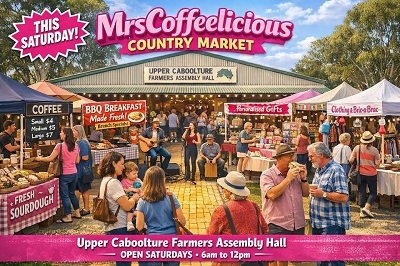
Redcliffe Markets
Every Sunday | Redcliffe Parade, Redcliffe Find out more
A popular coastal market featuring food vendors, artisan stalls and a family-friendly atmosphere.
A range of family activities is available across Moreton Bay, including exhibitions, markets, workshops and live performances suitable for different age groups and interests.
This weekend features a mix of live music, ANZAC Day commemorations and outdoor community events, with things to do including concerts, acoustic sets and family-friendly gatherings across venues and open spaces.
Blues and roots artist 8 Ball Aitken performs live, delivering a mix of slide guitar, storytelling and laid-back rhythms in an intimate setting.
James Reyne | Fall of Crawl
24 April 2026 | The Kings Theatre, The Events Centre, Caloundra Get Tickets
James Reyne brings his Fall of Crawl tour to the stage, featuring well-known tracks from his career along with live band performance.
Rollerball – Operation Hot One 2026
24 April 2026 | Norton Music Factory, Caloundra West Get Tickets
A high-energy live music event featuring heavy rock performances and a strong local lineup in a dedicated live venue space.
ANZAC Day 2026
25 April 2026 | Caloundra RSL, Caloundra Find out more
25 April 2026 | Sandstone Point Hotel, Sandstone Point Find out more
25 April 2026 | Mango Hill Tavern, Mango Hill Find out more
A commemorative event recognising ANZAC Day with services and community participation in a traditional setting.
Nathan Pursey Solo Acoustic
25 April 2026 | Albany Creek Tavern, Albany Creek Get Tickets
Nathan Pursey performs an acoustic set featuring a mix of covers and original songs in a casual live setting.
Groovin’ in the Green: Music & Arts
26 April 2026 | Lakeview Park, Mango Hill Find out more
An outdoor community event combining live music, arts and a relaxed park setting suitable for families and local audiences.
This weekend brings together live music, community commemorations and outdoor events across Moreton Bay, with a mix of performances and gatherings across Caloundra, Mango Hill and surrounding areas.
From ocean swims to Anzac candles: A morning of quiet rituals, long roads and deeper reflection
Before sunrise, people were already in motion — in the water, on the road, out on verandas or preparing for the day ahead. That’s the shape of a Macca morning: small moments, told simply, that add up to something bigger about how people live and what they hold onto.
Cold water, clear heads
On the Central Coast, Nader was preparing to swim from Maitland Bay to Kilcare — about three and a half kilometres.
“It’s about three and a half kilometres,” he said, as if it were nothing.
But it’s part of a much bigger series — nine legs stretching to around 40 kilometres. Early starts, 12-degree air, 21-degree water. For him, it’s routine.
“It’s just so good for our mental health… everyone should get into it.”
Swimming, as Macca pointed out, has a way of simplifying things. No noise, no clutter. Just movement and breath.
Dawn’s call from Batemans Bay carried more weight.
What began with 300 candles after a visit to Gallipoli has grown to more than 1,300 at Wimbee Beach. Hundreds gather before dawn.
“And the candles just light up the entire foreshore.”
A bagpiper, Jamie Wright, plays from a rocky outcrop. The Ode is shared between an Australian and a New Zealander. Surfboats row in and raise their oars during the Last Post.
But it’s the silence that defines it.
“You can hear a pin drop… there wasn’t a dry eye.”
This year, the message will again be spelled out in candles: Lest We Forget.
Pickleball’s surge
In Blacktown, Gary was heading to the NSW Pickleball Championships.
“We’ve had 1,100 competitors.”
The sport — a mix of tennis, badminton and table tennis — is booming, especially post-COVID. All ages, all backgrounds.
Mixed doubles day brings its own pressure.
“A lot of married couples play together… test the relationship.”
No prize money. Just medals, bragging rights, and a growing community.
A veranda, frost and horses
In the Southern Highlands, Andrew started with a quiet image — a cold morning near Mittagong, mist settling over the valley.
From there, his story stretched wider. Sheep and cattle in New England. Horses from childhood. A family tied to the Australian Stock Horse world.
When asked about campdrafting, he broke it down carefully — separating a beast from the mob, controlling it, then guiding it through a course.
“You show the skill of the horse and the rider… then call for the gate.”
It’s demanding work.
“It is exhausting… but it’s good fun.”
Fuel, freight and hard numbers
For Joel Lydgate, the focus was cost.
“We’re looking at $850 to $1,000 extra… just in fuel.”
That’s per trip.
Fuel has surged sharply — at one point up more than 50 per cent, by his account — and it can’t be absorbed.
“Someone’s got to pay it eventually.”
He reflected on a drought run into the Pilliga, hauling hay when it was needed most.
“If it was diesel prices now… we wouldn’t have done it.”
That’s the shift — goodwill meets reality.
Back in the water — and a confronting return
From Fiji, Kieran Kelly’s call was one of the longest — and most reflective.
After more than 30 years away from diving, he returned expecting familiarity.
“I was stunned.”
He described reefs that felt emptier than he remembered — coral still there in structure, but with less colour and movement.
“All the little houses are still there, but there’s no one in them.”
In his view, the difference was hard to ignore. At the same time, Fiji itself has changed. Once basic and remote — “sleeping in a grass hut, eating bananas and coconuts” — it’s now built around tourism, with constant movement of boats and people.
“The very thing that attracts people… ends up spoiling it.”
Not a conclusion, just an observation from someone returning after decades away.
Signwriting, skill and doing it by hand
On Bruny Island, Rod was preparing for a job he’s done for decades — painting Lest We Forget across AFL grounds in Hobart.
“I don’t use any AI… it’s all done the old-fashioned way.”
String lines, measurements, steady hands. Letters up to 30 metres long.
It takes about four hours, most of that in preparation.
What stood out most — he’s dyslexic.
“You really do have to think about what you’re doing.”
After 50 years, this will be his last.
“It’s a privilege.”
River mornings
In Echuca, Richard was watching the paddle steamers come to life.
“Just watching the smoke start to come out of the boats.”
The Murray is low, a bit dirty — something you notice when you’ve spent your life on it. It takes years to earn a licence, but the river itself teaches more than anything else.
Heavy loads, long days
In South Australia, Kim was hauling copper concentrate in triple road trains — about 138 tonnes per load, two runs a day.

“Pretty good, actually… still busy.”
Like others, he turned to Anzac Day — a moment that cuts through routine.
Roads, floods and keeping Australia moving
On the NT highways, another driver painted a rougher picture after recent flooding.
“The potholes… you could park a Mini Minor in them.”
Sections of road have been torn up, but crews have kept traffic moving.
“The effort they put in… unbelievable.”
Even so, the country is alive — grass high, ranges green, the landscape pushing back after the water.
Old maps and letting go of a life’s work
When Mehmet Tuglu reached out on the April 19 program, it wasn’t just about clearing space — it was about what to do with a lifetime of work.
He’s sitting on hundreds of paper maps — 600 to 800 by his estimate — detailed topographic sheets gathered and used over decades.
“They show things like hay sheds and ruins… surveyors have actually been to those places.”
That’s what struck him most. The level of detail. These weren’t just pulled from aerial images — they were built from people physically walking the ground, mapping it properly.
For years, they were essential. Precise. Reliable. Something you worked from.
Now, he hasn’t needed them for 20 years.
He’s tried to give them away — councils, organisations, anyone who might use them — but hasn’t had much luck.
“It would be a big waste to dump these.”
That’s the dilemma.
Because the world has moved on quickly. Paper maps gave way to digital versions, then interactive platforms, and now satellite navigation that tells you where to go in real time. You can zoom in on almost any part of the country without ever unfolding a sheet.
The convenience is obvious. But something has shifted with it.
There’s a generation that’s never really learned to read a map — and another that still trusts them more than a screen.
Mehmet’s collection sits right in between.
Still accurate. Still detailed. But no longer needed in the way it once was.
Not obsolete — just outpaced.
Flood memories and bush stories
Jumbuck’s call reached back to the 1970s — floods around Cooper Creek and Innamincka.
“Real white sand… about six foot deep.”
Clearing roads, living in a swag, watching the country reshape itself after water moves through it. The kind of story that sits with people who’ve worked that country long enough.
A quiet act of courage remembered
One message stood out in the lead-up to Anzac Day.
Trooper Kenneth Anderson Bain — injured at Gallipoli — later saw a young child fall overboard at sea and jumped in without hesitation to try to save him.
Neither survived.
A reminder that when the Last Post is played, there are countless names like his — acts of courage that live on quietly.
A march that won’t be missed
And in Colac, one story landed simply.
Brian Cuthbertson, 82, is preparing for his 53rd consecutive Anzac Day march.
“He didn’t want to miss it… so he’s flying home to do it.”
No fuss. Just showing up. Every year.
Across the morning, nothing felt forced.
Just people moving through their routines — swimming, driving, painting, remembering — and, in their own way, holding onto something that matters.
Disclaimer: ‘Australia All Over’ is a program produced and broadcast by the ABC Local Radio Network and hosted by Ian McNamara. Brisbane Suburbs Online News has no affiliation with Ian McNamara, the ABC, or the ‘Australia All Over’ program. This weekly review is an independent summary based on publicly available episodes. All original content and recordings remain the property of the ABC. Our summaries are written in our own words and are intended for commentary and review purposes only. Readers can listen to the full episodes via the official ABC platforms.