



Petrie is at the centre of a new wildlife protection initiative where innovative heat-tracking sensors are monitoring local flying fox colonies to prevent heat stress during hot weather.
High-Tech Help for Heatwaves
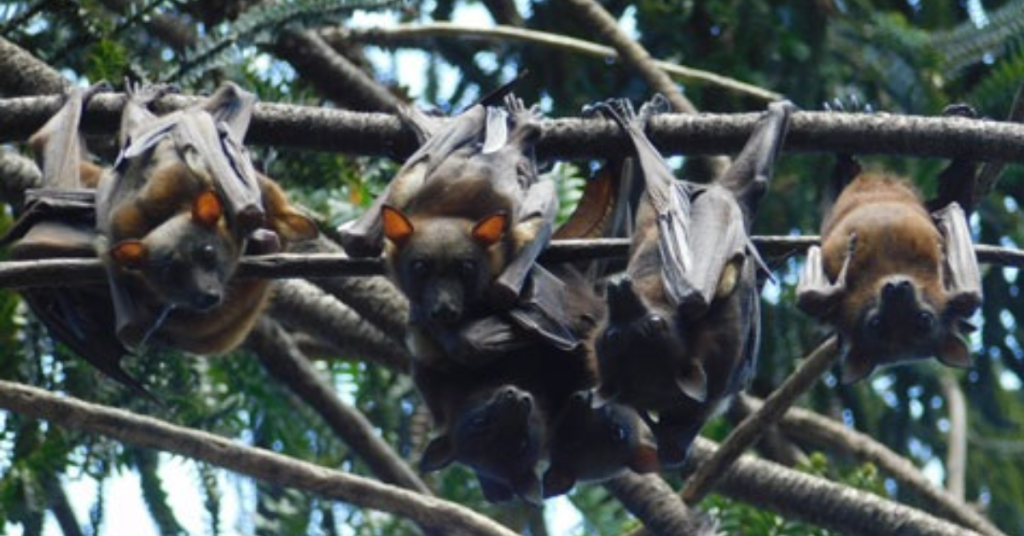
The City of Moreton Bay has joined forces with Queensland technology firm Kallipr to place 16 specialised sensors across eight known roosts. These devices track temperature and humidity in real-time. This data is vital as the region prepares for higher summer temperatures. The sensors are built to withstand harsh environments and can work even in areas with poor phone reception. This means council staff do not have to physically travel to the sites to check conditions.


When the temperature rises above a certain safety level, the system sends an immediate alarm. This alert allows council officers to notify wildlife rescue organisations quickly. Carers can then step in to help the animals before the heat causes serious harm. Mayor Peter Flannery noted that this technology helps researchers understand how heatwaves affect the animals and what can be done to protect them in the future.
Understanding the Locals
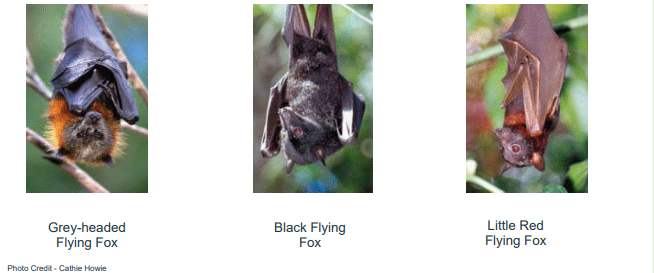
Moreton Bay is home to three types of flying foxes. The Black and Grey-headed flying foxes live in the area all year, while the Little Red flying fox visits during the summer. Although it might look like there is a sudden explosion in numbers when the Little Reds arrive, these animals only have one baby a year. They are intelligent, social creatures and play a critical role in pollinating native trees like Eucalypts over long distances.


Despite their importance, living near roosts can sometimes be difficult for residents. The council has started several projects to manage these impacts. In Petrie specifically, park furniture and a footpath at Sweeney Reserve were moved away from a roost to create distance between people and the bats. New signs were also added to keep the community informed.
Safety and Long-Term Plans
Health experts emphasise that residents should never touch a flying fox. While less than one per cent of the population carries Australian Bat Lyssavirus, the virus can be transmitted through bites or scratches. However, living or walking near a roost or coming into contact with droppings does not pose a risk. Mayor Flannery advised that anyone who sees an injured animal should call a professional wildlife carer immediately rather than trying to help it themselves.
Local authorities do not support trying to scare the bats away with noise or smoke, known as dispersal. This method is expensive and rarely works because the animals often return to their original home or split into smaller, more problematic groups nearby. Instead, the council is working on a ten-year regional plan with 12 other councils to manage roosts sustainably. This includes using DNA analysis to study what the bats eat, which will help with future landscape planning.


Published Date 10-December-2025
CLICK ANY LOGO TO SEE PUBLICATION