



Milly Brings Matilda’s Legacy To Petrie

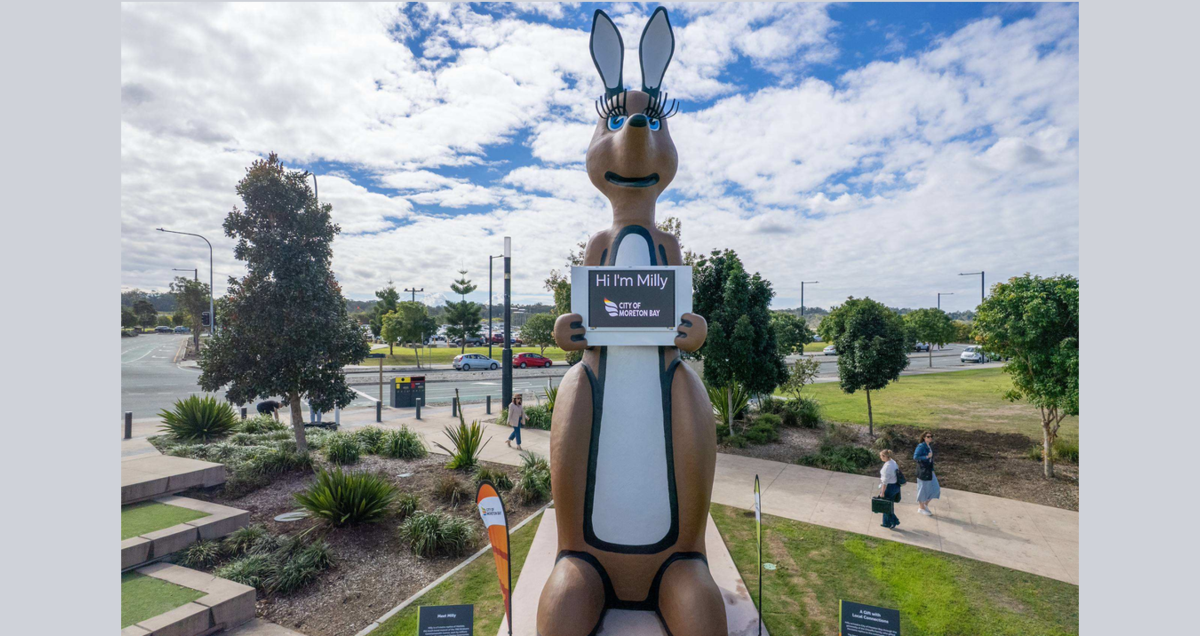
A nine-metre kangaroo has hopped into Petrie, with Milly now standing proudly at The Mill Water Park and Play Space as a new local landmark for City of Moreton Bay.


The giant replica of Matilda, the mascot of the 1982 Brisbane Commonwealth Games, has been named Milly in honour of the old Mill site, now known as Moreton Bay Central. The sculpture sits beside the future Moreton Bay Indoor Sports Centre, linking one of the city’s best-known family destinations with its sporting future.
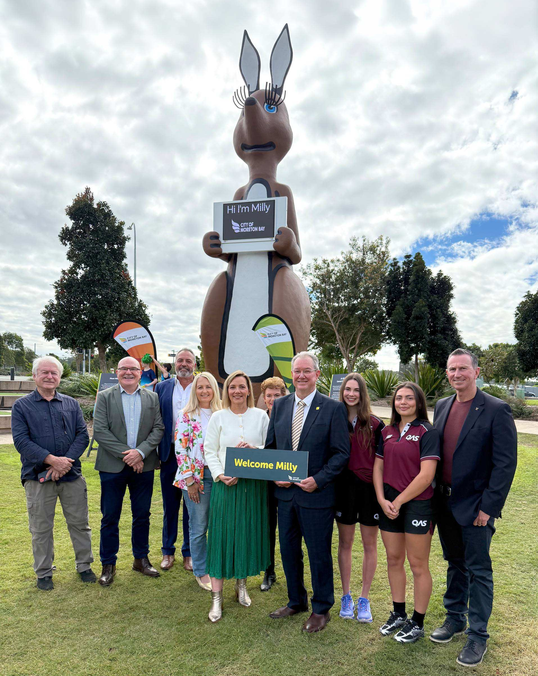
Photo Credit: City of Moreton Bay

City of Moreton Bay Mayor Peter Flannery said Milly represents both the city’s history and its role in the road to Brisbane 2032.

“Forty-four years ago, Matilda announced Queensland to the world. Today, her spirit returns,” Mayor Flannery said.

“Milly will stand here as a proud, daily reminder of the role our City continues to play in shaping the Brisbane 2032 Olympic and Paralympic Games, and I hope she inspires the next generation of local athletes to set their sights on competing in 2032.”

A family gift with a second life

Milly was generously donated to the community by the O’Keeffe family, giving the much-loved sculpture a new home in Moreton Bay.

For creator David Joffe of Natureworks, the project was about preserving something familiar and giving it another chapter in the public eye.

“We didn’t just build a giant kangaroo — we helped save an Australian icon and give it a new life for future generations,” Mr Joffe said.

“Rather than disappearing into storage or being lost forever, she’s now part of a community Playground where families and children can enjoy her every day.”
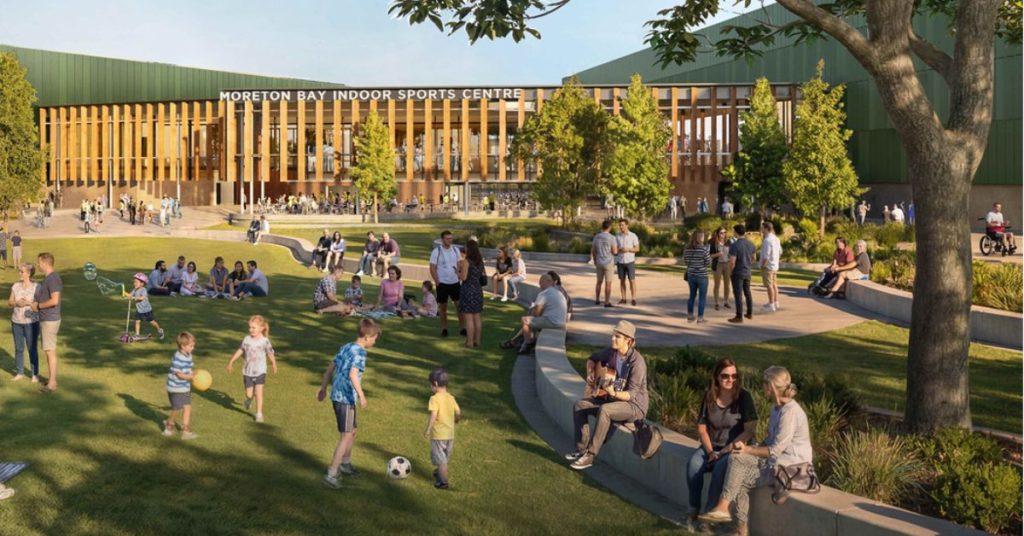
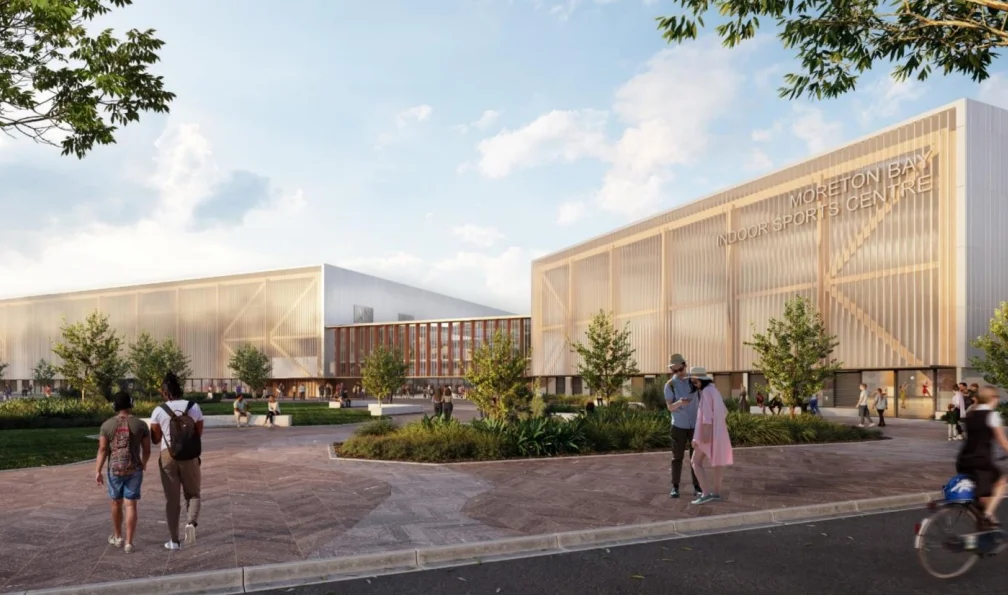
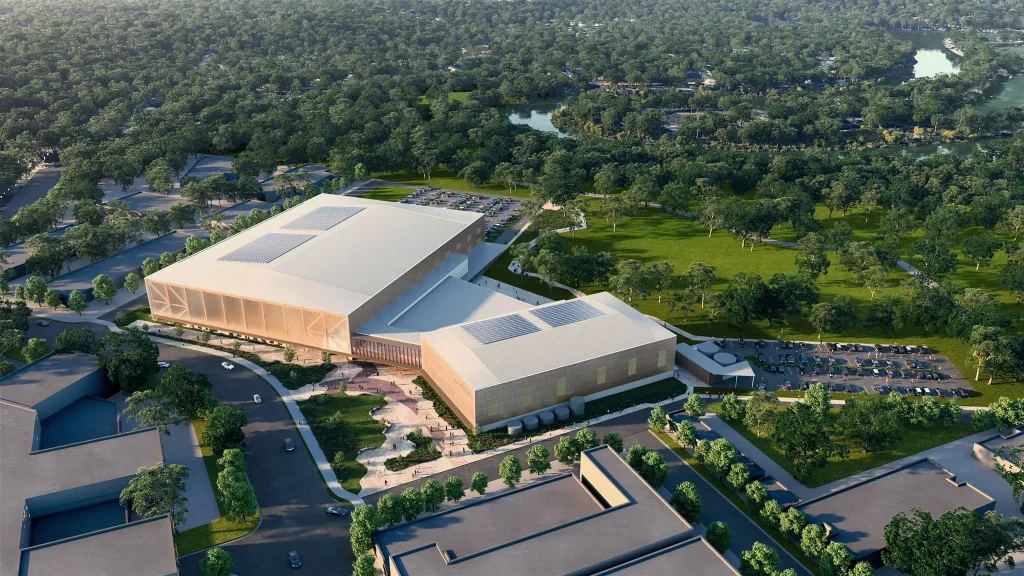
Artist impression of the new Moreton Bay Indoor Sports Centre

Mr Joffe said the project was “a fantastic example of recycling in the best possible way”, with the sculpture now able to be enjoyed rather than forgotten.

A local icon with a story to tell

1982 Brisbane Commonwealth Games gold medallist Robert de Castella also welcomed Milly’s arrival, saying Matilda was unforgettable for many Australians.
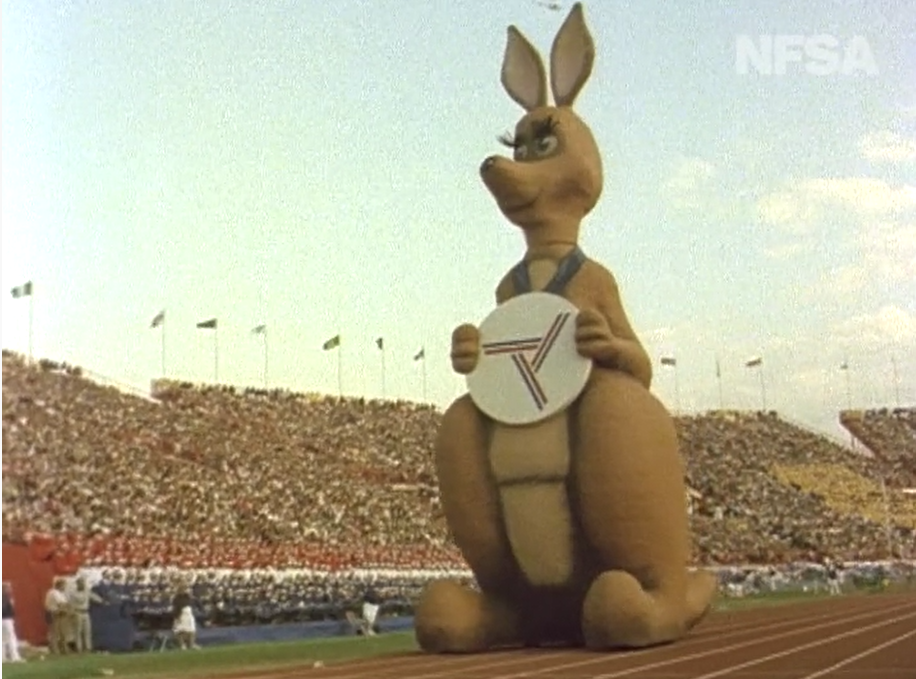
Matilda at the 1982 Commonwealth Games opening ceremony. Photo Credit: NFSA

“You could not miss her. She was the face of those Games, and for a lot of us she is the first thing we picture when we think back to 1982,” Mr de Castella said.

“What those Games did was show a generation of Queensland kids that the world would come to us, and that we belonged on that stage.”

He said the sculpture’s new home was especially meaningful with the Brisbane 2032 Games approaching.


“There will be young athletes running around this park today who could be competing in 2032, so this is a really exciting day.”

For Moreton Bay families, Milly adds a touch of nostalgia, a strong local talking point, and a playful landmark for children visiting one of the city’s favourite community spaces.

Published 24-July-2026
Dog Ban at New Petrie Lakes Walk Draws Criticisms

Pet owners have criticised the ban on dogs at the new Moreton Bay Central Lakes Walk in public comments posted after the City of Moreton Bay announced the project.


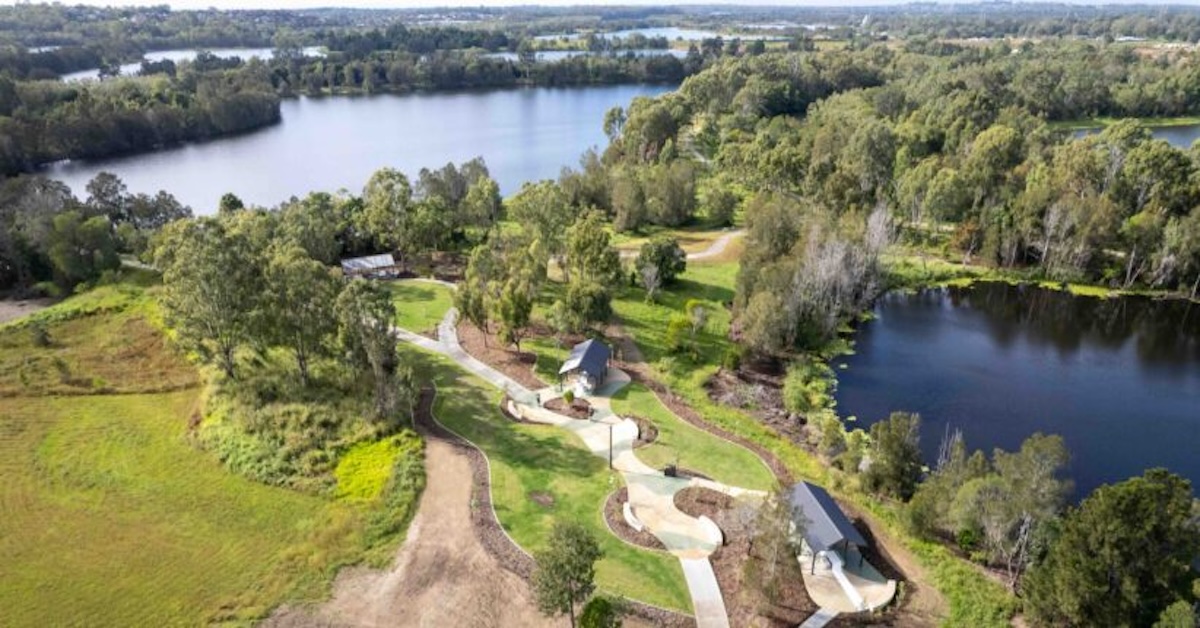
The 3km lakefront circuit opened on 20 June at the former Petrie Paper Mill site. The project cost about $6 million. It includes lake-edge paths, picnic shelters, landscaped areas and other public facilities near the North Pine River. However, pet dogs are not permitted in the lakes walk area.

City of Moreton Bay links the restriction to the precinct’s sensitive environmental setting and its wildlife, including koalas, possums and birds.

Dog Owners Question Full Ban

Several people criticised the restriction in public comments posted on social media. Some said they would not use the circuit because they could not bring their dogs. Others said they normally kept their pets on leads and were disappointed that leashed dogs were also excluded.

One commenter described the decision as unfriendly to dog owners. Another said her family would miss out on the new lakes walk despite always keeping their dog on a lead.

The comments suggest the restriction may reduce the circuit’s appeal for households that combine daily exercise with walking their pets.

Council announced the dog-free rule before the circuit opened.

Council Points to Sensitive Wildlife Area

City of Moreton Bay describes the lakes precinct as an environmentally sensitive area that supports koalas, possums, birds and other wildlife. However, the council release did not cite or summarise a specific environmental study supporting the restriction. It also did not explain whether leashed access, designated walking times or dog-friendly sections had been considered.

The discussion raises a broader question about how councils balance wildlife protection with demand for pet-friendly recreation.

City of Moreton Bay provides designated dog parks, beaches and exercise areas across the region. Council rules state that dogs are prohibited from conservation parks, reserves and foreshores unless an area has been designated for dog exercise.

Circuit Forms Part of Larger Petrie Precinct

The lakes walk forms part of Moreton Bay Central, within the wider 460-hectare The Mill at Moreton Bay Priority Development Area.

The precinct includes the University of the Sunshine Coast Moreton Bay campus and the nearby Mill Water Park and Play Space. It will also include the planned Moreton Bay Indoor Sports Centre.

The venue is expected to host events during the Brisbane 2032 Olympic and Paralympic Games. It is also planned to support local sport and community use after the Games.

Mayor Peter Flannery said in June that the walking circuit gave residents an early benefit from development around the future sports centre. He also linked the project to population growth and the need for more public spaces across Moreton Bay.


The online criticism raises the question of whether Council may consider leashed access or review the restriction in future. Clearer information about enforcement and nearby dog-friendly alternatives could also help visitors plan their trips to the precinct.

Published 20-July-2026

New $6m Walking Circuit Opens at Petrie Lakes Precinct 

A new $6 million walking circuit has opened at Moreton Bay Central in Petrie, adding lakefront paths, picnic shelters and landscaped green space to the former paper mill site.


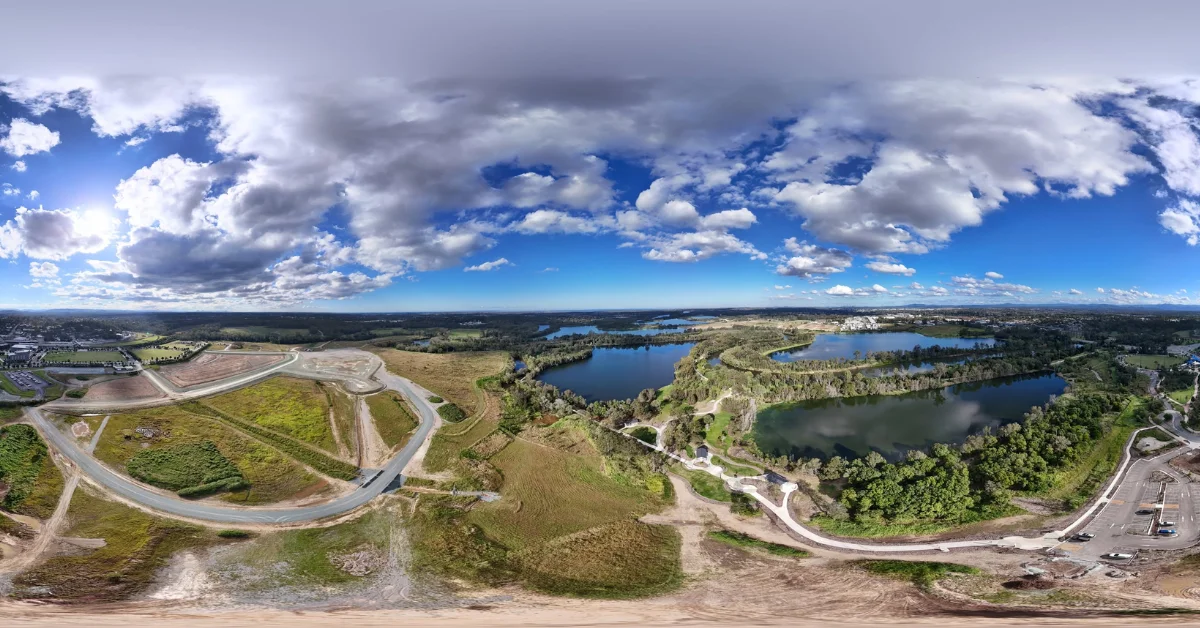
The Moreton Bay Central Lakes Walk is a 3km circuit around the lakes precinct, providing waterside access and public recreation space beside the area planned for the Moreton Bay Indoor Sports Centre.

The project opened on 20 June and forms part of the ongoing activation of the former Petrie Paper Mill site, which has been reshaped into a major precinct anchored by the University of the Sunshine Coast Moreton Bay campus.

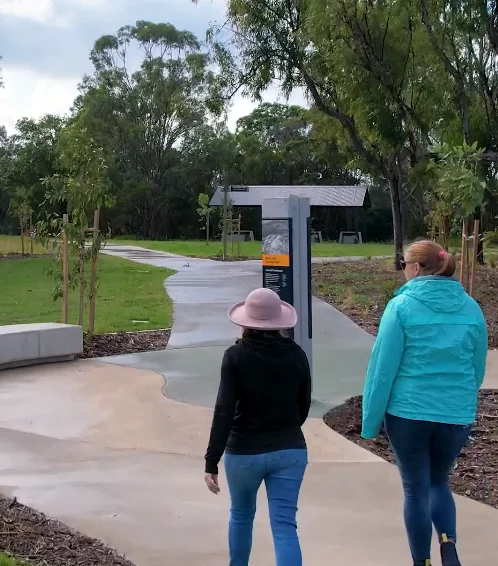
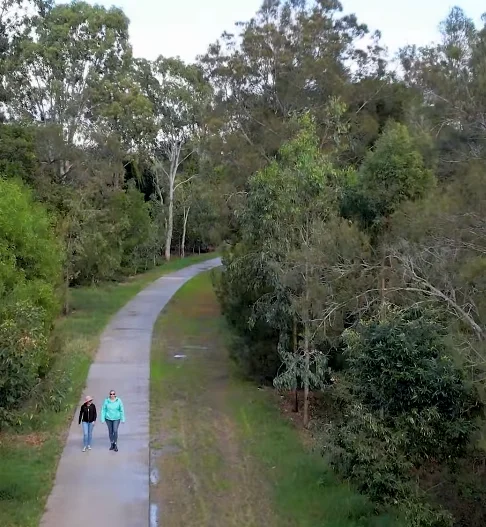
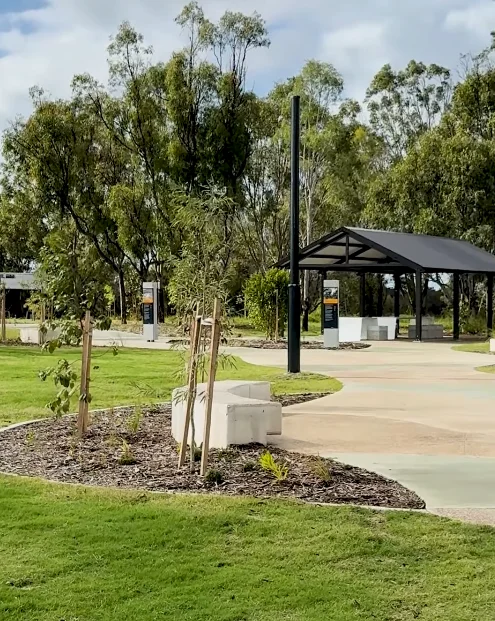
The upgraded lakefront area includes walking trails along the edge of the lakes, picnic shelters and green spaces designed for families, visitors and community groups.

Moreton Bay Central Lakes Walk Opens in Petrie

The Moreton Bay Central Lakes Walk adds another public space to a precinct already used by families and visitors, including those visiting the nearby Mill Water Park and Play Space.

The new circuit has also been developed beside the planned Moreton Bay Indoor Sports Centre, a venue connected to the Brisbane 2032 Olympic and Paralympic Games.

While the Games remain six years away, the walking circuit has opened ahead of that major event, giving residents access to the upgraded lakeside area well before the Olympic and Paralympic period.

The project is intended to provide green space for visitors to the sports centre during the Games, while also serving as long-term public infrastructure for City of Moreton Bay residents.

Moreton Bay Central lakes walking circuit
Photo Credit: City of Moreton Bay/Instagram

Former Paper Mill Site Continues to Change

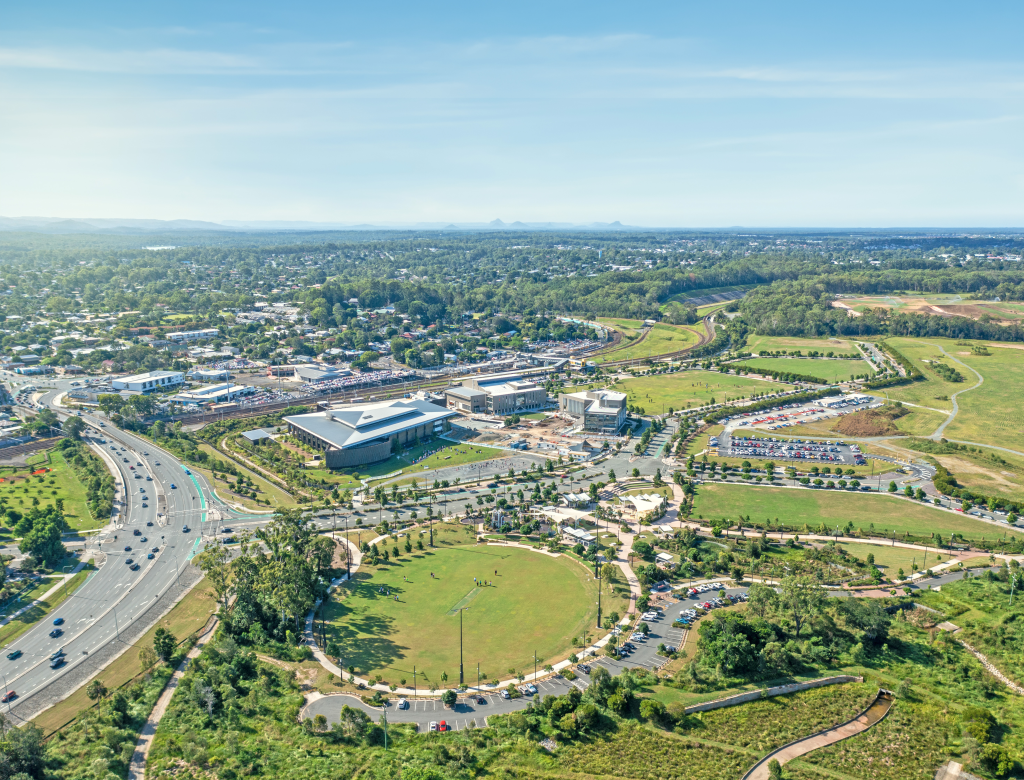
Moreton Bay Central, formerly known as The Mill, is a 460-hectare Priority Development Area in Petrie.

The site is located at the old Petrie Paper Mill and is now anchored by the UniSC Moreton Bay campus. The lakes precinct forms part of the broader Moreton Bay Central area, where public open space, recreation areas and major facilities are being developed.

The new walking circuit continues the transition of the former industrial site into a public precinct used for education, sport, recreation and community activity.

The lakefront works have been designed to make the edge of the lakes more accessible, with paths and landscaped areas giving visitors more ways to move through and use the precinct.

Petrie lakefront walking trail
Photo Credit: City of Moreton Bay/Instagram

Wildlife Area Will Remain Dog-Free

Dogs will not be allowed in the Moreton Bay Central Lakes Walk area because of the sensitive environmental setting.

The precinct is home to wildlife including koalas, possums and birds. The restriction has been put in place to protect the area’s natural setting and the animals that live there.

The environmental setting is a key part of the lakes precinct, with the walking circuit running through an area that combines public access with wildlife considerations.

Funding For The Petrie Project

The Moreton Bay Central Lakes Walk was funded through a mix of government and council contributions.

The project received $3,106,291 from the Australian and Queensland governments through the SEQ City Deal Liveability Fund. City of Moreton Bay contributed $2,944,569.


The SEQ City Deal is a partnership involving the Australian Government, Queensland Government and Council of Mayors South East Queensland. It supports projects intended to provide long-term benefits across South East Queensland, including City of Moreton Bay.

Published 29-June-2026

PsiQuantum Breaks Ground on Utility-Scale Quantum Computer at Petrie

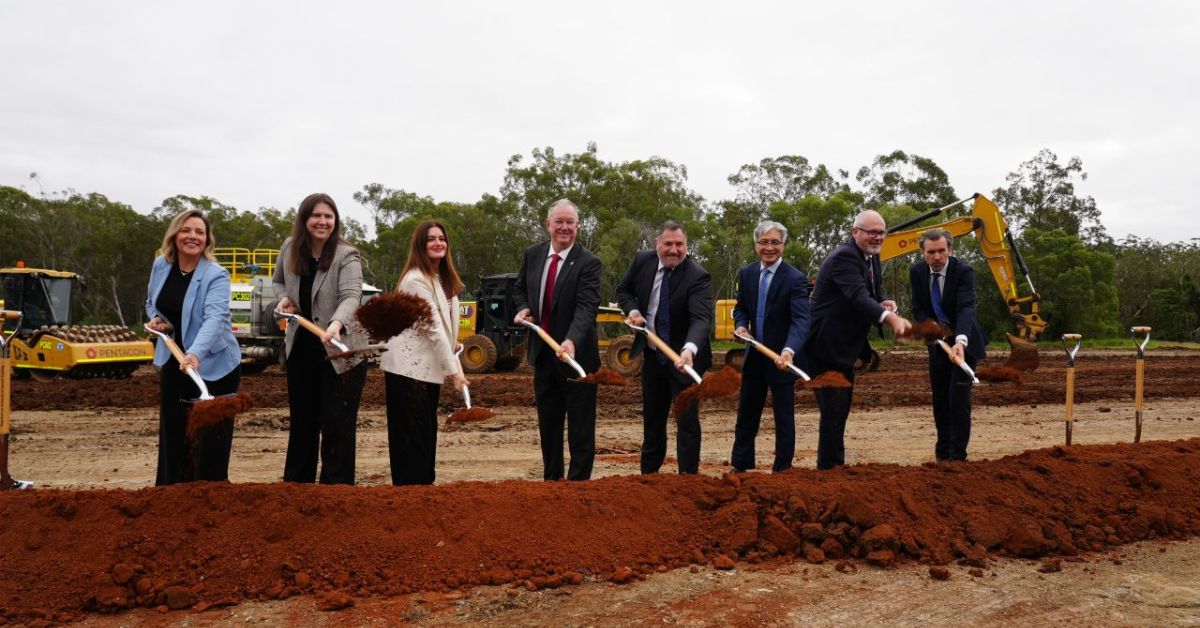
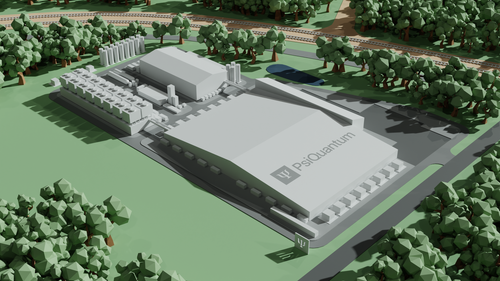
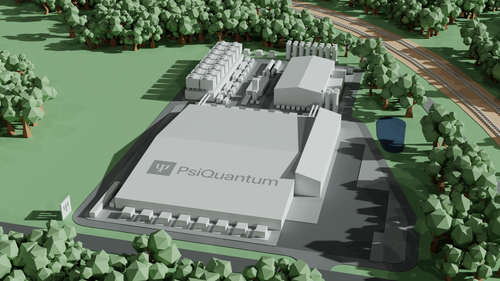
PsiQuantum has broken ground at Moreton Bay Central in Petrie, officially beginning construction of what the company describes as the world’s first utility-scale, fault-tolerant quantum computer on a site that once housed one of Queensland’s largest paper mills.


Construction began on 17 June, with the project backed by approximately $940 million in combined investment. It positions Moreton Bay Central as PsiQuantum’s Asia-Pacific headquarters and places the region at the centre of one of the most ambitious technology construction projects in the country’s history.

The potential impact of quantum computing

Fault-tolerant quantum computers operate on fundamentally different principles from conventional computers. Where today’s machines process information as binary bits, quantum systems use quantum bits, or qubits, that can exist in multiple states simultaneously, enabling certain classes of problems to be solved at a scale and speed no classical computer could approach.

Photo Credit: PsiQuantum

The applications researchers expect to unlock include breakthroughs in drug discovery, materials science, energy systems, logistics optimisation, financial modelling and agricultural science. The qualifier “utility-scale” matters: it describes a machine powerful and reliable enough to tackle real-world commercial and scientific problems rather than laboratory demonstrations. No such machine exists yet anywhere in the world.

Photo Credit: PsiQuantum

“For decades, quantum computing has held the promise of transforming what humanity can achieve through computation,” said PsiQuantum Interim CEO Victor Peng at the groundbreaking. “Today in Australia we are beginning to turn that promise into reality.”

How PsiQuantum is building it

PsiQuantum’s approach is photonic, using particles of light rather than superconducting circuits or trapped ions to carry quantum information. The practical advantage of photonics is that it operates closer to room temperature in some components and can leverage existing semiconductor manufacturing techniques used to produce optical chips.

The facility’s central piece of infrastructure is a cryoplant ordered from Linde Engineering in late 2024, which will cool critical quantum components to near absolute zero. It will be one of the largest cryoplants ever constructed for quantum computing. Delivery is scheduled for the second half of 2027, after which PsiQuantum will commission the system before accepting cryogenic cabinets filled with photonic quantum chips networked via standard optical fibre.

The system at Moreton Bay is expected to be operational in 2029, pushed back from the original 2027 target that was announced when the project was first revealed in April 2024.

The site that made this possible

PsiQuantum originally planned to build the facility at Brisbane Airport, but relocated to Moreton Bay Central after identifying the Petrie site as better suited to the project’s power, utility and infrastructure requirements.

Photo Credit: PsiQuantum

The former Petrie Paper Mill had operated at industrial scale for decades, giving the site the heavy-duty services infrastructure that quantum computing at this level demands. New energy infrastructure commissioned ahead of the 2032 Olympic precinct development at the site has added further capacity.

Robert Lindwall, PsiQuantum’s head of Australian operations, described Brisbane Airport Corporation as a constructive early partner and thanked the airport precinct for its support before the project found its permanent home.

Building the ecosystem around it

A month before the Petrie groundbreaking, PsiQuantum opened its Test and Validation Lab at Griffith University‘s Nathan campus, including a high-powered cryogenic system to test photonic quantum chips and sub-systems. That facility is where the components for the Moreton Bay machine are being developed and refined before going into the main system.

The co-location of the Test and Validation Lab at Griffith, the TAFE Centre of Excellence at Moreton Bay Central and the USC Moreton Bay campus reflects a deliberate plan to build not just a machine but a regional quantum ecosystem, with research, training and manufacturing capacity growing alongside the hardware itself.

Jobs across engineering, technical operations, advanced manufacturing, research and professional services are expected to be created at the Petrie site as construction progresses.

For more information on PsiQuantum and the Moreton Bay Central project, click here.


Published 22-June-2026

Boral Quarry at Lawnton Emerges as Alternative Rowing Venue Proposal for 2032 Games

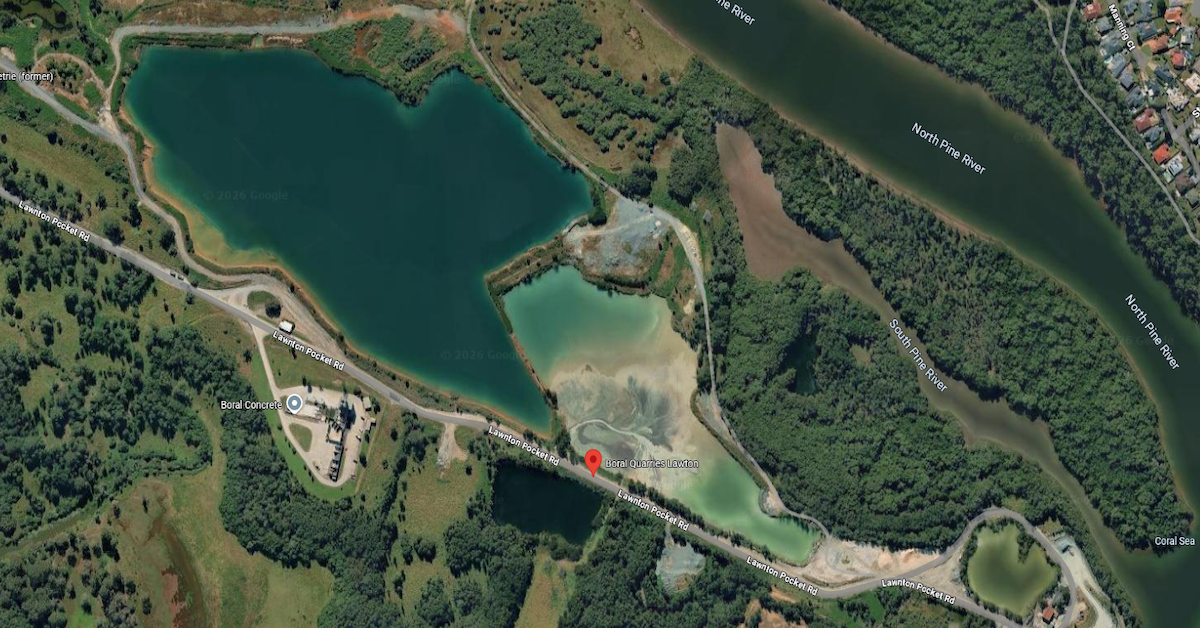
A consortium led by City of Moreton Bay has been quietly developing plans to transform the Boral quarry at Lawnton into a purpose-built Olympic rowing facility, positioning the site as an alternative to Rockhampton’s Fitzroy River for the Brisbane 2032 Games.


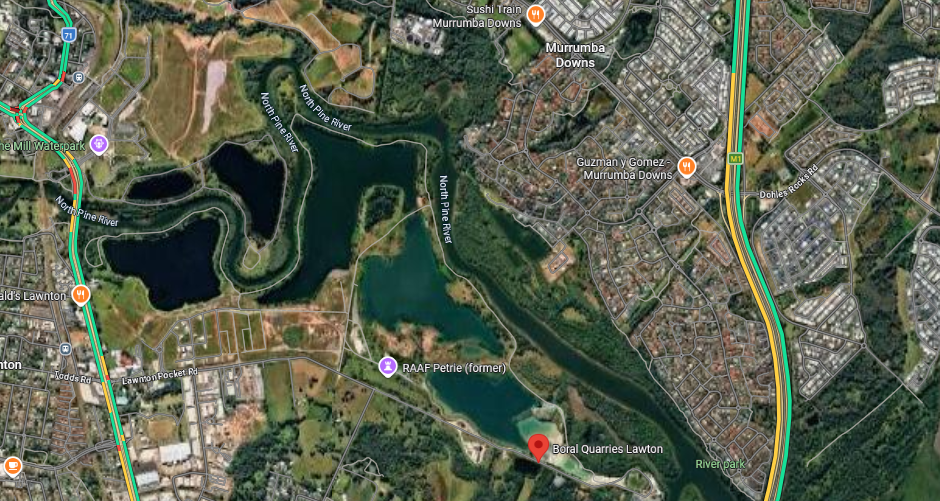
The proposal would redevelop the Boral quarry on Lawnton Pocket Road, south of the North Pine River, into what proponents say could become one of the world’s best rowing venues. The site’s proximity to Brisbane Airport and connection through Petrie train station have been highlighted as major advantages compared to the 600-kilometer journey to Rockhampton.

Photo Credit: City of Moreton Bay

Rowing advocates and South East Queensland business leaders have prepared high-level technical and financial analysis to present the Boral quarry proposal to authorities as an alternative venue. The plan mirrors the successful transformation of a quarry into Sydney’s Penrith International Regatta Centre, now regarded as one of the world’s premier rowing facilities.

Strategic Location Benefits

The Boral quarry is currently being decommissioned. It sits in the Moreton Bay region near the industrial area of Lawnton, close to Gympie Road and bordered by Petrie and Strathpine. The plan is to repurpose the area for lakeside recreational activities and housing. It is expected to provide easy access for athletes, officials and spectators compared to regional alternatives, with Petrie train station offering direct public transport connections.

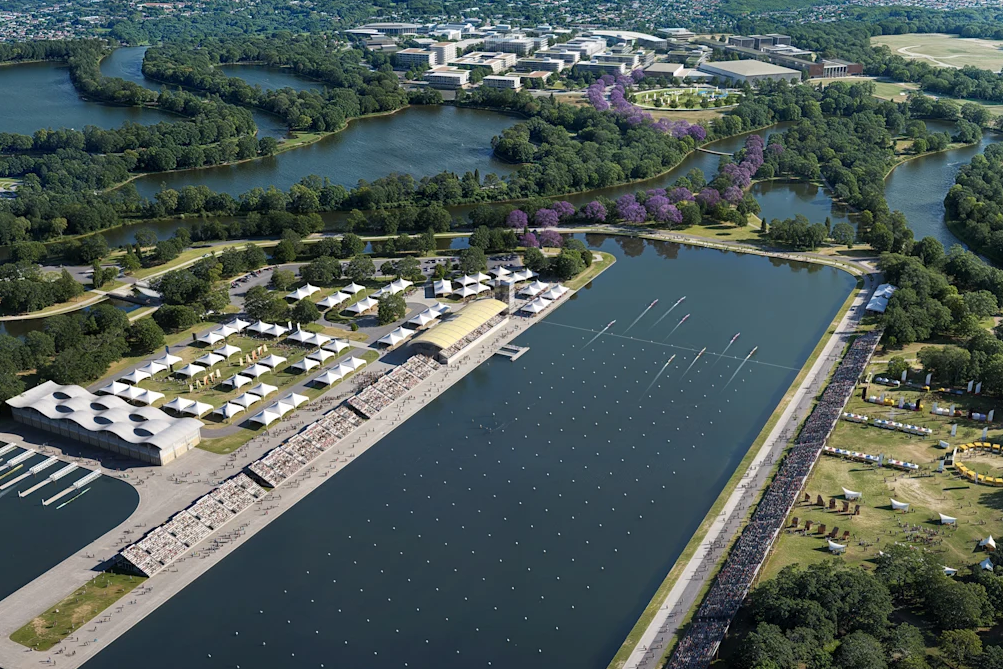
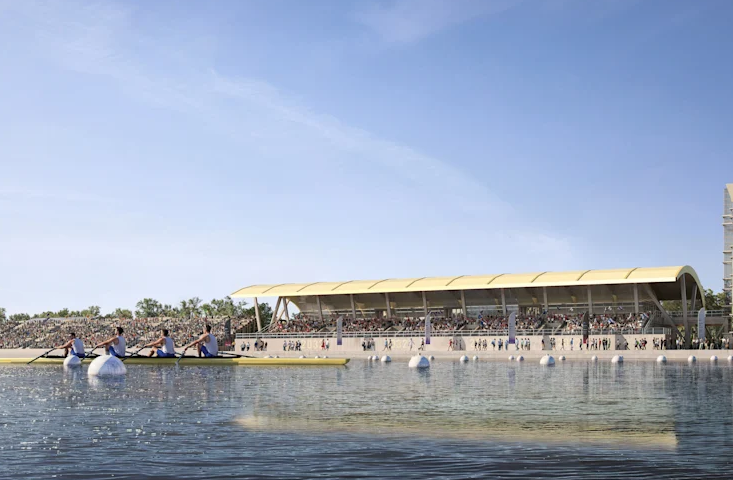
Proposed flatwater centre with Moreton Bay International Sports Centre in the distance.
Photo Credit: City of Moreton Bay

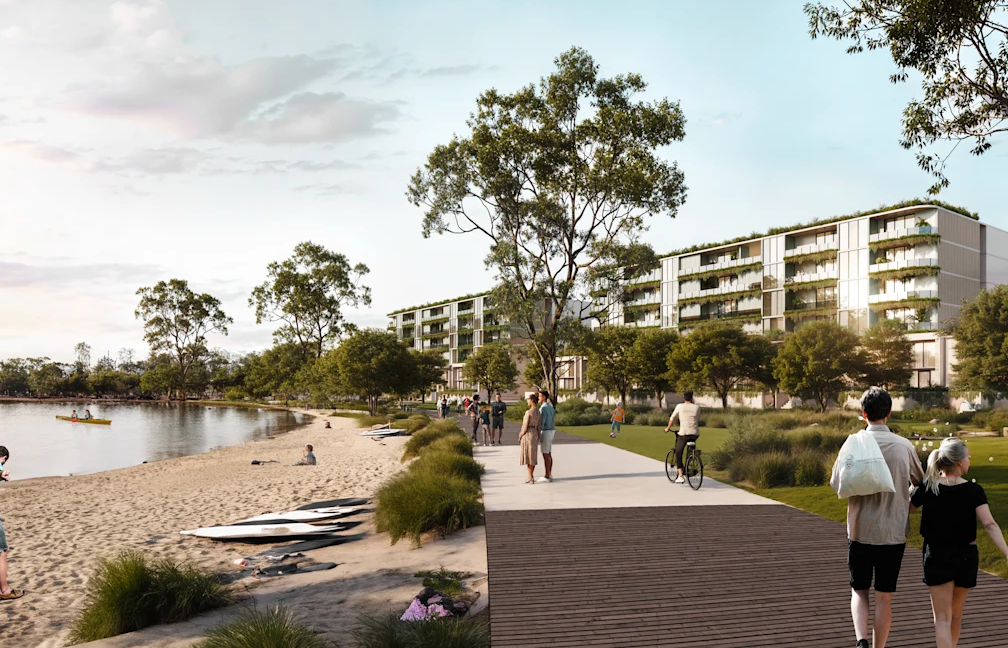
Boral is understood to be supportive of the quarry transformation proposal. Mayor Peter Flannery of Moreton Bay said that the facility would cost around $250 million. The cost to taxpayers would be about $150 million of that, with Boral’ contributing to the cost’s contribution recouped through the development of about 750 homes.

Lakeside homes are included in the plan. Photo Credit: City of Moreton Bay

The project will cost half of the planned upgrades along the Fitzroy River.

Uncertainty Around Rockhampton Venue

The 2032 Delivery Plan released in March 2025 confirmed Rockhampton as the site for rowing and canoe sprints. However, with technical field-of-play assessments still under review by international officials, the Lawnton Quarry remains a credible ‘Plan B’ for authorities looking to keep the events in the south-east.

The Boral quarry proposal emerged amid growing concerns about whether the Fitzroy River in Rockhampton can provide the flat, even conditions required for Olympic-level competition. World Rowing and International Canoe Federation standards require still water without current that could favour certain lanes or create an uneven playing field for competitors.

Proponents behind the Lawnton proposal argue that without a suitable Queensland alternative, Olympic rowing could be moved to Penrith in New South Wales, taking a marquee event away from the state. The Games Independent Infrastructure and Co-ordination Authority had previously recommended Penrith host rowing in 2032 due to wind and topographical challenges at Lake Wyaralong and Hinze Dam.

At the finish line. Artist’s perspective. Photo Credit: City of Moreton Bay

Moreton Bay’s Olympic Role

Regardless of the rowing venue decision, City of Moreton Bay will play a significant role in the 2032 Games through the Moreton Bay Indoor Sports Centre. The 12-court facility at the revitalised Mill Precinct received endorsement from Australian and Queensland authorities in 2024, with procurement commencing for the $205.5 million project.

The indoor sports centre will host Olympic boxing events before becoming a legacy facility supporting basketball, netball, volleyball, gymnastics, futsal, pickleball and wheelchair rugby for the growing Moreton Bay population. With almost 700,000 people living within 30 minutes of the centre, the facility is designed to serve the community for decades beyond the Games.


Published 16-February-2026.

Petrie May Host Brisbane 2032’s Largest Timber Venue

Petrie is set to house what may become the largest mass timber venue of the Brisbane 2032 Olympic and Paralympic Games, as plans progress for a major indoor sports facility.


Timber Venue Planned in Petrie for Brisbane 2032

A major indoor sports centre proposed for Petrie could become the largest mass timber venue built for the Brisbane 2032 Olympic and Paralympic Games. The facility, known as the Moreton Bay Indoor Sports Centre, has entered procurement with design tenders now open. If delivered as planned, it will stand out as a key example of sustainable stadium construction in South East Queensland.

Located within the Mill Precinct in Petrie, the project is being overseen by the Games Infrastructure and Coordination Authority (GIICA) in collaboration with the Queensland and Australian governments, as well as the City of Moreton Bay. Early works have already started at the site, and the venue has been formally included in the 2032 Delivery Plan announced in March 2025.

Timber Olympic venue
Photo Credit: QLD Gov

Timber Design and Sporting Features

The venue will feature mass timber elements across its two-hall layout, accommodating 12 indoor courts for basketball, netball, volleyball, gymnastics, futsal, pickleball, badminton, and wheelchair rugby. It is expected to seat up to 10,000 spectators. During the Games, the centre is earmarked for boxing events and may be used for other indoor competitions.

Officials have been working on the timber-focused design for over a year, aligning the venue with broader sustainability goals for Olympic infrastructure. The City of Moreton Bay will retain ownership of the facility, which is also intended to address long-term community demand for indoor sports space.

The Mill Precinct
Photo Credit: QLD Gov

Timeline and Local Contribution

The project is moving into its detailed design phase, with procurement for the Principal Design Consultant underway. Major construction is scheduled to begin in 2026, with completion expected in 2029. Legacy operations for the local community will commence shortly after, with a transition to post-Games use in late 2032.


The City of Moreton Bay has contributed the land and enabling works, with the broader $7.1 billion Olympic infrastructure package receiving $3.4 billion in federal support. The facility’s construction within Petrie reinforces the suburb’s growing role as a regional hub and reflects a trend towards incorporating engineered timber in major venue designs.

Published 10-July-2025

Petrie to Host Olympic Boxing as $205M Sports Centre Project Kicks Off

A brand-new indoor sports centre in Petrie is set to host boxing for the Brisbane 2032 Olympic and Paralympic Games, placing the fast-growing Moreton Bay suburb squarely on the international sporting stage.


Construction Timeline and Cost

A $205 million Indoor Sports Centre will be built at The Mill in Petrie, near the University of the Sunshine Coast. Site work begins by June 2025, with major construction completing by 2028 to ensure readiness for the Games.

The project is being funded jointly by the Queensland and federal governments through the $1.87 billion Minor Venues Program, which supports Olympic infrastructure in suburban and regional areas.

Facilities and Features

When finished, the indoor sports centre will feature 12 multi-use courts across two large halls. These will be suitable for basketball, netball, volleyball, futsal, badminton, pickleball and wheelchair rugby. It will also include player change rooms, a café, meeting rooms, and more than 300 car spaces.

During the 2032 Olympic Games, the venue will transform into a boxing arena with a seating capacity of up to 10,000. After the Games, the space will revert to a community facility for local sports, events, and other large-scale activities.

Local Impact and Community Focus

The centre is being developed with the surrounding population in mind. Nearly 700,000 people live within a 30-minute drive of Petrie, and demand for modern indoor sporting venues in the Moreton Bay region has been rising.

Games officials stress the facility is designed for both the Olympics and long-term community use, serving local schools, clubs, and events year-round. It will be fully accessible for people of all abilities.

Sustainability Goals and Broader Legacy

The indoor centre aims for a 6-Star Green Star rating, highlighting its strong focus on sustainability, energy efficiency, and environmental performance, making it one of Queensland’s most ambitious Olympic venues. 


It forms part of a broader state plan to use the Brisbane 2032 Games as a springboard for long-term benefits, with facilities like the Petrie centre supporting lasting improvements alongside transport and tourism upgrades.

Published 11-May-2025