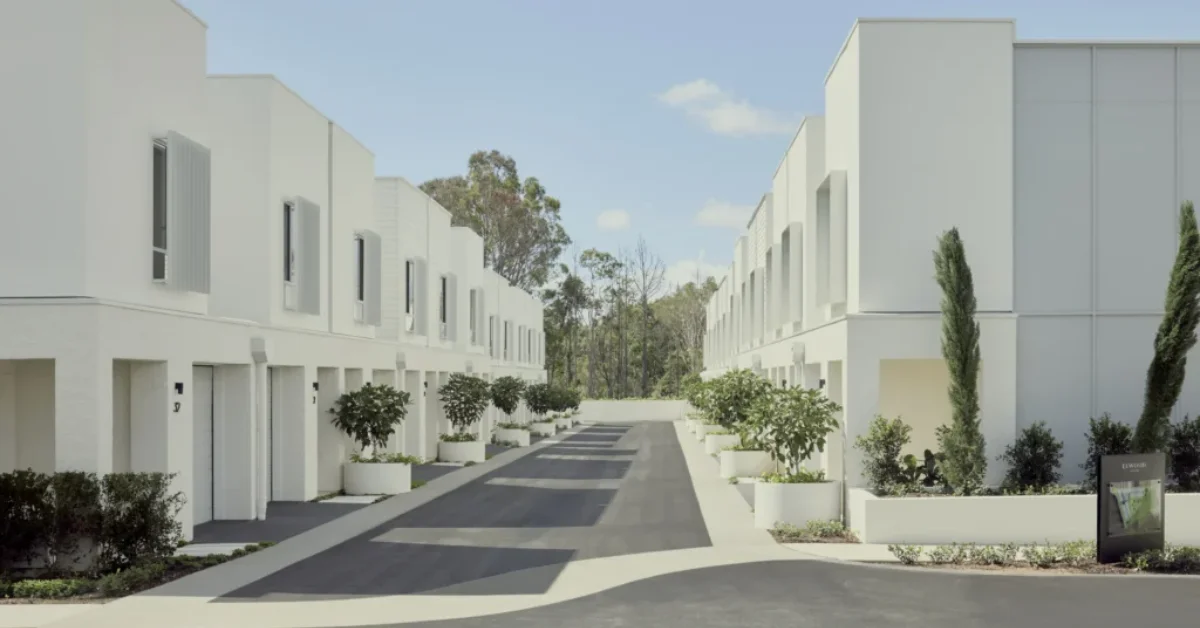




A 116-townhouse community with a resort-style pool, landscaped recreation areas and an amphitheatre could soon reshape a key pocket of Mango Hill, with plans lodged for a $100-million project called Avela.
The proposal arrives at a pointed moment for the suburb. Mango Hill’s median house price has climbed 13.5 per cent over the past year to $1,032,500, a trajectory that has prompted the developer to position townhouse living as a more attainable option in the suburb.
The project is being driven by development group Chapter Two. The group previously delivered Kinsella’s Rise in the suburb, a land estate that sold out in 2023, and is now returning with a townhouse product rather than a land estate.
What Is Avela and What Does It Include?
Photo credit: Chapter Two
The proposed site sits directly opposite Mango Hill Secondary College, within easy reach of public transport, Westfield North Lakes, university facilities and major health services. More than 6,000 square metres of the site would be set aside for communal open space, anchored by a resort-style pool and pavilion, with landscaped recreation areas and a natural bush backdrop framing an outdoor amphitheatre.
Avela is framed in the plans as a more attainable alternative to detached housing, with the developer citing rising house prices as context for the project. Pricing for the townhouses has not yet been announced.
Photo credit: Chapter Two
Subject to council approval, sales and construction are expected to begin in 2027.
The proposal comes alongside another housing initiative taking shape in Mango Hill. Queensland is currently partnering with community housing provider Y-Care to deliver 47 affordable homes in the suburb specifically for older women, a project expected to be completed by late 2026.
Taken together, the activity points to a suburb under real pressure to house a growing and increasingly diverse population. Townhouse developments have been increasingly promoted by developers across South-East Queensland as an intermediate option between detached homes and apartments.
Mango Hill commuters are facing altered travel arrangements in April 2026, with the Redcliffe Peninsula Line operating on a reduced route as part of a series of planned infrastructure works across South East Queensland.
The closures began on Friday 3 April and are scheduled to continue until Sunday 26 April 2026. Works underway include the Cross River Rail project, the Beerburrum to Nambour Rail Upgrade, and the installation of new signalling systems.
Photo credit: Google Maps/Leon Tomlinson
During this period, trains on the Redcliffe Peninsula Line are running only between Kippa-Ring and Northgate stations. Translink is providing replacement bus services to connect passengers to the broader network.
Queensland Rail has noted that recent industrial action by the Electrical Trades Union, relating to pay and conditions, has further complicated the situation during this period.
Replacement Bus Services
Photo credit: Translink
Translink is operating rail replacement bus services for affected stations. At Mango Hill, the designated replacement bus stop is located at Mango Hill station (Stop ID 319649), serving both inbound and outbound passengers. At Mango Hill East, the stop is at Mango Hill East station (Stop ID 319648), also serving both directions.
Translink advises passengers to follow directional signage at the station on the day of travel, as stop locations are subject to change. Journey planning assistance is available via the Translink journey planner or by calling 13 12 30, available 24 hours a day.
Hornibrook Bus Lines operates routes 681, 682, and 687 through Mango Hill station to nearby areas.
The disruptions are also affecting travel to Redcliffe Hospital. Residents in Mango Hill who rely on public transport to access health services are encouraged to plan ahead, as journeys may take significantly longer than usual.
Late-Night Closures
Passengers should also be aware that additional late-night track closures on the Redcliffe Peninsula Line are planned from Thursday 23 April 2026.
The incident took place on Brisbane Valley Highway at Lake Wivenhoe at about 11:10 p.m. on 14 March 2026.
Police indicated a white Holden Commodore and a black BMW collided head-on while travelling in opposite directions. Investigations are continuing into how the crash occurred.
A 24-year-old man from Mango Hill, who was travelling as a passenger in the Commodore, suffered serious injuries and was transported to Princess Alexandra Hospital.
The driver of the same vehicle, a 23-year-old woman from Bracken Ridge, died at the scene.
The BMW driver, a 30-year-old woman from Coominya, was also taken to hospital, with injuries described as non-life-threatening.
Police are assessing reports that the Commodore had been seen in the area shortly before the collision alongside a group of vehicles, including reports of hooning.
That aspect remains under investigation and has not been confirmed.
Public Asked To Assist
Investigators are seeking assistance from anyone who witnessed the crash or has dashcam footage from the area.
The Forensic Crash Unit is continuing to examine the circumstances surrounding the incident.
With more than 5,800 volunteer hours under her belt, Lynda Barry OAM has been awarded the Medal of the Order of Australia for her relentless work in lifeguard training.
Lynda Barry began her journey with the Caloundra City Life Saving Club in 1989 and has since become a fixture of the local coastline. Over nearly four decades, she moved from a patrolling member to taking on leadership roles, including serving as the Club Captain for twenty years.
Her work has not been limited to the beach itself; she has also spent a significant portion of her life as a trainer, teaching others the vital skills of first aid and resuscitation. By mid-2025, her records showed she had completed over 5,800 hours of volunteer patrol work, a feat that led to her being named a Life Member of her club.
Beyond her own time on patrol, Barry has focused heavily on the future of Australian lifesaving. Since 2002, she has led junior lifeguard programs, helping young people find their own path into the service. She has also worked with the Royal Life Saving Society Queensland in various roles, from managing state teams at national competitions to acting as a referee for beach carnivals.
Her influence even reached overseas when she travelled to China in 2010 to help train a delegation in Xiamen. Her professional life similarly revolved around supporting young people, including a long career as a teacher and her ongoing work with the Duke of Edinburgh’s International Award.
The announcement of her Medal of the Order of Australia on Australia Day 2026 served as a formal acknowledgement of her 37 years of dedication. Barry described the award as a significant honour that felt like a final reward for her years of teamwork. She noted that the true value of her work comes from the personal satisfaction of helping the community and being part of a team that puts others first.
This latest accolade follows a string of previous awards, including a National Medal in 2025 and her induction into a local community Hall of Fame, all of which highlight her status as a pillar of the Mango Hill and Caloundra areas.
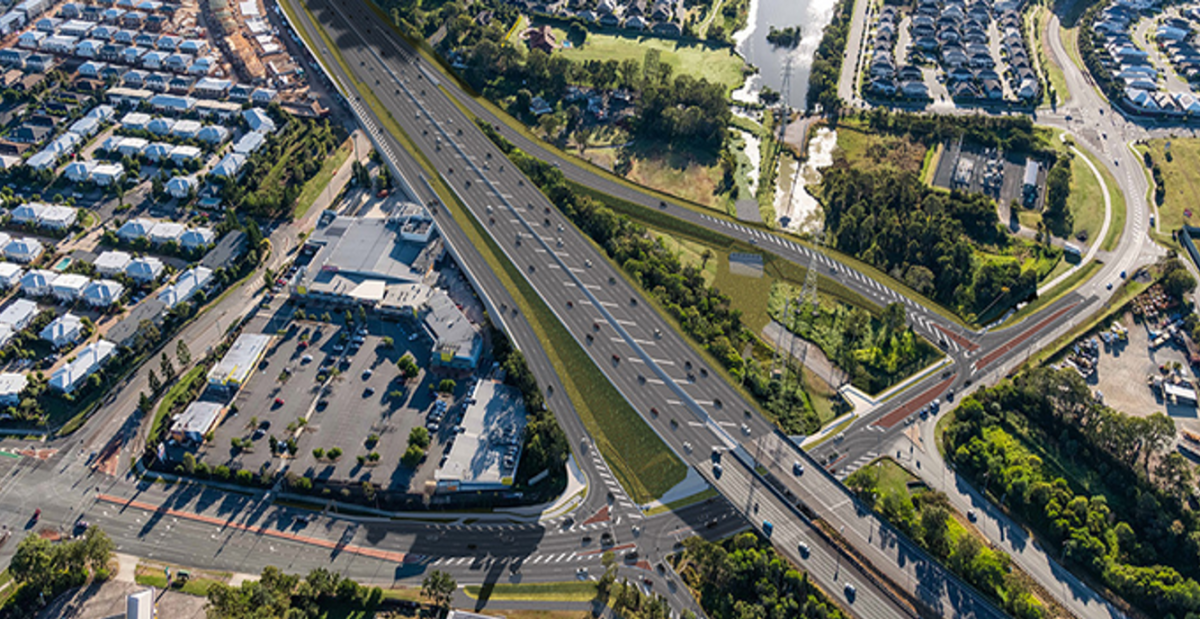
Asphalt resurfacing will soon commence on approximately three kilometres of Anzac Avenue, with works scheduled to begin in late January 2026 along one of the region’s most heavily travelled arterial roads.
The $5.6 million project will target the stretch between Diamond Jubilee Way and Kinsellas Road East in Mango Hill through to Finnegan Street in Rothwell—a route that carries around 48,000 motorists daily. The comprehensive upgrade includes asphalt resurfacing and repairs, guardrail improvements, and a complete deck resurfacing of the Saltwater Creek bridge crossing.
Works are expected to be completed by mid-2026, weather and construction conditions permitting. Given the substantial traffic volumes along this corridor, the bulk of construction will take place at night, with occasional weekend and daytime works as required.
What Motorists Can Expect
Photo credit: Google Street View
Local residents and commuters should prepare for some disruption during the construction period. The night-time scheduling will help maintain traffic flow during peak hours while delivering essential road improvements.
The resurfacing works aim to improve road surface quality and reduce ongoing maintenance costs. By extending the road’s lifespan, the project addresses the needs of one of the area’s critical arterial roads serving the rapidly expanding communities of North Lakes, Mango Hill, and surrounding suburbs.
Part of Broader Regional Investment
This upgrade forms part of a much larger $7.2 billion investment in transport infrastructure across the North Coast region over the next four years. The funding envelope covers the local government areas of Moreton Bay, Sunshine Coast, Noosa, and Somerset councils.
Within that broader allocation, $5.6 billion has been earmarked specifically for improving the safety and durability of roads across Queensland. The Anzac Avenue project is one of numerous initiatives designed to address road quality and safety concerns across the state.
Project Timeline and Traffic Management
Photo credit: Facebook/Chris Whiting MP
Transport and Main Roads has indicated that efforts will be made to minimise inconvenience to motorists during construction. The decision to schedule most works at night reflects the challenges of maintaining traffic flow on a road carrying 48,000 vehicles daily.
Occasional weekend and daytime works will be required to complete certain aspects of the project, though the majority of disruptive activities will occur outside peak travel times.
Residents with questions about the project timeline, expected impacts, or specific work schedules can contact Transport and Main Roads on (07) 5451 7055 or via email at northcoast@tmr.qld.gov.au.
While roadworks inevitably cause some inconvenience, the project represents a necessary investment in maintaining the quality and safety of infrastructure that tens of thousands of local residents rely on every day. The improvements should deliver smoother journeys and enhanced safety for motorists.
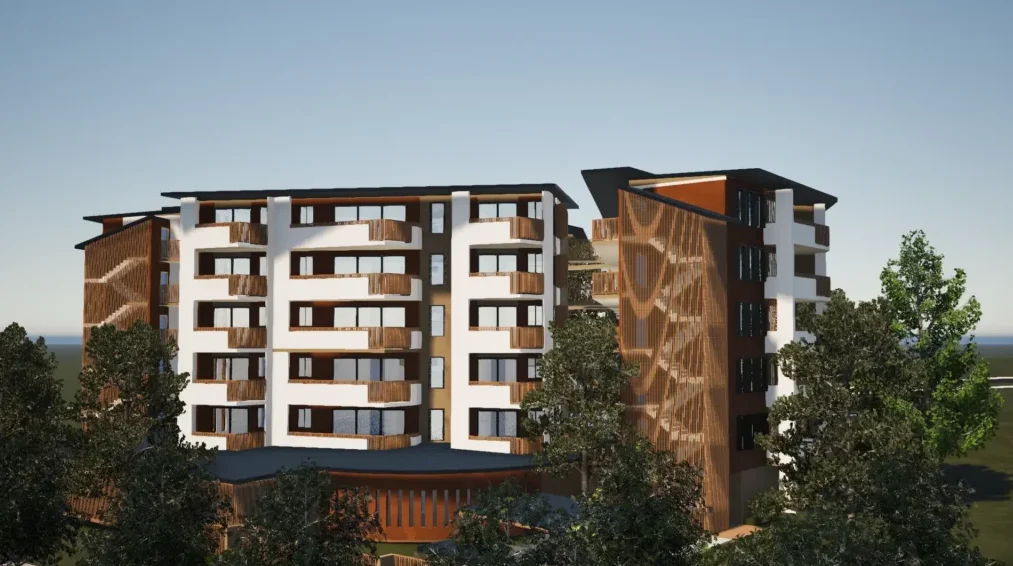
Residents are making their voices heard as the Mango Hill Urban Village proposal undergoes public consultation, with several locals raising serious concerns about the scale and impact of the 23-tower development.
The project, proposed by the Pace family for a 10.4-hectare site on Anzac Avenue, has attracted pushback from community members worried about traffic congestion and infrastructure strain.
Photo credit: DA/2025/1375
The development application (DA/2025/1375), currently before the City of Moreton Bay, seeks approval for 2,329 apartments across towers ranging from eight to 30 storeys—more than triple the 715 homes approved for the same site in 2018.
Infrastructure Concerns Dominate Feedback
Some residents have formally submitted concerns about increased traffic pressure on local roads, with one resident bluntly stating: “Current infrastructure in the area, roads, parking parklands and schools are not sufficient for the current population as of now. Anzac Ave is choking with current traffic levels and can’t accommodate more (Bruce Hwy is worse).”
The sentiment reflects broader anxiety about whether existing infrastructure can handle the influx of thousands of new residents to the area.
The developers propose a new intersection and public road network connecting to Anzac Avenue and Bowen Street as part of the project. They point to the site’s location just 400 metres from Mango Hill train station as a key feature of their transit-oriented development approach.
Vision for Growth
Photo credit: DA/2025/1375
The Pace family, who transitioned to property development after selling their egg business in 2023 for a reported $350 million, argue the region needs this kind of transformation.
In their submission to council, the developers stated the original 2018 plans, still unbuilt, failed to capitalise on the site’s unique opportunities near major transport infrastructure. They maintain the current proposal would deliver significant economic and lifestyle benefits that the lower-density version could not achieve.
Beyond residential towers, the proposal includes 118,000 square metres of commercial floorspace and 6,600 square metres dedicated to food, beverage and small retail operations at ground level. The developers estimate the project could create approximately 12,000 jobs—a substantial boost to the local economy.
A “green spine” pedestrian and cycling network would connect various zones within the precinct, along with 1.23 hectares of green space and pedestrian corridors designed to create a walkable urban environment.
Addressing the Housing Shortage
Photo credit: DA/2025/1375
The developers have pointed to Moreton Bay’s housing composition as justification for high-density development. With 81 per cent of the region’s housing stock consisting of more expensive detached homes, they argue the towers would provide much-needed options for young professionals and couples priced out of the traditional housing market.
Moreton Bay’s population of 500,000 is projected to grow by 200,000 residents over the next 20 years, making it one of Australia’s fastest-growing regions. The developers contend that high-density developments near transport hubs are essential to accommodate this growth sustainably.
However, when questioned by council, the developers made no commitments to affordable housing minimums, raising questions about whether the units will genuinely serve those struggling with housing costs.
Heritage Trade-offs
Photo credit: DA/2025/1375
The proposal would require removing three mango trees from the central island of Anzac Avenue to accommodate new road infrastructure. These trees hold historical significance, having been planted as part of a World War I memorial project that employed returned servicemen and honoured fallen comrades.
The developers have proposed planting 82 new mango trees across the site to offset the loss of 12 trees in total, though the heritage connection may prove difficult to replicate.
What Happens Next
Three additional submissions were rejected by council for not being properly lodged, suggesting there may be broader community interest in the proposal that hasn’t been formally captured.
The developers initially requested a 20-year approval period but scaled this back to 10 years after council queries—a move that may reflect recognition of community concerns about locking in such a long development timeline.
As the public submission period continues, the City of Moreton Bay faces the challenge of balancing resident concerns about infrastructure with the need for housing diversity and economic development in one of Queensland’s fastest-growing regions.
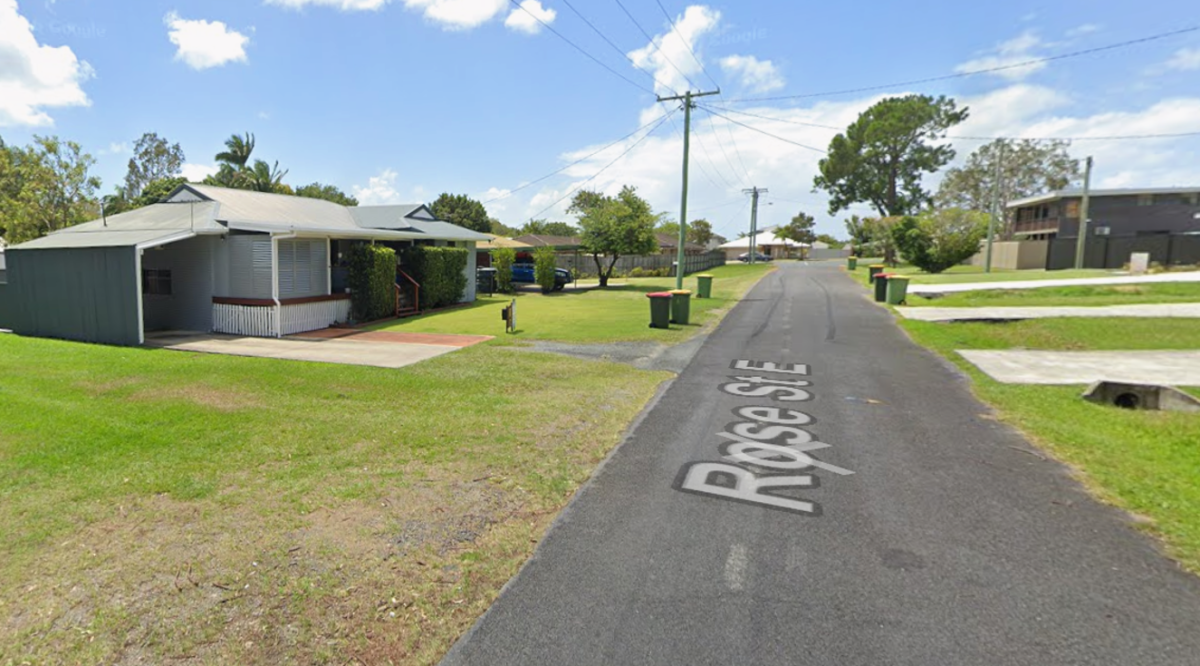
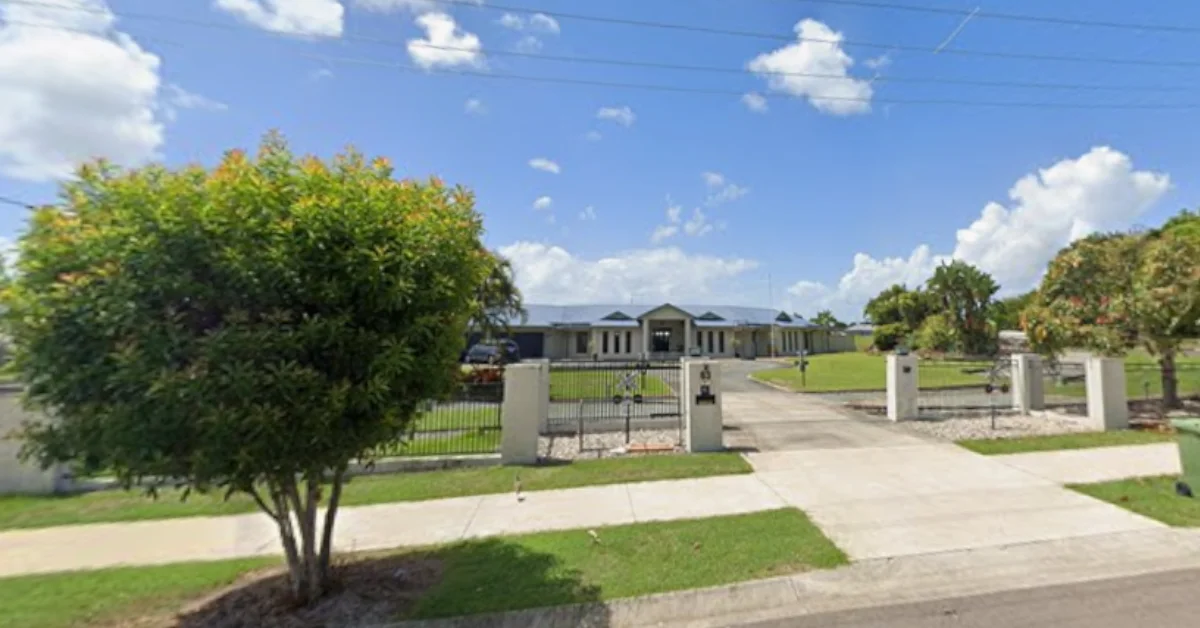
Emergency services worked throughout Sunday to contain a significant fire that destroyed multiple sheds at a Mango Hill property and prompted an emergency declaration in the surrounding area.
The blaze erupted at a property on Kinsellas Road West just before 6.30am on 28 December, with Queensland Fire Department crews arriving to find three sheds fully engulfed in flames.
Six fire crews attended the scene, battling the inferno until approximately 10.30am before bringing it under control. According to Queensland Fire Department, the sheds contained tyres and various other materials, with the burning rubber producing thick black smoke visible throughout the neighbourhood.
Queensland Police declared an emergency under the Public Safety Preservation Act shortly after 7am, encompassing Kinsellas Road West, Diamond Jubilee Way and Waler Close. The declaration was revoked at 10.56am, according to Queensland Police News.
During the emergency period, residents in the affected streets were asked to remain indoors with windows closed and air-conditioning systems set to recirculation mode where possible. Members of the public were urged to avoid the area.
Four people at the property were assessed by paramedics for minor injuries but none required hospitalisation.
Atmospheric testing conducted at the scene returned nil readings, indicating the air quality was safe, a Queensland Fire Department spokesperson confirmed.
By mid-afternoon, firefighters were still working to extinguish remaining hotspots and had requested specialist extraction equipment to reach areas of concern. Crews remained on scene into the evening to ensure the fire was completely extinguished. Fire investigators were also called to determine the cause of the blaze.
An excavator was brought in to help pull apart material within the sheds to allow firefighters better access to hotspots.
Several neighbours reported witnessing the dramatic scene unfold. Sam Sood, who was visiting family in the area for Christmas, said the fire erupted at the property directly behind his sister’s home.
Local resident Jekope Nuke indicated that rubbish was often burned at the property’s backyard.
Another neighbour, who wished to remain anonymous, said residents had previously lodged multiple complaints with the Moreton Bay Regional Council regarding smoke from burning activities at the property. The neighbour said complaints were made because smoke would drift into the neighbouring unit complex and had a chemical smell, but they were told the burning was technically contained within a steel drum and council could not take action.
Mr Sood mentioned his sister had previously raised concerns about chemical odours and several fires at the property.
Dozens of residents from the neighbouring unit complex were evacuated and unable to return for several hours while crews worked to control the fire.
The City of Moreton Bay Council was contacted for comment but did not respond by publication time.
North Lakes residents are on the official list for Queensland hardship grants after severe hail, with Mango Hill and Deception Bay included among eligible suburbs.
North Lakes residents and nearby suburbs, Mango Hill and Deception Bay, should confirm their address on the Queensland disaster site now to see if they qualify for hardship grants and local recovery support.
The state website lists those suburbs among eligible localities, and residents should check their address on the disaster assistance page to confirm eligibility.
Available Grants And What They Cover
The joint state and federal program includes emergency hardship assistance for essentials such as food and temporary shelter. Essential services hardship payments support people who lost power, water or sewage for more than five days. The essential household contents grant replaces items such as bedding and whitegoods for people who are uninsured or unable to claim.
The Essential Services Safety and Reconnection Scheme funds safety inspections and repairs to reconnect utilities. The Structural Assistance Grant provides up to $80,000 for uninsured, low income owner occupiers whose homes are structurally unsafe.
How To Apply And Where To Get Help
Residents should use the Queensland disaster form, enter their address from the list or enter it manually if needed, and supply identification and bank details. The form asks whether the residence is owned or rented.
Community recovery hubs operate across Moreton Bay and nearby regions, with pop up hubs listed for Bribie Island and Beachmere. People who need help with applications or who require welfare referrals can call the Community Recovery Hotline on 1800 173 349.
Local Services And Practical Recovery Support
Recovery staff at community hubs are offering application help and referrals to local services for mental health, financial counselling and safe clean up advice. Some councils arranged free green waste drop off for storm debris in affected areas, as reported by local media.
At St Benedict’s College Mango Hill, music is more than a subject — it has become part of the school’s heartbeat, thanks to the dedication of teacher Michael White. Since joining the college as a founding staff member in 2013, White has helped transform a modest school program into a dynamic music community that continues to grow each year.
Over time, his commitment and innovative approach have made music an essential part of the school’s identity. He has been recognised as a Highly Accomplished Teacher through the Brisbane Catholic Education (BCE) certification framework, which acknowledges educators who shape culture and inspire excellence across schools.
Performance That Builds Confidence
White’s approach centres on giving students opportunities to perform and express themselves. Under his guidance, lunchtime and morning-tea concerts have become regular fixtures on the school calendar, offering students in Years 9 to 12 the chance to perform for their peers. These performances help students set learning goals, build confidence, and experience the energy of live performance.
Since 2023, the program has expanded beyond the classroom. Music students now perform at school carnivals, often playing for up to three hours at a time. These sets feature wind and brass instruments and showcase the creativity and teamwork that define the college’s approach to the arts.
Photo Credit: Supplied
Inspiring the Next Generation
St Benedict’s College Principal Tameika Grist said the success of the music program reflects White’s long-term dedication and the belief that the arts can bring a school community together. She noted that the positive culture created around music has given students confidence and a sense of belonging.
Several graduates have continued their studies at the Griffith Conservatorium of Music and other universities, with some aspiring to become music educators themselves. White’s leadership has encouraged students to pursue their passion beyond the school gates, contributing to a growing network of young musicians connected by their Mango Hill roots.
The Highly Accomplished and Lead Teachers (HALT) certification recognises educators who demonstrate consistent excellence and influence in their schools. Within BCE, these teachers play a crucial role in driving innovation, mentoring peers, and improving classroom practice. White’s achievements at St Benedict’s College Mango Hill show how passion, persistence, and a commitment to students can spark long-lasting change across a community.
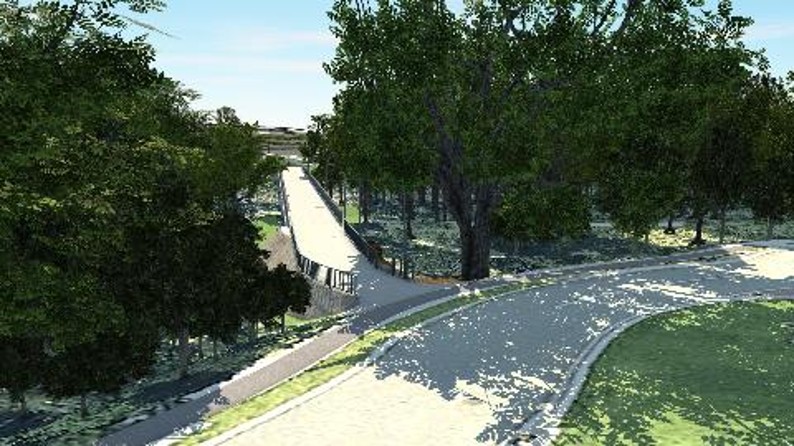
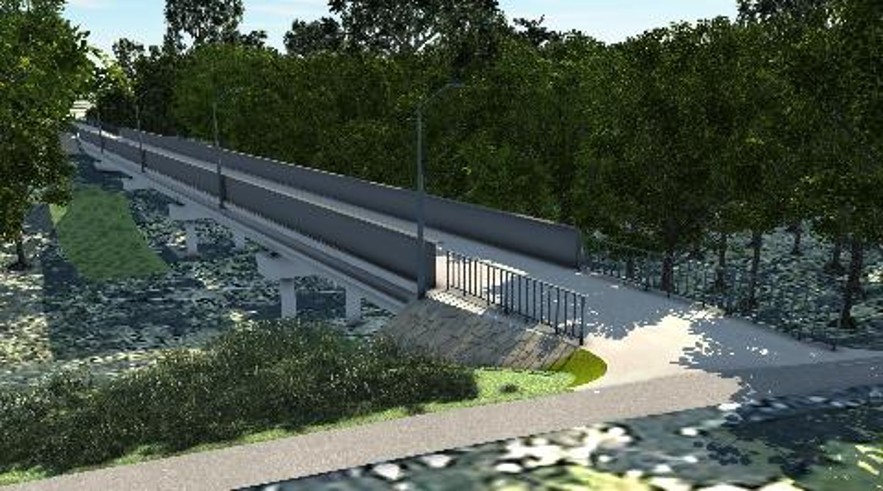
After more than a decade of local persistence, residents of Mango Hill are finally driving on a new $6.8-million ring road built to provide a vital second village exit and relieve major traffic headaches.
The new 165-metre road, which extends Lamington Road to connect with Capestone Boulevard across Anzac Avenue, was declared open to traffic early Wednesday morning. At 4:15 a.m., members of the local progress association were the first to officially cross the road, marking the completion of a project that began major construction in October 2023. This vital link is now fully integrated into the area’s ring road network, which includes Memorial Drive and Mango Hill Boulevard.
The project was engineered not just to solve today’s traffic problems but to lay a strong foundation for the region’s future. As Mango Hill and North Lakes continue to expand, this connection provides a much-needed second entrance to the Mango Hill Village, allowing residents to bypass the often-congested, state-controlled Anzac Avenue.
Beyond easing traffic for drivers, the council-funded project was designed to improve life for the entire community. It features a median-divided, two-lane road complete with new traffic signals, but also includes dedicated on-road cycle lanes to encourage active transport.
New pathways and pedestrian crossing facilities have been added to improve safety and convenience for walkers, creating better access to both the Mango Hill and Mango Hill East train stations. The addition of significant landscaping enhances the streetscape, creating a more appealing entranceway to the village and boosting community character. The road now offers a seamless and safe route for walking, cycling, and driving between the North Lakes and Mango Hill Village precincts.
This forward-thinking project was born from a long-term community effort. The Mango Hill Progress Association (MHPA) began its campaign for a second exit from the village back in 2013. The association’s president, Laurence Christie, stated that this was a milestone for the area that will ensure traffic flow does not become an issue as the community grows.
Mr. Christie expressed the MHPA’s appreciation for the council’s construction team, acknowledging the many challenges they overcame to finalise the work. He also recognised the strong support from Councillor Jodie Shipway, who championed the essential link. As a final touch to the community-led effort, the MHPA is now planning to mark the official placement of a new Mango Hill Village entry sign on Monday.