



Olympians Back Moreton Bay Rowing Proposal as 850 Homes Planned

Olympic athletes Emily Seebohm and Curtis McGrath have joined the campaign for a purpose-built rowing venue in Moreton Bay for the Brisbane 2032 Games, as the city highlights plans for 850 homes within the broader precinct.


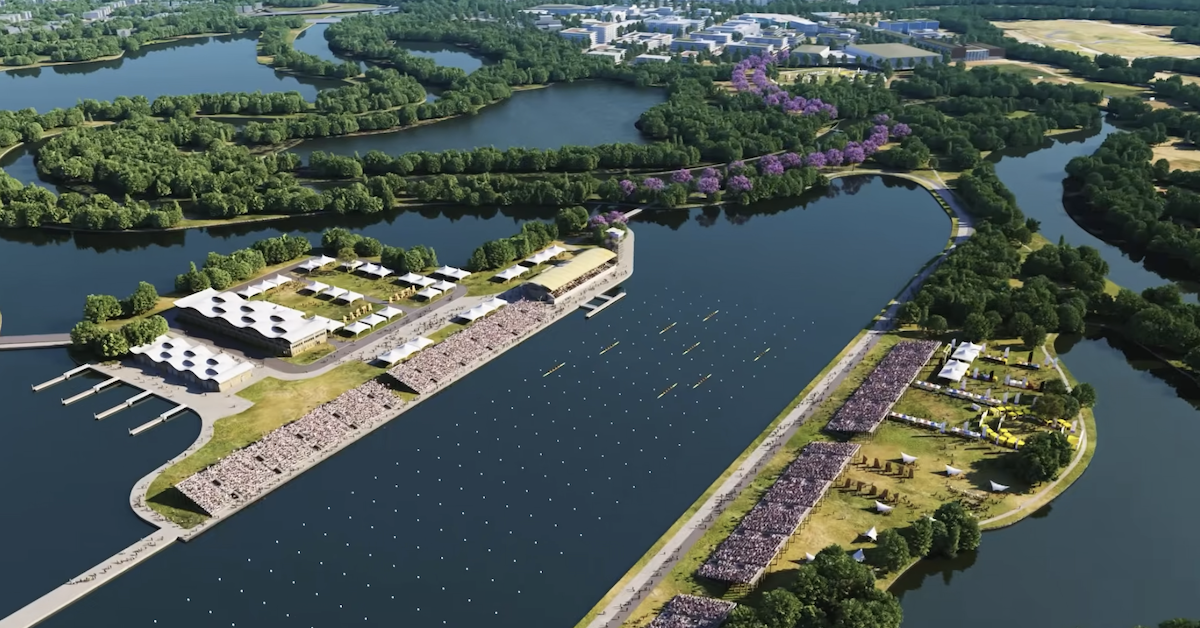
The proposal centres on the former Boral quarry site at Lawnton, near Petrie, which the City of Moreton Bay is promoting as a permanent flatwater venue for rowing and canoe sprint events. The site is being presented as an alternative to the preferred location on the Fitzroy River in Rockhampton.

Athlete support adds weight to the proposal

Seebohm and McGrath have appeared in promotional material backing the Moreton Bay bid.

McGrath has previously raised concerns about whether river conditions in Rockhampton would provide an even course for Olympic competition. In supporting the Moreton Bay plan, he pointed to the value of a purpose-built venue designed for consistent racing conditions.

Seebohm’s support focused on the long-term value of a permanent facility, including its potential use by future athletes and the wider community.

Their involvement gives the proposal added public profile as debate continues over where rowing and canoe sprint events should be staged in 2032.

Photo Credit: City of Moreton Bay/YouTube

Housing and legacy plans brought into focus

City of Moreton Bay has now placed greater emphasis on the precinct’s housing component, saying the development could deliver 850 homes through a staged rollout.

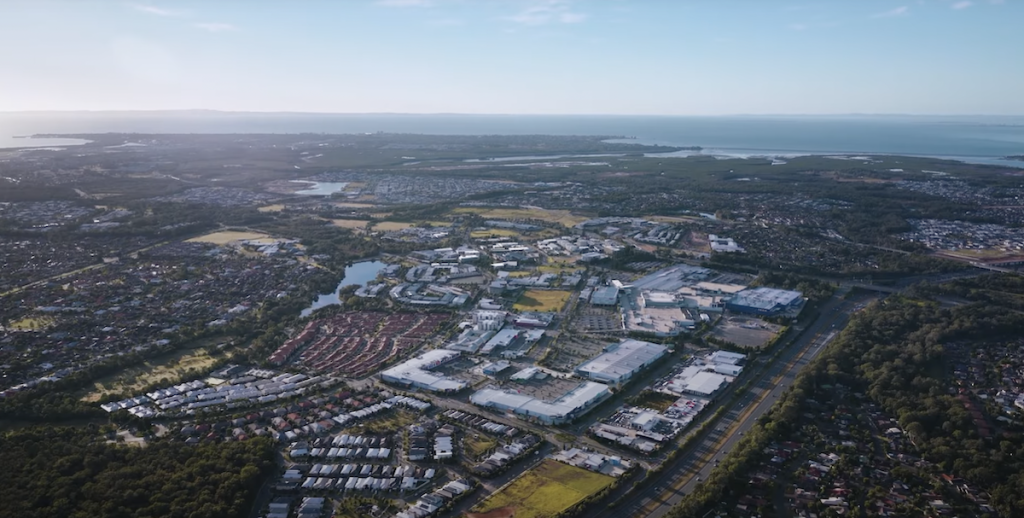
The project would combine the sporting venue with residential areas, commercial space, recreation facilities and transport links connected to Petrie railway station. The planned housing mix includes family homes, smaller options for downsizers and medium-density dwellings.

Photo Credit: City of Moreton Bay/YouTube

Mayor Peter Flannery said the proposal was intended to leave a lasting benefit for the region rather than serve only as Games infrastructure.

Council has also identified the possibility of student accommodation linked to the nearby University of the Sunshine Coast campus, arguing that the project could support both housing supply and future workforce needs.

Partnership with Boral

The proposal is being advanced as a public-private partnership involving Boral, which owns the quarry land.

Boral executive general manager Kate Jackson said the project showed how a former quarry site could be repurposed through coordinated planning involving industry, housing and education uses.

Council says the approach would allow Games-related investment to be tied to infrastructure with an ongoing local use after 2032.

Still an alternative to Rockhampton

While support for the Moreton Bay option is growing, Rockhampton remains the state’s nominated venue for rowing and canoe sprint events.

That plan is still subject to review by the International Olympic Committee, World Rowing and the International Canoe Federation.

But with athlete support, a housing component now clearly defined, and council continuing to press the legacy case, the Lawnton-Petrie site is being positioned as more than just a sporting venue.


Published 19-March-2026

New North Lakes Precinct Brings Five Star Hotel And Jobs

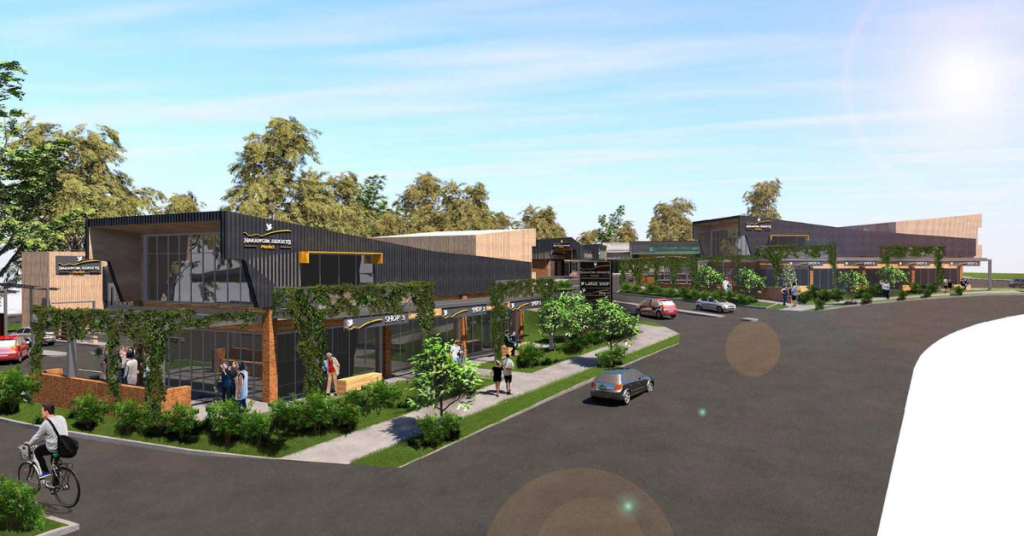
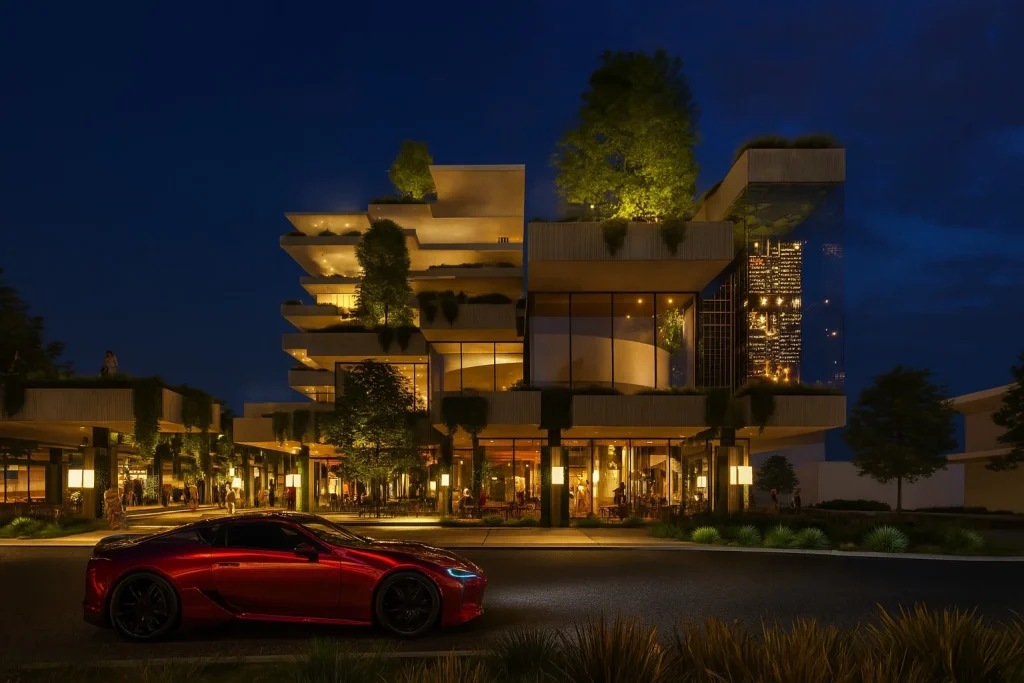
North Lakes is set for a major change as plans move forward for a new 130 room five star hotel and dining precinct, a project expected to reshape the centre of the community and boost local jobs.


Project Background

The development comes after the City of Moreton Bay awarded a land tender for a 1.72 hectare site near the heart of North Lakes. The Comiskey Group, known for creating hospitality and lifestyle venues across Queensland, will lead the project with designs prepared by Bureau Proberts. 

The council’s aim is to bring more visitors into the area and support local businesses, especially as the region grows.

What The Precinct Will Include

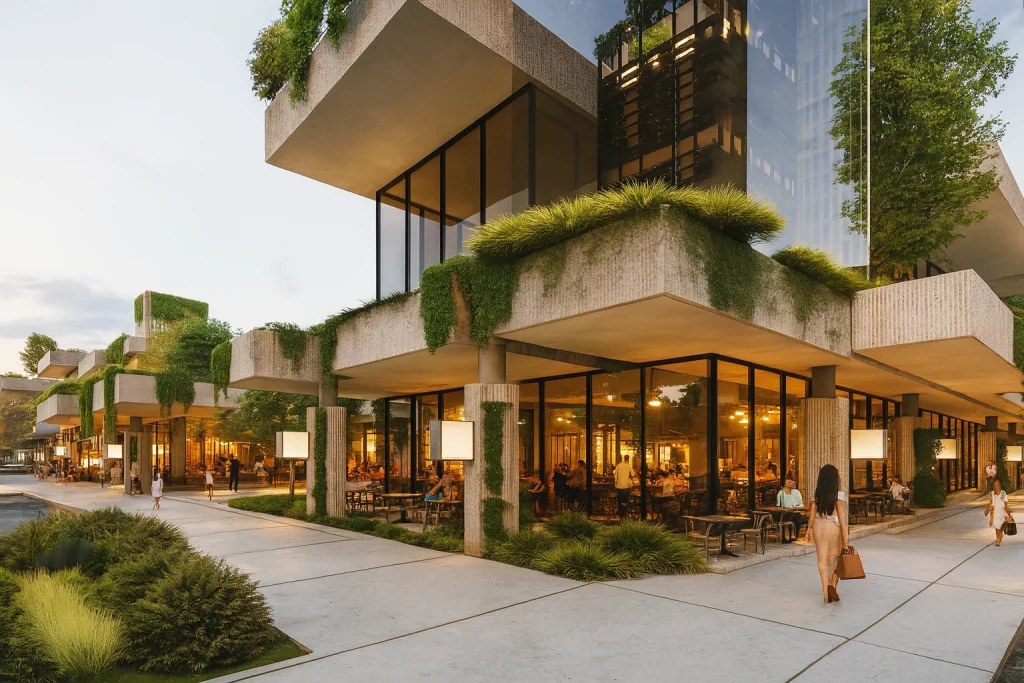
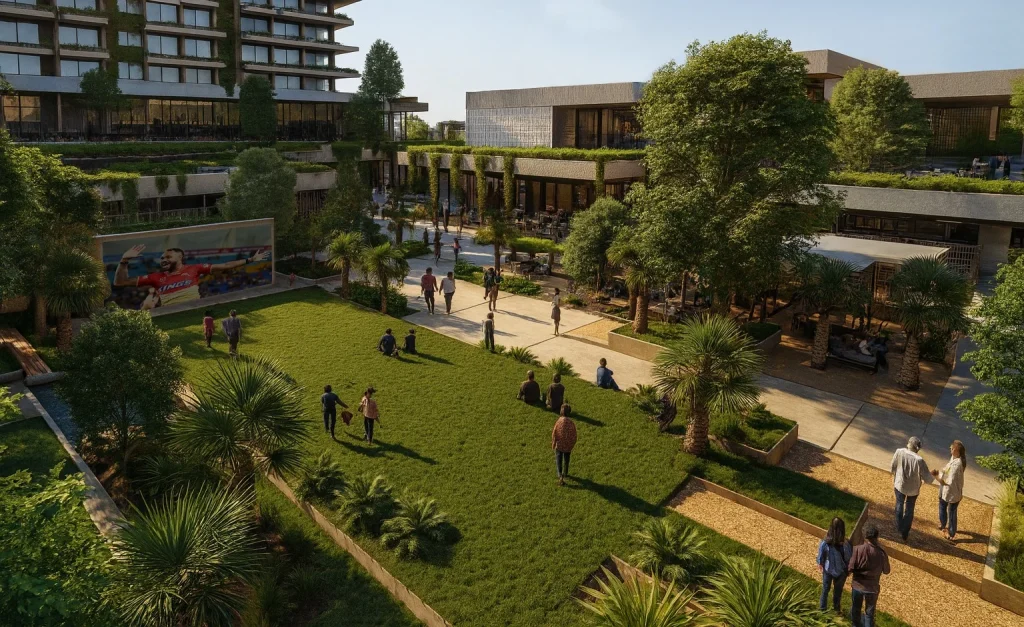
The proposal outlines a five star boutique hotel, restaurants, boutique retail spaces, and wellness facilities. Plans also include a large green public area and event spaces that can host up to 800 people. 

The precinct has been described as an attraction that will give residents more dining choices and create new reasons for day visitors to spend time in North Lakes. The Comiskey Group states that the project is designed to feel connected to the town centre and offer a mix of leisure and community focused spaces.

Economic Impact On The Community

Council estimates suggest the project will bring hundreds of jobs during construction and after it opens. Forecasts say the development may add more than $500 million to the local economy within the first five years. 

Officials view these outcomes as a way to support workers and nearby businesses. With large events becoming more common across the region, the hotel is expected to help meet demand for accommodation.

What Comes Next

Detailed designs and approval steps are planned to progress before construction starts. The project timeline points to building work starting in 2026, depending on final approvals. No development application has been listed publicly yet. 


The council and the developer are expected to release more information as plans move forward. Residents are encouraged to follow updates through council channels to stay informed about the progress of this new addition to North Lakes.

Published 14-November-2025

Mango Hill Urban Village to Bring 23 Towers and Thousands of Homes to North Lakes

A major transformation is on the horizon for Mango Hill as the Pace family, who have transitioned to property development, lodges plans for a 10.4-hectare urban precinct featuring 23 towers and over 2,300 apartments.


The proposal (DA/2025/1375) envisions a dense, transit-oriented urban village at 1785–1813 Anzac Avenue, directly linked to Mango Hill train station and Westfield North Lakes.

From Egg Producers to City Builders

Pace Farm, formerly Australia’s second-largest egg producer based in Sydney, was sold to investment firm Roc Partners in 2023 for approximately $350 million. The Mango Hill site, once a pine plantation cleared in the 1990s, forms part of the Mango Hill Infrastructure Development Control Plan (DCP), adopted in 2011, which earmarked the area for intensive urbanisation with up to 25,000 new homes.

The family’s latest move reflects a broader national trend—repurposing strategic inner-suburban sites into high-density, mixed-use communities.

Photo Credit: DA/2025/1375

The project is set to function as a major employment hub and catalyst for regional economic growth by combining residential and commercial components within the towers.

Project Snapshot

  • Developer: The Pace family (former owners of Pace Farm)/Mango Hill Property Pty Ltd
  • Architect: Archipelago
  • Towers: 23 (ranging from 8 to 30 storeys)
  • Residential Units: 2,329 apartments
  • Commercial Space: 118,023 sqm
  • Retail & Dining: 6,600 sqm
  • Green Space: 1.23 hectares including pedestrian corridors
  • Job Creation: Estimated 12,000

Planning History and Evolution

An earlier version of the plan, approved in 2018, included 13 towers and 715 dwellings. The current proposal more than triples residential capacity, in line with upgraded transport connectivity and regional growth targets.

Located just 400 metres from the Mango Hill train station, the proposal integrates a “green spine” pedestrian and cycling network that will link key commercial, retail and residential zones. The project also includes intersection upgrades and improved public access to Anzac Avenue.

Mango Hill
Photo Credit: DA/2025/1375

Environment and Community

While 14 trees—including 11 mango trees—are slated for removal to facilitate road upgrades, the developer has pledged comprehensive landscaping and replanting efforts across more than 12,000 square metres of open space.

Community consultation is expected to begin mid-year, with stakeholders calling for a balance between growth and livability.

Urban planning experts say the Mango Hill proposal mirrors other successful mixed-use hubs across southeast Queensland, such as Springfield and Coomera.

Photo Credit: DA/2025/1375

What Happens Next

Moreton Bay’s population has surged in recent years, and Council predicts the area will need thousands of new homes. The urban village aims to ease pressure by placing high-density housing close to trains, shops and jobs, aligning with a long-term plan set in 2011.

The application is under review by Moreton Bay Regional Council. If approved, the village could house 5,000 people and help locals stay closer to home for work and services.


Published 11-May-2025