





Residents are making their voices heard as the Mango Hill Urban Village proposal undergoes public consultation, with several locals raising serious concerns about the scale and impact of the 23-tower development.
Read: Mango Hill Urban Village to Bring 23 Towers and Thousands of Homes to North Lakes
The project, proposed by the Pace family for a 10.4-hectare site on Anzac Avenue, has attracted pushback from community members worried about traffic congestion and infrastructure strain.
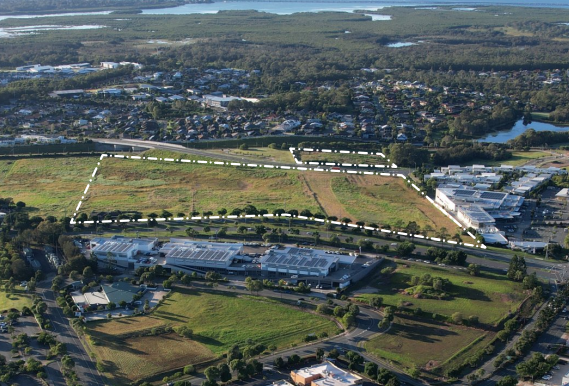
The development application (DA/2025/1375), currently before the City of Moreton Bay, seeks approval for 2,329 apartments across towers ranging from eight to 30 storeys—more than triple the 715 homes approved for the same site in 2018.
Infrastructure Concerns Dominate Feedback
Some residents have formally submitted concerns about increased traffic pressure on local roads, with one resident bluntly stating: “Current infrastructure in the area, roads, parking parklands and schools are not sufficient for the current population as of now. Anzac Ave is choking with current traffic levels and can’t accommodate more (Bruce Hwy is worse).”
The sentiment reflects broader anxiety about whether existing infrastructure can handle the influx of thousands of new residents to the area.
The developers propose a new intersection and public road network connecting to Anzac Avenue and Bowen Street as part of the project. They point to the site’s location just 400 metres from Mango Hill train station as a key feature of their transit-oriented development approach.
Vision for Growth
The Pace family, who transitioned to property development after selling their egg business in 2023 for a reported $350 million, argue the region needs this kind of transformation.
In their submission to council, the developers stated the original 2018 plans, still unbuilt, failed to capitalise on the site’s unique opportunities near major transport infrastructure. They maintain the current proposal would deliver significant economic and lifestyle benefits that the lower-density version could not achieve.
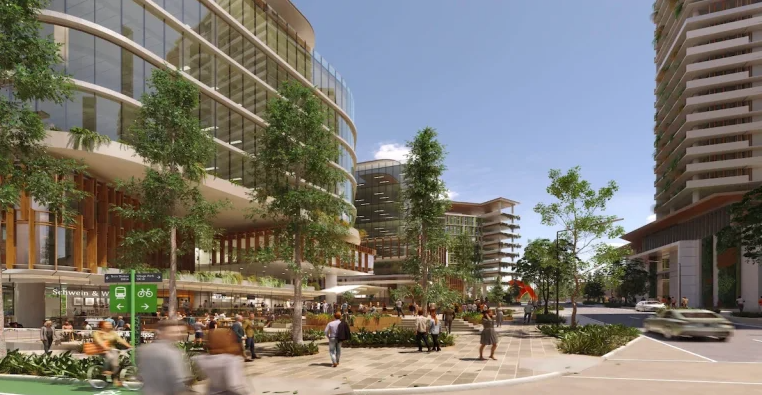
Beyond residential towers, the proposal includes 118,000 square metres of commercial floorspace and 6,600 square metres dedicated to food, beverage and small retail operations at ground level. The developers estimate the project could create approximately 12,000 jobs—a substantial boost to the local economy.
A “green spine” pedestrian and cycling network would connect various zones within the precinct, along with 1.23 hectares of green space and pedestrian corridors designed to create a walkable urban environment.
Addressing the Housing Shortage
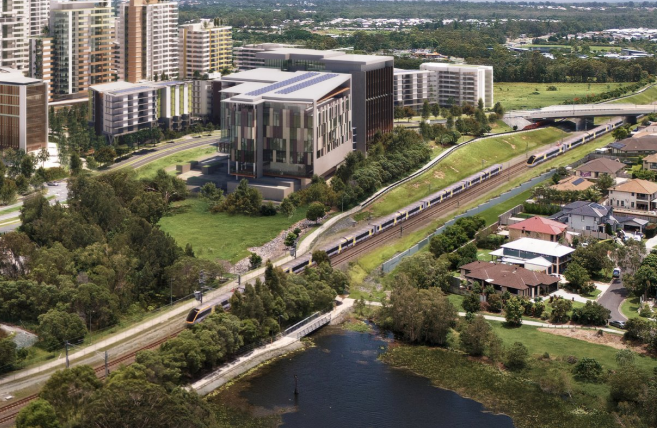
The developers have pointed to Moreton Bay’s housing composition as justification for high-density development. With 81 per cent of the region’s housing stock consisting of more expensive detached homes, they argue the towers would provide much-needed options for young professionals and couples priced out of the traditional housing market.
Moreton Bay’s population of 500,000 is projected to grow by 200,000 residents over the next 20 years, making it one of Australia’s fastest-growing regions. The developers contend that high-density developments near transport hubs are essential to accommodate this growth sustainably.
However, when questioned by council, the developers made no commitments to affordable housing minimums, raising questions about whether the units will genuinely serve those struggling with housing costs.
Heritage Trade-offs
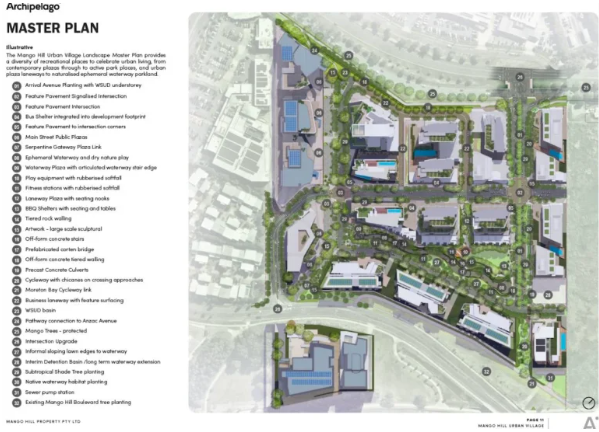
The proposal would require removing three mango trees from the central island of Anzac Avenue to accommodate new road infrastructure. These trees hold historical significance, having been planted as part of a World War I memorial project that employed returned servicemen and honoured fallen comrades.
The developers have proposed planting 82 new mango trees across the site to offset the loss of 12 trees in total, though the heritage connection may prove difficult to replicate.
What Happens Next
Three additional submissions were rejected by council for not being properly lodged, suggesting there may be broader community interest in the proposal that hasn’t been formally captured.
The developers initially requested a 20-year approval period but scaled this back to 10 years after council queries—a move that may reflect recognition of community concerns about locking in such a long development timeline.
As the public submission period continues, the City of Moreton Bay faces the challenge of balancing resident concerns about infrastructure with the need for housing diversity and economic development in one of Queensland’s fastest-growing regions.
Read: Debate Grows Over Proposed School on Former North Lakes Golf Course
The City of Moreton Bay will make a decision on the application following the conclusion of the public submission period.
Published 31-December-2025


