


Volunteer Numbers Set to Rise with New Deception Bay Base

Disaster response in Deception Bay has received a massive boost with a new multi-million dollar headquarters that will more than double the number of local volunteers able to train and respond during severe weather.


Boosting Local Safety
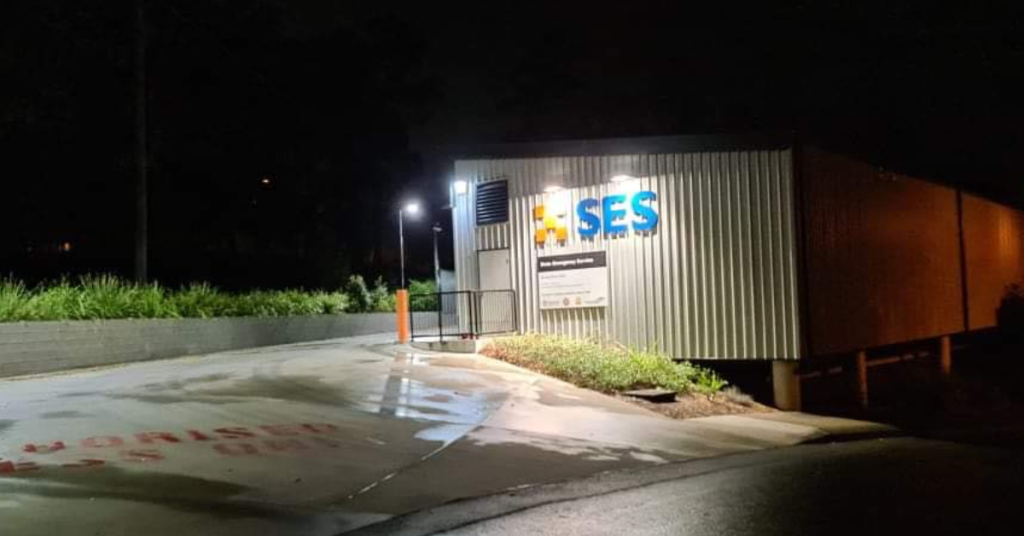
The Deception Bay State Emergency Service (SES) Group has officially moved into a new facility at 12 Old Bay Road. This project comes at a critical time as Queensland enters its severe weather season. 

Delivered through a partnership between the state and local governments, the $3.75 million depot is designed to strengthen disaster readiness for the entire Moreton Bay City area. The new base replaces older infrastructure and provides a modern space for a group that has served the community for four decades.

Room to Grow
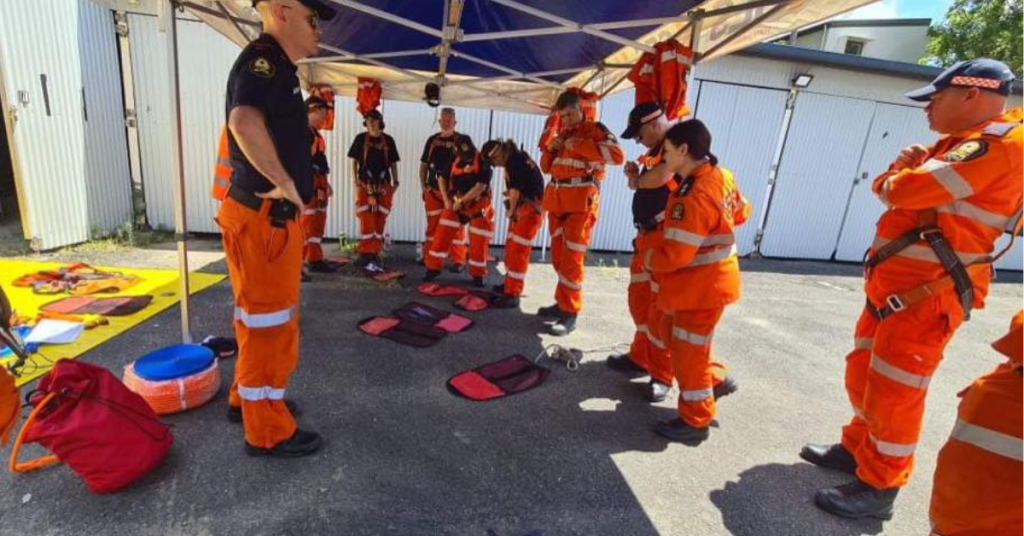
A major benefit of this upgrade is the immediate increase in training capacity. Previously, the group could only accommodate 50 members for training sessions, but the new building allows up to 120 volunteers to train each night. This expansion supports a current recruitment drive, with the unit looking to add 35 new volunteers to its ranks. The facility services a wide region stretching from Deception Bay out to Laceys Creek in the west.

Better Tools for the Job
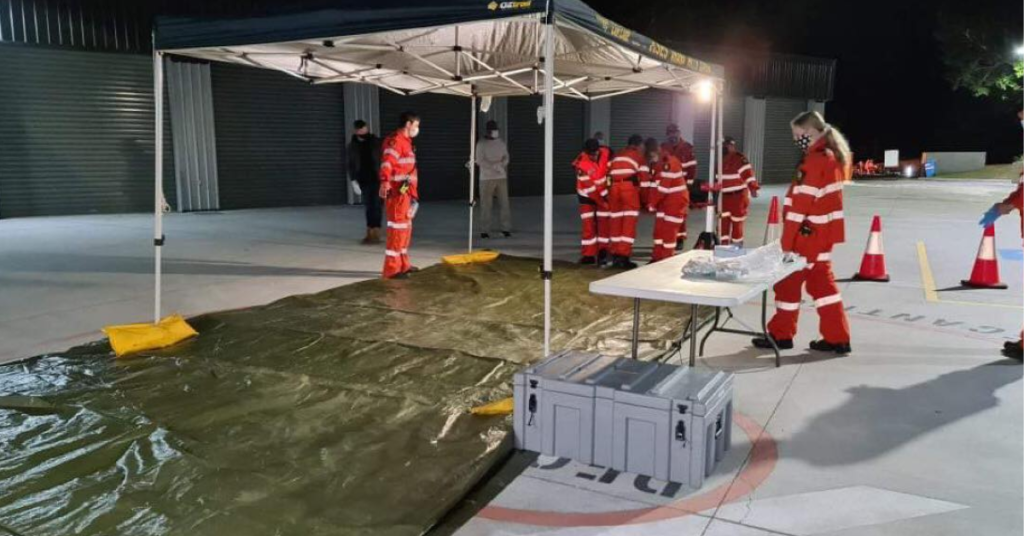
The depot includes expanded storage and specialized operational areas. It is built to house a larger fleet of rescue vehicles, including flood boats, all-terrain vehicles, and general response cars. Beyond just storage, the site features dedicated command capabilities that allow for better coordination during emergencies.

Police and Emergency Services Minister Dan Purdie indicated that the new design focuses on giving volunteers the right tools and space to do their jobs safely. He noted that while the weather cannot be controlled, ensuring volunteers have proper facilities is essential for them to face dangerous conditions.


Supporting Volunteer Well-being

SES Chief Officer Dr Mark Armstrong highlighted that the building does more than just store equipment. He explained that the facility provides a functional and safe environment for members to plan and operate. According to Armstrong, this support is vital for maintaining the physical and mental well-being of volunteers who give up their personal time to protect the community during crises. 

The upgrade reflects the growth of the service across the state, which has seen active membership numbers rise to over 5,300 people in the last year.

Published Date 12-December-2025
Dakabin Blackout Misery as Heatwave and Storms Hit Queensland at Once

Residents in Dakabin said it felt like “living in a sauna” after the power went out just after 7:00 p.m., leaving homes sweltering in the evening heat.


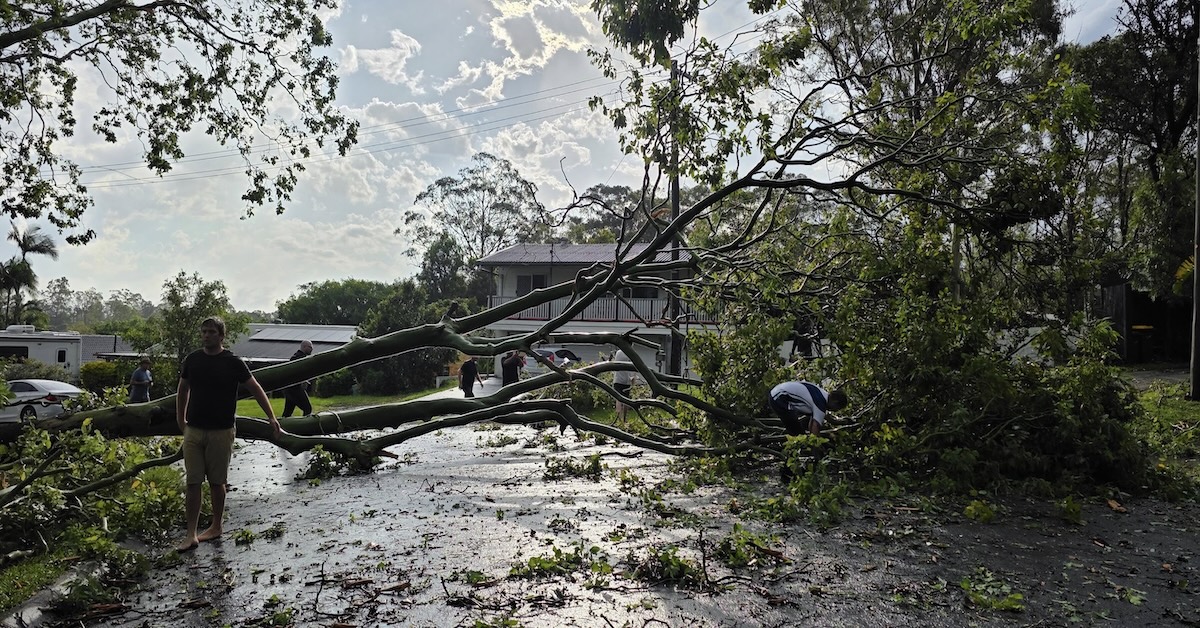
Homes in Dakabin were plunged into darkness just after 7:00 p.m. this week as another line of severe storms rolled across south-east Queensland. With air conditioners and fans suddenly cut off, residents took to social media to vent about the stifling conditions.

“To everyone in Dakabin who is currently living in a sauna, I think I’m definitely buying a generator,” one resident wrote in a Facebook group.

The outage in Dakabin came on top of days of rolling storms and blackouts across the region. By early Friday morning, 28 November, more than 3,000 homes and businesses across Queensland were still without power, including hundreds in Brisbane and more than a thousand in the City of Moreton Bay.

Storms, blackouts and brutal humidity

Thursday’s storms were the fifth straight day of severe weather for south-east Queensland. Thunderstorms swept repeatedly across Brisbane, Ipswich, Logan, the City of Moreton Bay and the Gold Coast, bringing hail up to 4–5 centimetres in places, destructive wind gusts and almost two million lightning strikes recorded between Sunday and Thursday.

Residents described homes turning into “saunas” after the power went out, with hot, humid air hanging in the still rooms through the night. With no air-conditioning and limited ability to cool down, households were left to ride out the conditions in the dark.

Power crews worked to repair downed lines and damaged infrastructure, with repeated storm cells and widespread damage affecting restoration efforts across the south-east. In some areas, lines were still down late into the week, forcing families to throw out spoiled food and find ways to cope with the heat without power.

Heatwave on top of a storm belt

The blackout in Dakabin did not happen in isolation. Queensland is in the grip of a severe heatwave, with temperatures running between 2 and 8 degrees above the November average in many areas.

In the Greater Brisbane region, the mercury climbed into the mid-30s, with the “feels like” temperature nudging 40 degrees at times as humidity surged. Brisbane reached 33.8 degrees just before 2:00 p.m. on Thursday, while Amberley hit 35.5 degrees with an apparent temperature close to 38.4 degrees. Further inland, towns such as Birdsville, Longreach and Julia Creek topped 40 degrees, as hot air from central Australia spread across Queensland and New South Wales.

Meteorologists say that combination of heat and moisture has fuelled the repeated storms hitting Queensland this week. A hot, humid air mass sits over the state like a lid, while a low-pressure trough moving in from the west acts as a trigger, helping to “knock over the first domino” and kick off severe thunderstorms.

Low to severe-intensity heatwaves are continuing across central and eastern Queensland, with severe conditions affecting the north tropical coast, central coast, Wide Bay/Burnett coast and the south-east coast, extending into northern New South Wales. Authorities warn that the heat is making it difficult for people to manage heat stress, particularly during extended periods of hot days and warm nights.

Warnings to stay cool and stay prepared

The Bureau of Meteorology has urged residents across south-east Queensland to take the heat and storms seriously, advising people to stay indoors where possible, stay hydrated and check in on vulnerable family and neighbours. Severe thunderstorms are expected to be most likely from late morning to late afternoon, with the possibility of continuing into the evening in some areas.

Fire danger ratings remain high in several inland districts, including the Central Highlands and Coalfields, Central West, Channel Country, Darling Downs and Granite Belt, Maranoa and Warrego, and Northern Goldfields and Upper Flinders. In the south-east, fire danger is lower, but authorities say the combination of storms, wind, heat and lightning remains a hazard.


Daily routines continue between storm cells, even as neighbours swap stories about the blackout and how they coped without power. With forecasters warning of more storms on the way and heat lingering into the weekend, Dakabin’s “sauna” week may not be the last time the suburb faces hot conditions during a blackout.

Published 28-Nov-2025