Deception Bay State High School has received a $10,000 grant to strengthen its percussion music program, becoming one of five schools nationwide to be awarded in 2025.
Deception Bay State High School has been awarded a 2025 Yamaha Great Start Grant, joining four other schools across Australia. The grant, announced by Yamaha Music Australia on 30 May 2025, is part of a national initiative aimed at supporting school drum and percussion programs.
Photo Credit: Yamaha
Equipment and Program Details
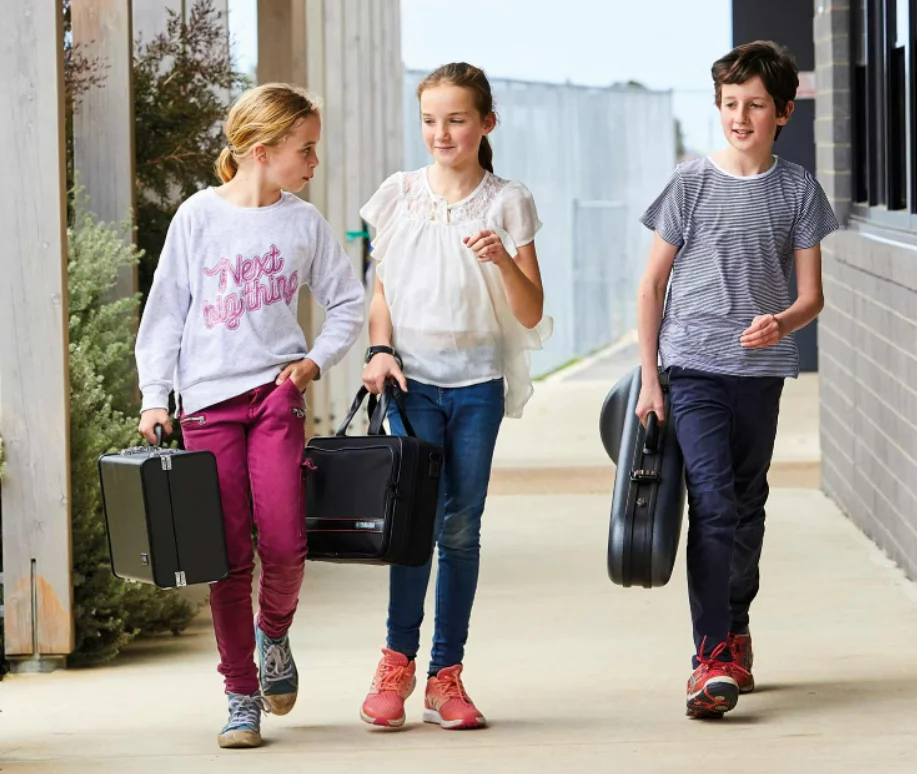
The school plans to use the $10,000 funding to purchase timpani and snare drums. These additions are expected to enhance the school’s percussion studio, which already supports a marching drumline alongside other ensembles. Currently, around 70 students from Years 7 to 12 are involved in the school’s instrumental music program, with 20 participating in percussion.
Grant Objectives and Rationale
Yamaha’s Great Start Grant focuses on supplying schools with Yamaha drum kits, percussion instruments, Paiste cymbals, and other accessories to enrich music education. Deception Bay’s application, led by percussion specialist Bec Quain during her first term, was selected based on its potential to transform the school’s music offerings and increase student engagement.
Photo Credit: Yamaha
Community Support and Vision
According to the school’s acting Head of Arts, the grant represents a significant opportunity for students and helps reduce financial barriers to participation. The school absorbs most program costs to ensure accessibility. There are also plans to grow the program further, strengthen partnerships with local primary schools, and increase real-world performance opportunities.
The Yamaha grant is expected to play a key role in expanding music access and enhancing student experience at Deception Bay State High School. As part of a broader commitment to inclusive education, the initiative may set the foundation for further growth in arts engagement across the region.
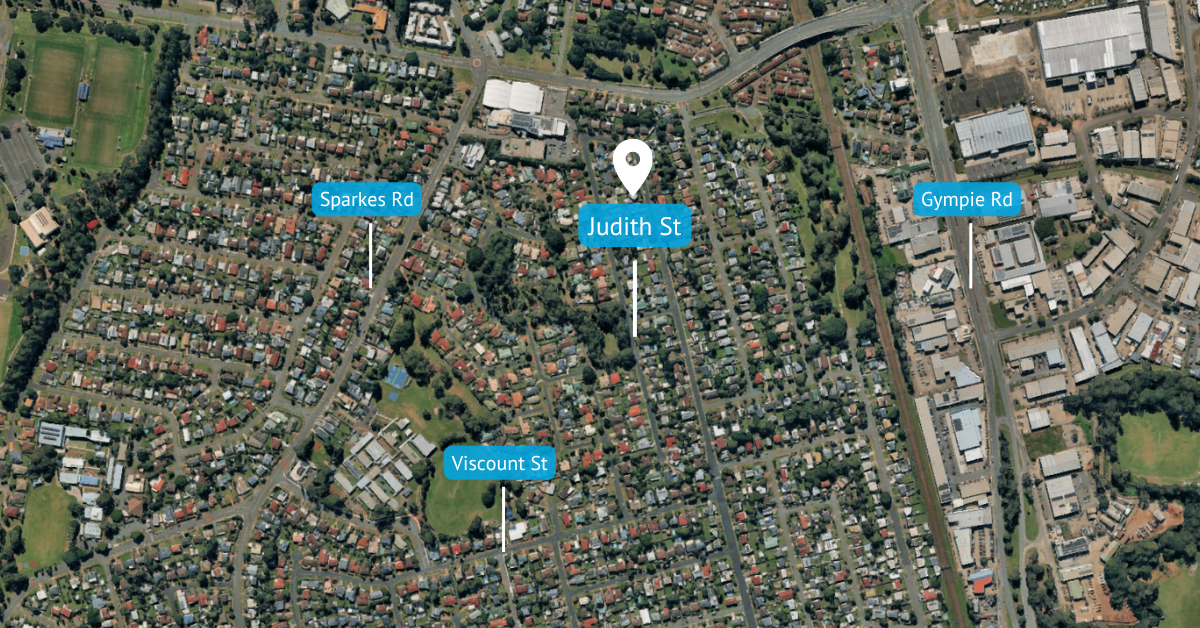
Judith Street sits quietly in the heart of Bray Park, a residential enclave that has witnessed the suburb’s transformation from rural outpost to established community. Named in an era when local streets often carried personal significance, Judith Street has become home to families who have watched the area evolve around them, many choosing to stay for well over a decade.
The street’s character reflects a broader shift across Bray Park. What was once open land on the northern fringe of Brisbane’s sprawl has matured into a neighbourhood where stability and community connection define daily life. The residents of Judith Street have been part of that story, building lives in homes that have appreciated significantly in value whilst retaining the suburban appeal that first drew them here.
Unlike some of the area’s more prominent roads, Judith Street has maintained a quiet residential profile. There are no major landmarks or institutional buildings here—just homes, gardens, and the rhythms of neighbourhood life. Yet that simplicity is precisely what has made it enduring. In a region that has seen rapid development, Judith Street represents the established heart of Bray Park, where generational ties and long-term residence are the norm rather than the exception.
Judith Street, Bray Park Residents
NUMBER OF PROPERTIES: 44 houses, 2 others % OF OWNER OCCUPIERS ON STREET: 80% AVERAGE TIME FOR OWNER OCCUPIERS: 15 years and 3 months % OF PEOPLE 10+ YEARS: 63%
Judith Street, Bray Park – As It Looked in 1936
SOME RECENT SALES ON JUDITH STREET, BRAY PARK
Property Address
Sale Price
Sale Date
49 Judith Street, Bray Park
$930,000
Oct 2025
11 Judith Street, Bray Park
$925,000
Jul 2025
3 Judith Street, Bray Park
$1,100,000
Apr 2025
SOME TYPICAL PROPERTY SALES ON JUDITH STREET FROM YESTERYEAR
Property Address
Sale Price
Sale Date
41 Judith Street, Bray Park
$79,000
May 1996
16 Judith Street, Bray Park
$55,000
Jun 1995
Lot 3 Judith Street, Bray Park
$105,000
Mar 1993
SUBURB PROFILE
The median price of a 3 Bedroom House in Bray Park in 2025 was $807,000 The median price of a 3 Bedroom House in Bray Park in 2021 was $470,000 TYPICAL INCREASE OF A 3 BEDROOM HOUSE IN BRAY PARK SINCE 2021: $337,000
The median price of a 4 Bedroom House in Bray Park in 2025 was $862,000 The median price of a 4 Bedroom House in Bray Park in 2021 was $505,000 TYPICAL INCREASE OF A 4 BEDROOM HOUSE IN BRAY PARK SINCE 2021: $357,000
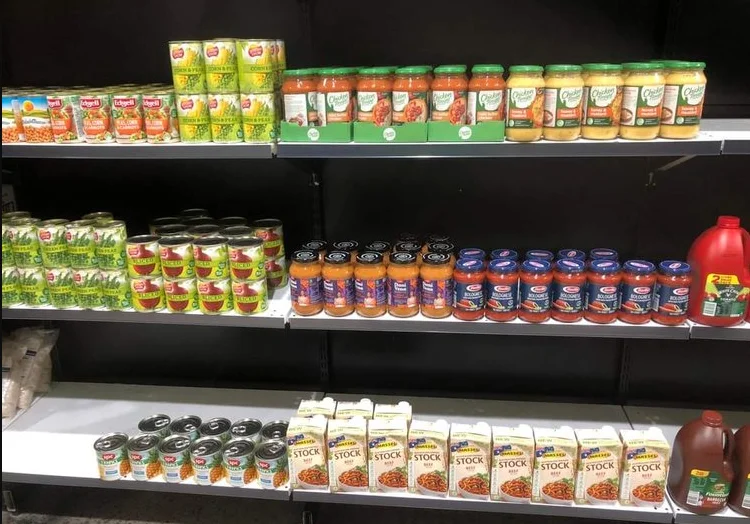
Kingdom Makers Food Outlet is a registered not-for-profit charity operating in North Lakes. It provides low-cost groceries and offers free bread and vegetables to the community. The organisation is planning to expand its operations and is seeking community support to secure a larger facility.
To assist with fundraising efforts, the group is holding a gala day on Saturday, 9 August 2025, from 10:00 a.m. to 2:00 p.m. at Kallangur Community Hall. The event will feature a variety of attractions open to the public.
Activities and Fundraising Efforts
The gala will include a garage sale, a $1 clothing sale, food and coffee stalls, a bake sale, and raffles. Discounted haircuts will also be available for $20 on a first-come, first-served basis. All proceeds will go towards funding a new, larger premises for the charity’s operations.
Photo Credit: Kingdom Makers
Organisation’s Broader Mission
The charity is part of a Christian community group with a stated mission to help people come to know God and live out their faith. Its beliefs include the authority of the Bible, the role of the Holy Spirit in daily life, and the importance of service to others. These values underpin the group’s outreach activities, including the food outlet, which aims to support families materially while also offering a faith-informed environment.
Community Involvement Encouraged
Organisers are calling on residents in North Lakes and surrounding suburbs to attend the event, contribute to fundraising efforts, and help spread awareness. The event is positioned as a family-friendly opportunity for the public to get involved in a local cause.
Funds raised from the gala will be directed towards acquiring a new facility, which the group believes will enable them to meet growing demand. Ongoing community engagement is expected to play a key role in the success of this initiative.
After more than a decade of local persistence, residents of Mango Hill are finally driving on a new $6.8-million ring road built to provide a vital second village exit and relieve major traffic headaches.
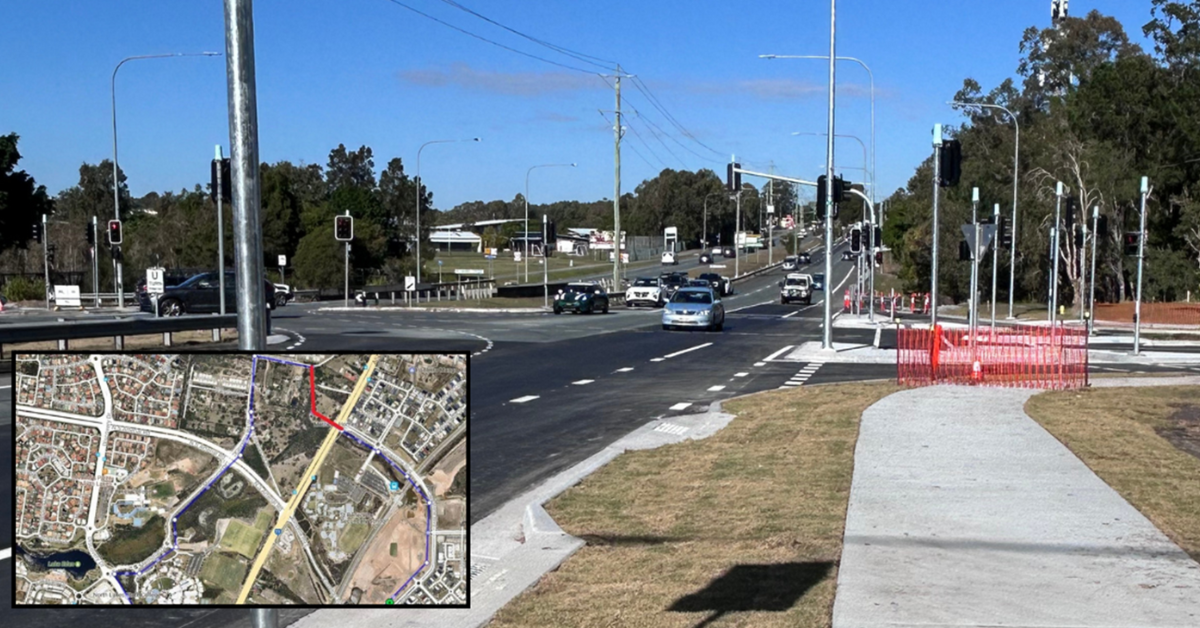
The new 165-metre road, which extends Lamington Road to connect with Capestone Boulevard across Anzac Avenue, was declared open to traffic early Wednesday morning. At 4:15 a.m., members of the local progress association were the first to officially cross the road, marking the completion of a project that began major construction in October 2023. This vital link is now fully integrated into the area’s ring road network, which includes Memorial Drive and Mango Hill Boulevard.
The project was engineered not just to solve today’s traffic problems but to lay a strong foundation for the region’s future. As Mango Hill and North Lakes continue to expand, this connection provides a much-needed second entrance to the Mango Hill Village, allowing residents to bypass the often-congested, state-controlled Anzac Avenue.
Beyond easing traffic for drivers, the council-funded project was designed to improve life for the entire community. It features a median-divided, two-lane road complete with new traffic signals, but also includes dedicated on-road cycle lanes to encourage active transport.
New pathways and pedestrian crossing facilities have been added to improve safety and convenience for walkers, creating better access to both the Mango Hill and Mango Hill East train stations. The addition of significant landscaping enhances the streetscape, creating a more appealing entranceway to the village and boosting community character. The road now offers a seamless and safe route for walking, cycling, and driving between the North Lakes and Mango Hill Village precincts.
This forward-thinking project was born from a long-term community effort. The Mango Hill Progress Association (MHPA) began its campaign for a second exit from the village back in 2013. The association’s president, Laurence Christie, stated that this was a milestone for the area that will ensure traffic flow does not become an issue as the community grows.
Mr. Christie expressed the MHPA’s appreciation for the council’s construction team, acknowledging the many challenges they overcame to finalise the work. He also recognised the strong support from Councillor Jodie Shipway, who championed the essential link. As a final touch to the community-led effort, the MHPA is now planning to mark the official placement of a new Mango Hill Village entry sign on Monday.
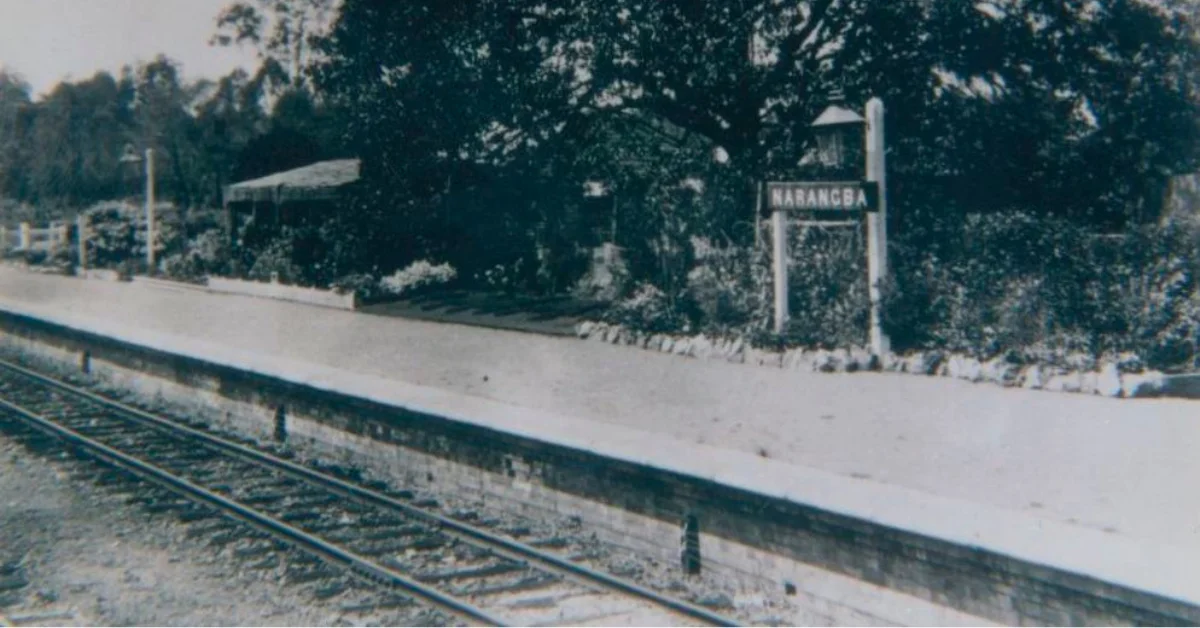
Narangba Train Station has played a central role in the suburb’s transformation. It began in the 19th century and continues today as a key transport hub.
Narangba Train Station was originally opened in 1888 as Sideling Creek Station. It was located in what was then referred to as the Stoney Creek area. The station’s name was later changed to Narangba, derived from an Aboriginal word meaning “small ridge”. This name described the natural terrain surrounding the site.
Rail access encouraged development in the region. It eventually formed the foundation of the township around the station. By the late 1920s, the station also housed the local post office. It sat at the centre of a small community that included a public hall, general store, newsagency, and school.
During the early to mid-20th century, Narangba Train Station became known for its award-winning gardens. From 1922 to 1944, station master Norman Rose managed the station’s landscaping. Under his care, the gardens won first prize in competition for seven consecutive years, from 1927 to 1933.
The platform displayed the station’s name spelled out in coloured irises. Each letter was framed by a green-painted tyre. Beside this, a bush house featured a variety of plants. These included ferns, staghorns, creepers, orchids, and flowering species. The display created a distinctive botanical setting for commuters.
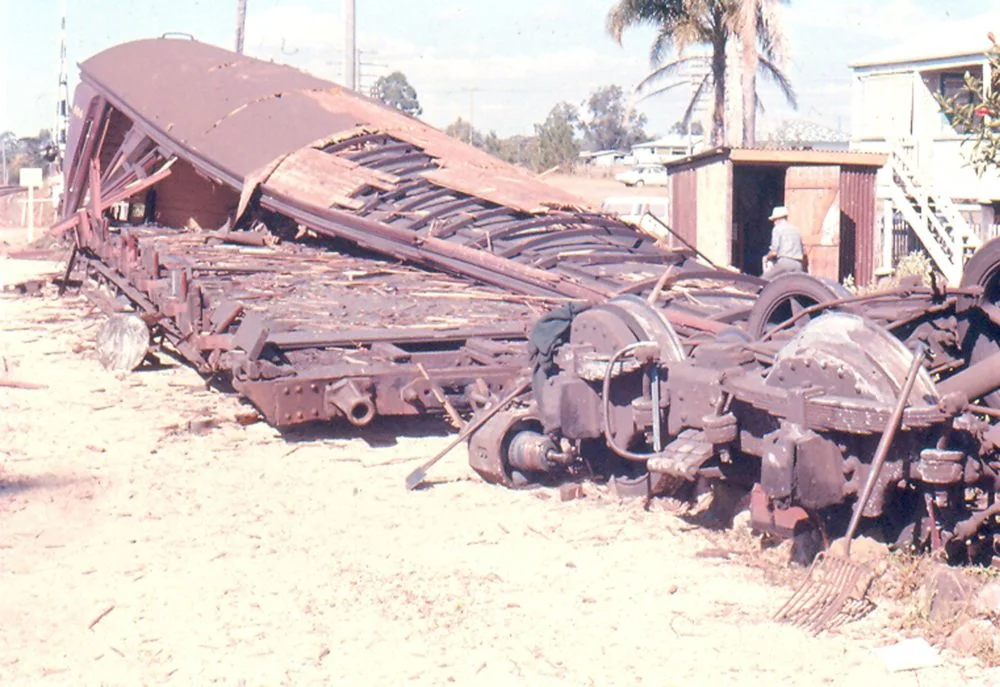
On 9 June 1970, a fatal train collision occurred at Narangba Station. One train struck the rear of a stationary suburban train. Two passengers were killed.
The incident raised concerns about the safety of wooden-bodied rolling stock, known as the Evans carriages. These carriages continued operating on suburban services until they were fully withdrawn in 1986.
The area surrounding Narangba was once dominated by agriculture. It was used for dairy farming and crop cultivation. Early settlers such as Joseph Delaney and James McCullagh contributed to the region’s agricultural development and transport routes.
As infrastructure improved, the population increased. In 1911, Narangba had just 58 residents. By 2020, that number had grown to more than 18,000, based on census data.
Modern-Day Challenges and Community Reflections
As the suburb continues to grow, residents have raised concerns about railway crossing delays. Increased train frequency has led to longer wait times for motorists. Some locals have called for improved traffic flow to address the issue.
Narangba Train Station has changed significantly over the past century. It remains a key part of the suburb’s identity and infrastructure. The station serves as both a historical landmark and an essential transport link, reflecting the area’s transition from rural farmland to a growing residential community.
Women over 55 have been identified as the fastest-growing demographic at risk of homelessness in Australia. In response, a new housing project has been launched in Mango Hill as part of broader efforts to address housing affordability across the City of Moreton Bay.
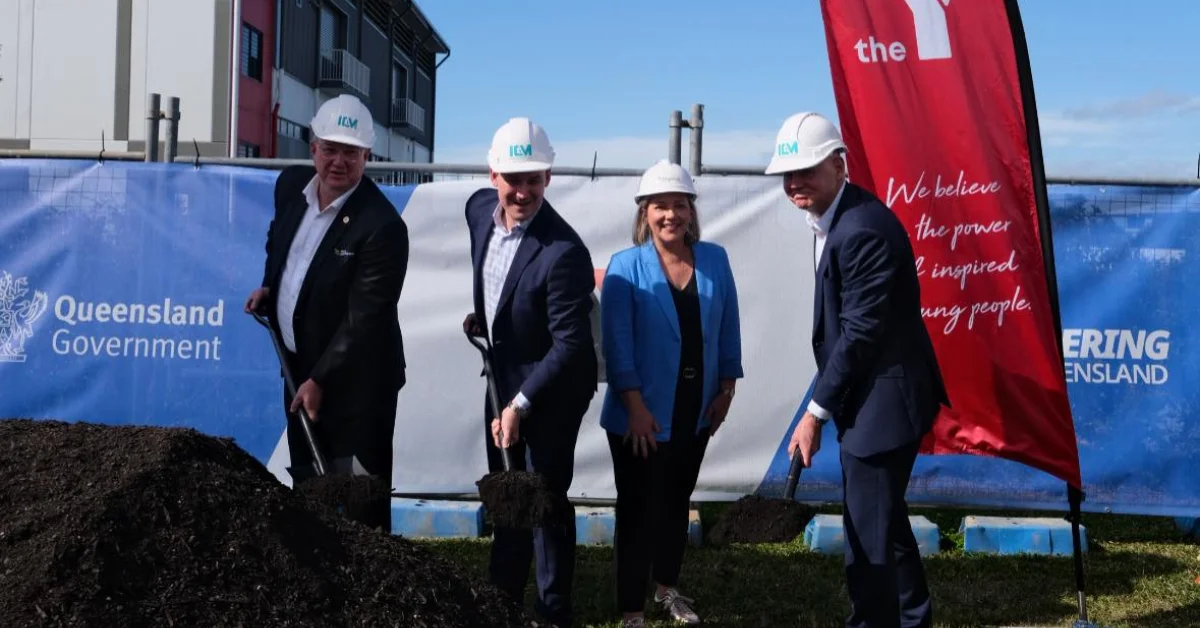
The sod-turning ceremony took place on 22 July 2025, formally marking the beginning of works on the new complex. The project is being delivered through a partnership between the State and Y-Care, with local authorities’ support.
Photo Credit: YMCA Queensland/Facebook
Details of the Development
The development is being constructed on Linear Drive in Mango Hill and will consist of 47 single-bedroom units. It will include shared community areas and provide on-site support services for residents.
The units are being constructed to meet the Social Housing Design Guidelines, ensuring accessibility for older residents and people living with disabilities.
Construction is expected to be completed by late 2026.
Financial Support and Approvals
The City of Moreton Bay is waiving nearly $700,000 in infrastructure charges and development application fees to support the project. A recent development application was lodged for minor changes to the approved plans.
These waived fees are part of broader local initiatives introduced since March 2023, aimed at attracting more social housing developments.
Photo Credit: YMCA Queensland/Facebook
Broader Regional Context
This project forms part of a wider pipeline of more than 670 social and affordable homes that are either under construction or under contract across the Moreton Bay region.
Other projects are underway in Redcliffe and Deception Bay, including a First Nations-led housing initiative.
Community Perspective
The project was described by involved organisations as a necessary step in providing older women with secure, long-term housing options. Stakeholders at the sod-turning event highlighted the importance of wraparound services and community infrastructure in ensuring stability and connection for residents.
The Mango Hill housing complex is expected to be delivered by late 2026. It is one of several ongoing developments addressing homelessness and housing affordability in Moreton Bay, with further projects under assessment.
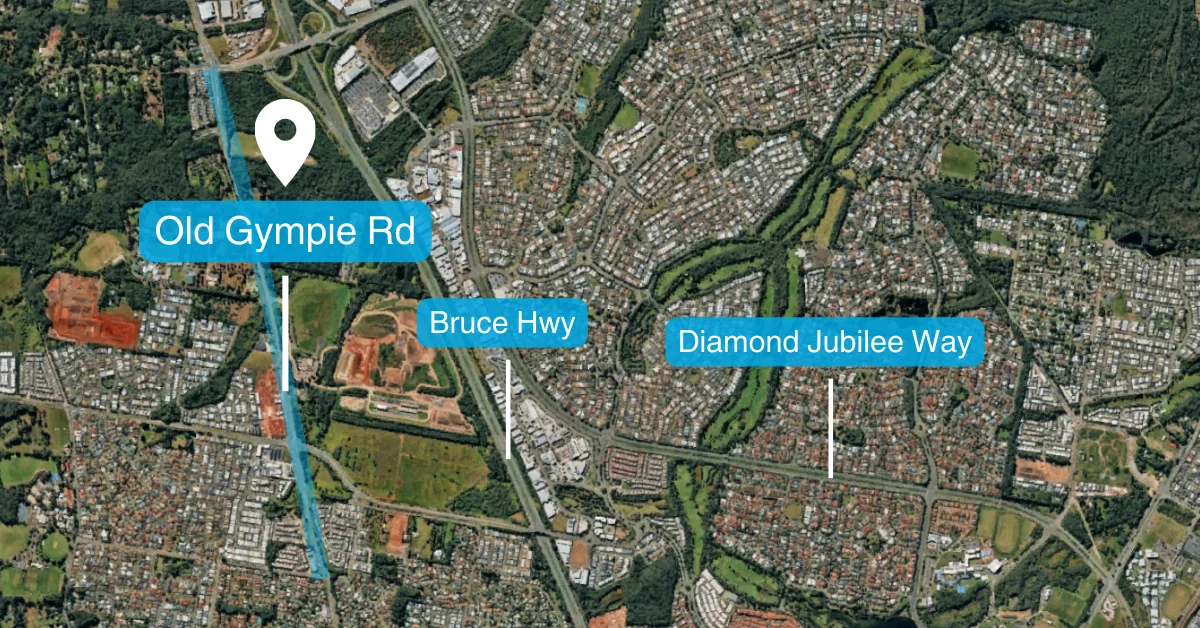
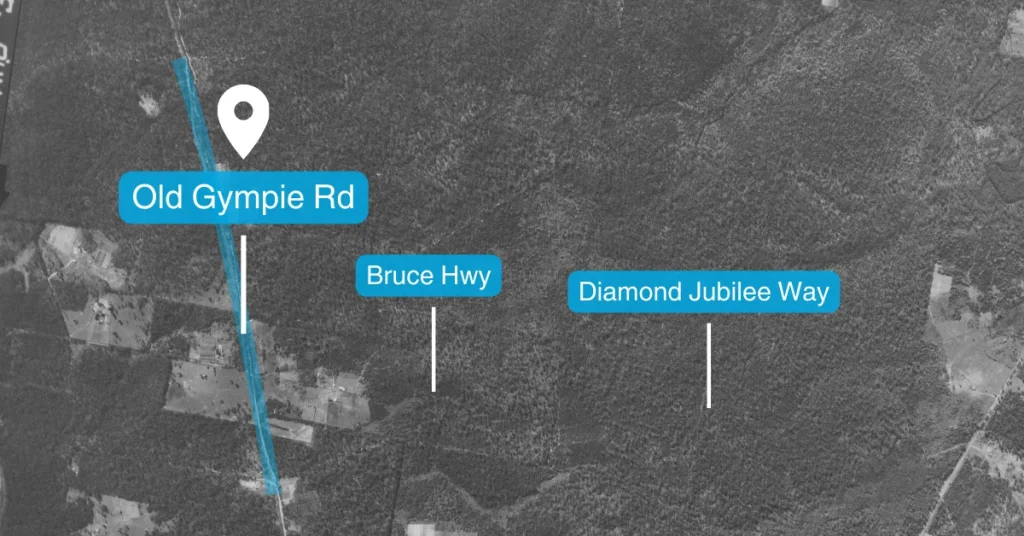
Long before it became a commuter corridor lined with established homes, Old Gympie Rd carried a different kind of traffic. In its earlier days, this stretch through Dakabin was a quiet country route, where the occasional farmer’s truck might rumble past paddocks and the rhythm of life moved at a slower pace. That rural character has gradually given way to something more suburban, though traces of the area’s pastoral past can still be glimpsed in the larger blocks and mature trees that line portions of the road today.
The transformation didn’t happen overnight. Through the 1990s and early 2000s, Old Gympie Road remained relatively undeveloped, with properties changing hands at prices that reflected the area’s semi-rural status. A parcel at 379 Old Gympie Road sold for $1 million in March 1997, whilst just a few years later in October 2000, number 313 traded for $90,000. By October 2003, number 315 had sold for $210,000, capturing a moment when Dakabin was beginning its shift from country fringe to residential neighbourhood.
The surrounding infrastructure has evolved too. What was once a straightforward country road has gradually absorbed the pressures of suburban growth—school drop-offs, commuter traffic, and the everyday movement of families who’ve chosen to make Dakabin home. The road itself has become a marker of how outer Brisbane suburbs have matured, balancing accessibility with the spaciousness that first drew residents to the area.
Old Gympie Rd, Dakabin Residents
NUMBER OF PROPERTIES: 14 houses, 6 others % OF OWNER OCCUPIERS ON STREET: 100% AVERAGE TIME FOR OWNER OCCUPIERS: 13 years and 4 months % OF PEOPLE 10+ YEARS: 50%
Old Gympie Rd, Dakabin – As It Looked in 1936
SOME TYPICAL PROPERTY SALES ON OLD GYMPIE RD FROM YESTERYEAR
Property Address
Sale Price
Sale Date
379 Old Gympie Road, Dakabin
$1,000,000
Mar 1997
315 Old Gympie Road, Dakabin
$210,000
Oct 2003
313 Old Gympie Road, Dakabin
$90,000
Oct 2000
SUBURB PROFILE
The median price of a 4 Bedroom House in Dakabin in 2025 was $825,000 The median price of a 4 Bedroom House in Dakabin in 2021 was $470,000 TYPICAL INCREASE OF A 4 BEDROOM HOUSE IN DAKABIN SINCE 2021: $355,000
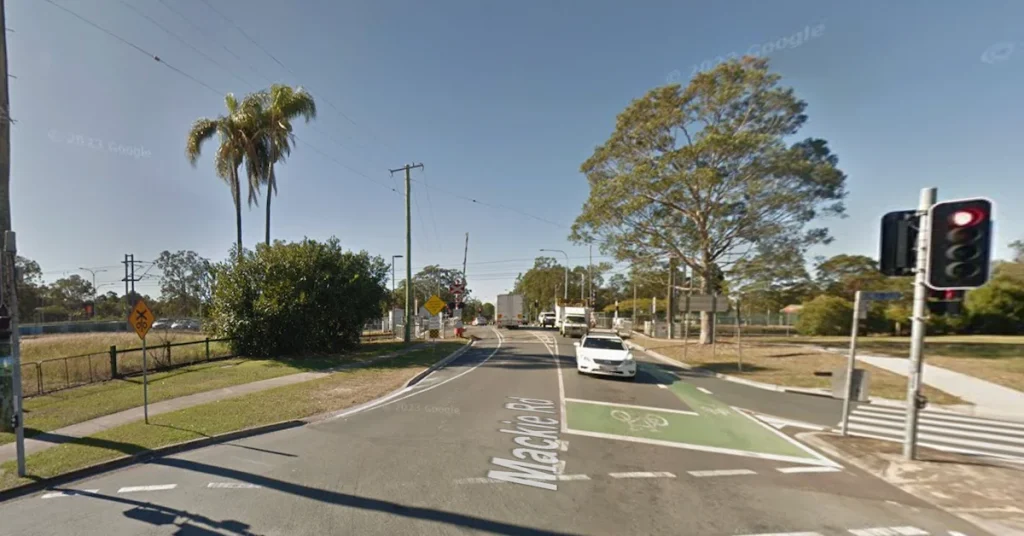
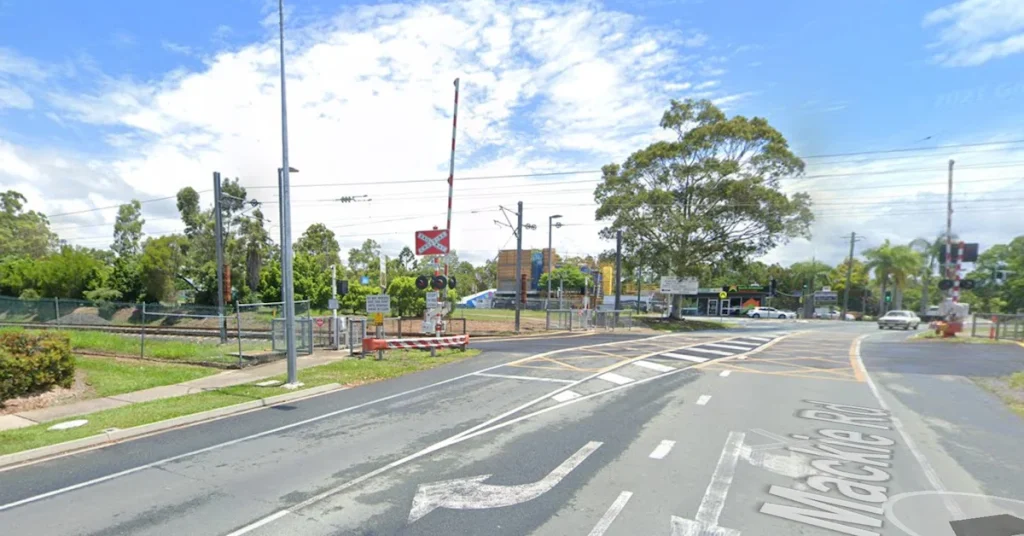
Every morning in Narangba starts the same way for Haley Riches: packing school bags, loading the car, and hoping she won’t hit the rail crossing at the wrong time. But more often than not, she does. Like many locals, she finds herself stuck behind the boom gates, watching train after train pass, while the clock ticks and kids grow restless in the back seat. It’s not unusual for the wait to stretch past 10 minutes. Some days, it happens four times.
“It’s not uncommon to sit waiting for 10 to 15 minutes at a time, just to cross the train line. Multiply that by four trips a day, and it adds up to hours every week lost in our cars,” the mum said.
For Haley—and for hundreds of other families, workers and commuters in this growing Moreton Bay suburb—the crossing at Main Street and Mumford Road, and the nearby one at Burpengary Road and Mackie Road, has become more than just a delay. It’s a daily frustration, and some say, a looming safety hazard.
From Frustration to Action
It was after yet another long wait and another close call at the intersection that Haley decided to do something. In early 2025, she launched a petition asking officials to take action. The request was simple: find a safer, more efficient way for traffic to cross the railway line—whether through an overpass, underpass, or upgraded crossing system.
The response from the community was swift. Signatures started to pour in, and stories from other residents echoed her concerns. Parents juggling school drop-offs, workers trying to get to jobs on time, and visitors who dreaded the delays all backed the cause.
“I’m not an engineer,” Haley said. “But I know this isn’t working—and it hasn’t been for years.”
Photo Credit: Google Maps
A Growing Town, a Growing Problem
New housing estates in Narangba Heights and Kinma Valley are set to add more than 3,000 homes to the area. That’s thousands of new cars, more school traffic, and more pressure on the same old crossings. Moreton Bay has already secured $10.1 million in funding to upgrade the Young Road and Oakey Flat Road intersection, just west of the rail line. That work is due to start later in 2025.
But Haley said the real pressure point remains the crossings—and the people who are stuck at them every single day. In the past, plans for an overpass were reportedly dropped after locals pushed back, but community attitudes may now be shifting.
“The roads are way busier than they were back then,” said one resident on social media. “It’s not just a delay anymore. It’s a risk.”
Taking the Fight to Officials
Her petition quickly gathered traction, leading to a face-to-face meeting with MP Shane King. For nearly two hours, they discussed the rail line, the nearby roads, and how the town’s rapid growth was putting more pressure on old infrastructure.
King said he would take the petition to Parliament and explore state funding options. He also committed to following up on reports that heavy quarry trucks were using Narangba Road illegally, crossing the train lines and adding to congestion. Cr Mark Booth voiced his support too, and Haley is now preparing for meetings with local council representatives, including Acting Cr Tony Latter, to keep the issue moving.
Photo Credit: Google Maps
Data, Evidence and Determination
Haley is now collecting dashcam footage and police reports to show just how serious the problem has become. In one rainy week this July, there were already two crashes near the crossing. She’s also had to pay for extra childcare so she can attend meetings—just one of many small sacrifices she’s making to keep the issue on the agenda.
While not everyone agrees on what the fix should be, there is broad support for the idea that something needs to happen soon. Some locals have suggested extending nearby roads or widening key routes. Others point out that with train frequency set to increase thanks to the Cross River Rail project, the delays will only worsen if nothing is done.
Haley said she understands any major upgrade will take years, but believes that’s even more reason to start now.
With another round of meetings coming up in early August, Haley hopes to reach at least 3,000 signatures—and maybe more. She said the goal isn’t to push blame or demand the impossible. It’s simply to make sure her town doesn’t get left behind.
“Narangba is growing, and it deserves better,” she said. “I just want to make it safer, and easier, for all of us to get where we need to go.”
Rugby league is set to play a central role in a new initiative to steer young people in Moreton Bay away from crime and back into education and community life.
The program, delivered by Indigenous Mana and backed by the Dolphins NRL club, uses sport as a vehicle to engage at-risk youth, particularly those from Indigenous and Polynesian backgrounds.
The Indigenous Mana Academy will lead the delivery of a $300,000 Kickstarter Grant-funded program aimed at supporting at-risk youth aged 10 to 17 over a 12-month period. The initiative includes rugby league training and mentorship, cultural camps, and family engagement sessions designed to strengthen identity and community ties. It will also involve partnerships with First Nations businesses and Elders, ensuring the program is culturally grounded and community-led.
Photo credit: Steve Jacob/Google Maps
Young participants will be referred through police and local co-responders, and progress will be tracked through school attendance and a commitment to staying out of trouble.
The Moreton Bay Junior Rugby League Football Club, based in Deception Bay, is supporting the program by providing access to its fields on Government Street. The Dolphins will also contribute coaching support, with players involved in mentoring and development.
Indigenous Mana Founder and Managing Director Tania Goldsmith said the funding would play a vital role in changing young lives by tackling the underlying causes of disadvantage and helping youth access pathways to growth and success.
“We are excited to bring our program to the Moreton Bay region, which has a growing population of First Nations cultures and Polynesian young people,” Ms Goldsmith said.
“At Indigenous Mana we believe reconnecting young people with their culture will drive their intrinsic motivation to make positive changes to their lives and create a brighter future.”
The initiative is being rolled out across the Moreton Bay region, where organisers hope it will create lasting change by combining sport, culture and community support to help young people build a better future.
A large and well-positioned block in Rothwell, which was formerly home to the Frawleys Tennis Club, is now on the radar of developers, with interest building around its potential for residential and low-intensity commercial use.
Located at 56 Coman Street South, the 9825sqm site sits just 1.4 kilometres from Rothwell train station and within close reach of major amenities, including Westfield North Lakes and Redcliffe Hospital, which is currently undergoing an expansion. Its proximity to Deception Bay Road adds further appeal, providing easy arterial access for future residents or visitors.
Photo credit: Google Street View
Despite its central location, similar-sized parcels with development potential are scarce in the surrounding area. Nearby retirement living facilities are limited to Levande Newport, Ballycara Residential, and Bolton Care Seabrook, highlighting the site’s rare opportunity for new senior accommodation or alternative residential uses.
The property, which was home to the tennis club until 2017, already has development approval from Moreton Bay City Council for a 97-unit retirement village. The approved plans include 63 two-bedroom, 21 three-bedroom, and 13 one-bedroom units, with buildings reaching up to three storeys and offering 147 car parking spaces.
Photo credit: Google Street View
Zoned as a specialised centre under the Moreton Bay Regional Plan, the site also allows for other uses, such as a medical centre, quick-service retail, or alternative residential developments, subject to council approval.
“Occupying a prominent and accessible position, there are no surrounding parcels of land that offer the same scale as 56 Coman Street to developers in the market,” the listing reads.
“However, the current approval for the site has set an envelope for alternative residential development outcomes which could be accommodated on the site under the Centre zoning (STCA).