



Diana Green’s Two Days a Week at Mimi’s House Earn North Lakes Recognition

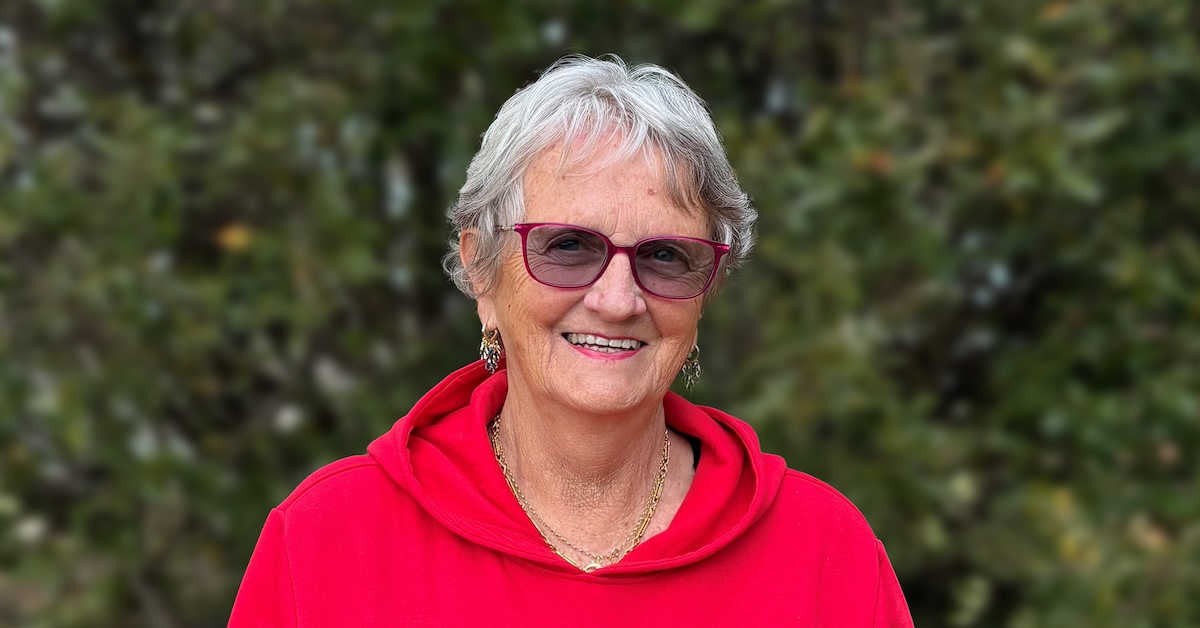
For two days each week, retiree Diana Green volunteers with children who are finding school difficult, offering the patience and consistency that can help them regain confidence. Her work at Mimi’s House has earned her the 2026 Westfield North Lakes Local Hero award and a $20,000 grant for the program.


Read: North Lakes Local Heroes Finalists Support Inclusion, Education and Recovery


At Mimi’s House, the emphasis is not on conventional classroom lessons. Primary school children spend time in a home-like environment, practising everyday skills, building relationships and getting the support they need to feel more settled at school.

Diana has become a familiar adult in that setting. She takes time to understand each child’s circumstances and feelings, offering steady encouragement rather than expecting quick results.

“I’m motivated by a passion for making a positive impact in children’s lives, and by gratitude for my own happy childhood and my own family,” she told Westfield. “The joy and energy that the kids give is rewarding.”

The Idea Behind Mimi’s House

The program began in the Deception Bay area and works with primary schools to help children at risk of disengaging from education. Its approach recognises that a child struggling in class may also be dealing with social, emotional or family difficulties that make learning harder.

Children from Prep to Year 5 attend weekly sessions focused on their social, emotional and physical development. Activities are designed to develop confidence and life skills in a setting that feels different from a classroom.

For Diana, volunteering has also brought a new sense of purpose in retirement. She attends two days a week and is known for her calm approach, giving children time to become comfortable and build trust.

A More Welcoming Place to Learn

The $20,000 award has a practical purpose. Westfield’s earlier finalist information said Mimi’s House planned to use the funding for an internal repaint and new carpet, making the setting warmer and more welcoming for participating children. Those were proposed improvements at the time of the finalist announcement; the work should not be described as completed.

The planned refurbishment reflects the program’s emphasis on environment as well as activities. Children who have had difficult experiences at school may respond differently when they can learn and interact in a smaller, supportive setting.

Mimi’s House operates under Hope Ventures, with a focus on intervening before children become more disconnected from education. Its work relies on partnerships with schools and the regular contribution of volunteers such as Diana.

North Lakes’ Three Community Finalists

Westfield North Lakes announced Diana as its 2026 Local Hero on 20 October. The $20,000 grant goes to Mimi’s House, not to Diana personally.

Two other finalists each receive $5,000 for their organisations. Christine Neiland leads Rainbow Care Home Services, which provides inclusive support to LGBTQI+ people, including those who have experienced discrimination. Lou Feltham Smith founded Miracle Mums Movement, helping women rebuild their lives following domestic and family violence.


Read: Moreton Bay Finalists Named for Westfield Local Heroes


North Lakes Today reported on all three finalists when voting was underway in September. Diana’s selection brings new funding to a program with roots in Deception Bay and a continuing focus on children who need additional support to engage with school.

About Westfield Local Heroes

Since 2018, Westfield Local Heroes has recognised people whose volunteering and community work make a difference. Each 2026 winner secures a $20,000 grant for their organisation; the other two finalists at each centre receive $5,000 each.

The program has recognised 1,116 community leaders and provided more than $11 million in grants across Australia and New Zealand.

Know someone making a difference? Nominations for 2027 are now open: Westfield Local Heroes.

Published 22-Oct-2026
Narangba Industrial Growth Moves Into Next Phase as Moreton Bay Land Tightens

Narangba is emerging as a key test of how Moreton Bay can accommodate more industrial businesses and local jobs as available employment land becomes harder to find across the region.


City of Moreton Bay said on 6 October that manufacturing across the city generates more than $5 billion in sales, with industrial engineering, fabrication, marine products, building materials, electronics and robotics among the sectors operating locally. The city has linked further manufacturing growth to the availability of additional industrial land.

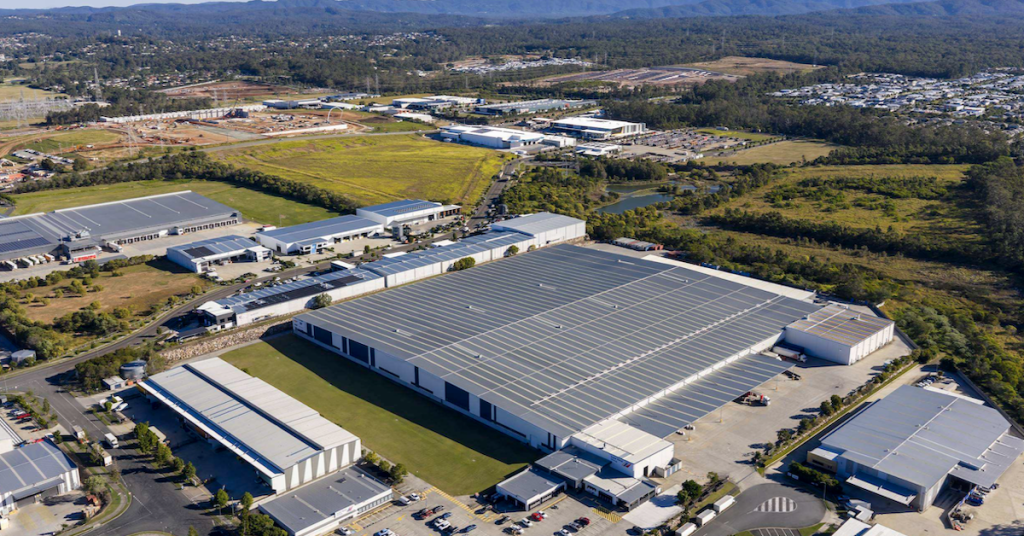
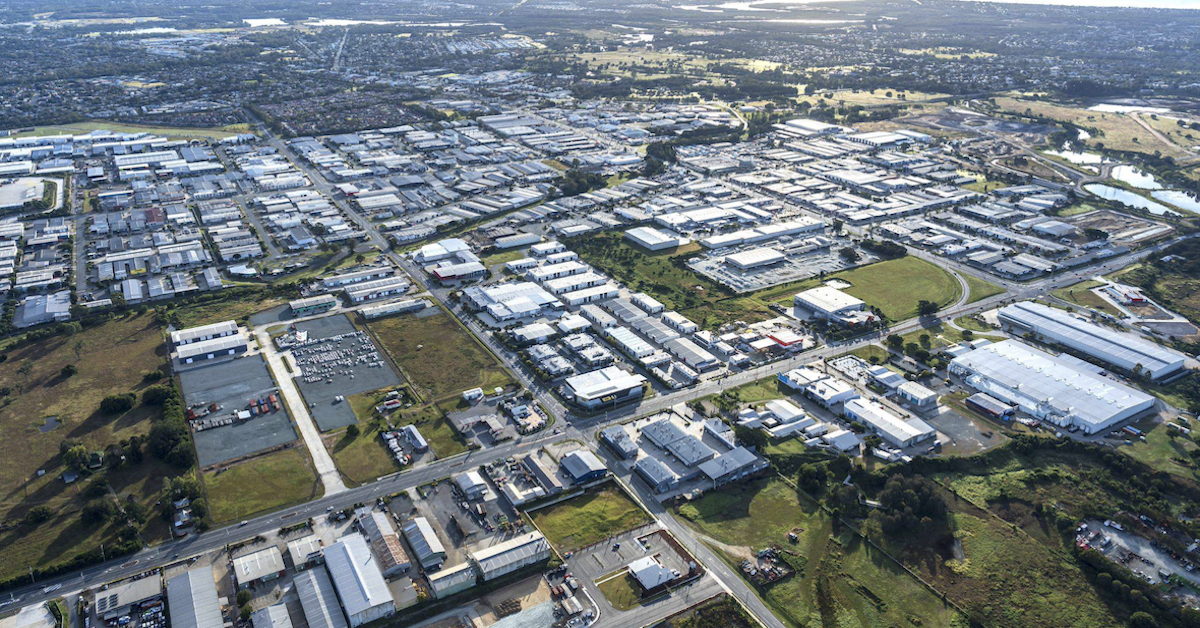
Narangba already carries a significant share of that industrial activity. The Narangba Innovation Precinct is recognised as a major enterprise and industrial area and accommodates industries that can be difficult to locate elsewhere, including manufacturing, recycling and other higher-impact operations. Earlier economic analysis also found the precinct had the highest concentration of manufacturing workers in Moreton Bay.

An established industrial base

The Narangba Innovation Precinct dates back to the 1970s, when the Queensland Government developed the area for larger and higher-impact industries.

Economic research commissioned as part of later planning work found the precinct generated about $740 million in gross regional product in 2021, while employment there had grown by almost 50 per cent between 2011 and 2016.

Its role remains significant enough that Moreton Bay adopted another temporary planning instrument in July 2026 for the area east of the Bruce Highway. The measure remains in effect until July 2027 while longer-term planning controls are progressed.

A proposed planning scheme amendment for the eastern precinct is intended to provide clearer rules for Special and High Impact Industry while managing potential effects on surrounding residential areas. City documents estimate the changes could support almost 600 additional industrial jobs and contribute about $129 million to the local economy.

Photo Credit: Supplied

A second employment area takes shape

A separate planning process is under way west of the Bruce Highway at Narangba East, where land currently characterised largely by rural residential development is being considered for a mix of future employment and housing.

Planning investigations released in 2024 identified Narangba East as one of the areas capable of helping address Moreton Bay’s industrial land shortage. Early estimates indicated a future employment precinct there could eventually support up to 10,500 jobs.

A temporary planning instrument introduced in June 2026 is preserving land for those longer-term uses while detailed planning continues. It also identifies an Early Release Area along parts of Old Gympie Road and Richards Road where employment development could begin sooner.

The Narangba East work is distinct from planning for the established Narangba Innovation Precinct east of the highway, although together they place Narangba at the centre of Moreton Bay’s longer-term employment planning.

Industrial land forecasts have shortened

Moreton Bay’s need for additional employment areas has become more pressing as industrial land is taken up faster than previously expected.

A 2022 assessment estimated about 26 years of general industry land and 32 years of light industry land remained across the city. By the 2024 update, both had fallen to an estimated 14 years of supply.

General industry land in southern Moreton Bay could be exhausted by 2031 or earlier if recent demand continues.

The shortage extends across Greater Brisbane. Research released in September 2026 estimated about 205 hectares of industrial land would be absorbed annually over the following five years, with some established precincts holding as little as three-and-a-half years of remaining supply.

More jobs for a growing population

The industrial expansion also sits against Moreton Bay’s much larger population challenge.


Around 80,000 residents were estimated in 2024 to travel outside the city for work each week. State planning requires Moreton Bay to accommodate at least 85,400 additional jobs and 125,800 additional dwellings by 2046.

Longer-term modelling prepared with the University of the Sunshine Coast examined a scenario in which Moreton Bay could eventually support about 402,000 local jobs as its population approaches one million.

Published 7-Oct-2026

Narangba House Prices Push Above $1 Million as Market Holds Firm

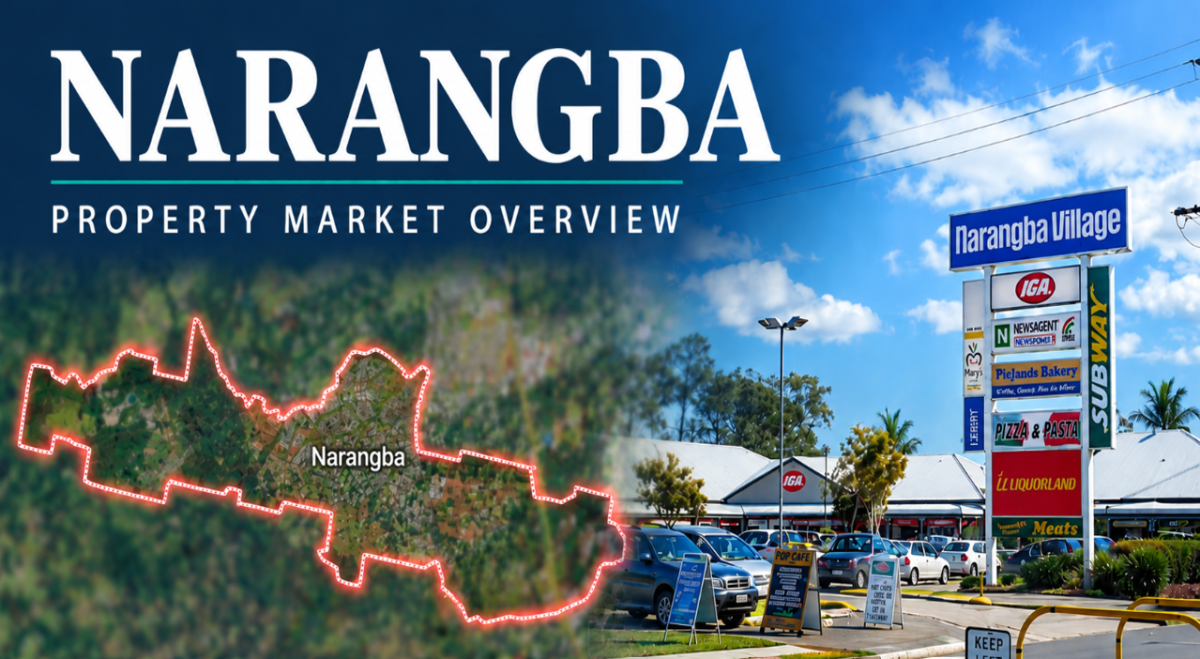
Narangba’s house market has pushed firmly into seven figures, with the latest three-month median reaching $1.045 million as sales through winter continued to cluster around the million-dollar mark.

The latest Narangba Property Market Overview, covering transaction data to 3 September 2026, puts the three-month house median about 3.9 per cent above the 12-month median of $1.0055 million.

There was also reasonable depth behind the latest snapshot. The dataset contains 80 house transactions over the three-month period, including 78 with usable prices for the median calculation, plus six unit transactions. That takes total residential transaction volume to 86.

Recent monthly results also show the suburb repeatedly trading around the million-dollar level rather than relying on a single strong month.

3-Month House Median

$1,045,000

+3.9% vs 12-month median

3-Month Unit Median

$815,000

0.0% vs 12-month median

3-Month Residential Volume

86 sales

80 houses + 6 units

Median Days to Sell

34 days

Houses; units recorded 28 days

House Market Settles Into Seven Figures

The monthly figures still move around, but the broader direction is clearer than any one result.

House medians were $950,000 in October 2025 and $980,000 in November before moving above $1 million in January 2026. The monthly median reached $1.1475 million in May, then eased to $1.035 million in June before returning to $1.055 million in July and $1.06 million in August.

September’s preliminary figure is lower at $949,000, but it needs to be treated with particular caution. The analysis only runs to 3 September and the figure is based on three qualifying sales, making it a partial-month observation rather than evidence of a broader market shift.

Narangba Houses — Monthly Median Price

The three-month median smooths some of that month-to-month movement and leaves Narangba at $1.045 million.

Selling times have also lengthened in the latest period. Within the PMO dataset, the three-month median for houses was 34 days, compared with 14 days across the 12-month analysis.

Four-Bedroom Homes Dominate Narangba Sales

The make-up of recent sales helps show where most of the activity has been concentrated.

Among house transactions with usable bedroom information, four-bedroom homes accounted for 53 sales during the three-month period. There were another 10 five-bedroom sales and nine three-bedroom sales.

That makes four-bedroom homes clearly the most common configuration in the available bedroom data, which fits Narangba’s strong family-home profile without implying that every transaction falls into the same price bracket.

There was also activity at the upper end.

The highest-priced transaction recorded in the overview was 94 Bazeridge Drive at $2.06 million, a five-bedroom, two-bathroom house attributed in the dataset to Tyson Von Hoff.

It was followed by a $1.518 million transaction at 6 Feeder Street and a $1.46 million house sale at 1257 Oakey Flat Road. Three other houses in the Top 10 changed hands for $1.45 million or more.

A Much Smaller Unit Market

Narangba’s unit market is considerably thinner, which makes the figures more sensitive to individual transactions.

The three-month unit median was $815,000, exactly level with the 12-month median. However, only six unit transactions were recorded in the broader three-month volume data and five had usable prices for the median calculation.

Monthly unit figures therefore need to be read cautiously. Several months in the 12-month analysis contain only one to three qualifying sales, so individual results can move the median sharply.

That is particularly clear in July, when the recorded unit median reached $1.1457 million from just three qualifying transactions, before August produced a $755,000 median from a single transaction.

Who Has Been Active in Narangba?

The transaction dataset also shows several agents appearing more frequently than others during the period.

Gavin Lomas was attributed 15 sales, followed by Tyson Von Hoff with 13. The dataset attributed four to Leanne Kroes, three to Rebecca Blewitt, and two each to Michelle Wheeler and Ryan Suhle.

Those figures are best read as activity recorded within the analysed dataset rather than a definitive market-share ranking. Not every transaction carries complete agent information, and the figures do not necessarily capture every agent active in Narangba.

Taken together, the latest numbers point to a Narangba house market now operating around the million-dollar mark. Monthly medians will continue to move with the mix of properties sold, but the broader measures are more telling: the three-month house median stands at $1.045 million, while the PMO’s 12-month median has also moved just above $1 million.

Read the full Property Market Overview here.

Published 8-September-2026

This overview is based on property transaction data available for the periods stated above. It is provided for general information only and should not be relied on as financial, investment, legal or real estate advice. Market conditions can change, and readers should undertake their own research before making property decisions.