



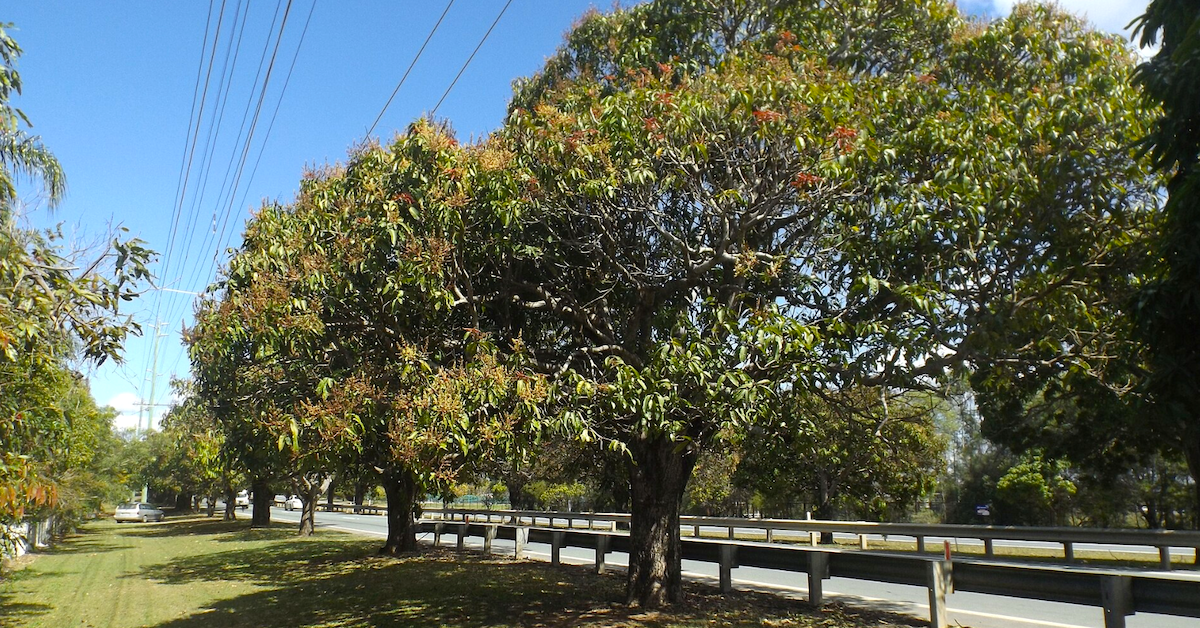
Long before Mango Hill had housing estates, schools and railway stations, a stretch of mango trees beside Anzac Avenue had already given the district something that would last for generations — its name.
The trees were planted along a roughly 700-metre section of the road between the Bruce Highway and Kinsellas Road. But their story reaches further back than the suburb itself, to a memorial avenue created in honour of Australians who served in the First World War.
By the 1950s, locals were calling the area Mango Hill. It would take another three decades before that familiar name became official.
A Road Built to Remember
The story begins in the 1920s, when Brisbane businessman and motoring advocate Thomas Rothwell championed a better road between Petrie and Redcliffe.
The project would improve access to the seaside town while providing employment for returned servicemen struggling to find work after the war.
Construction began in the early 1920s, and Anzac Memorial Avenue opened to traffic in December 1925.
The road was more than a transport connection. It was intended as a living memorial, with trees planted along its approximately 18-kilometre length to commemorate those who had served and died.
Public donations helped fund around 1,700 trees. Families could dedicate individual plantings to loved ones lost during the war.
Among them was Mary Uhlmann, who paid for trees in memory of her three half-brothers, Ernest, Walter and Frederick Blake, who died during the conflict.
At Mango Hill, the chosen trees were mangoes.
In 1926, a 700-metre avenue of mango trees was planted between the present-day Bruce Highway and Kinsellas Road, according to published local histories.

A Name That Took Root
The surrounding district was once associated with names including Freshwater Hill and East Kallangur.
But the roadside mango trees had made their impression.
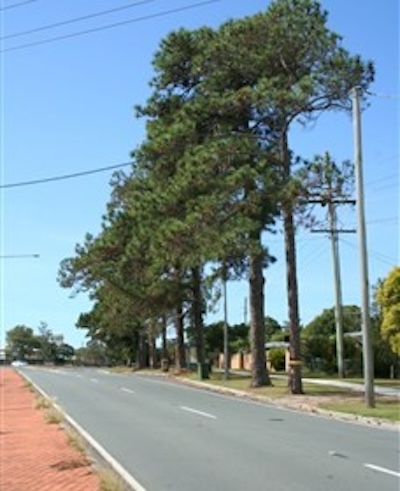
By the 1950s, residents were already referring to the area as Mango Hill. Other names, including Pine View and Palm View, had reportedly been considered, but neither displaced the name that locals had adopted.
On 1 September 1980, Mango Hill was formally recognised as a suburb, according to published historical accounts.
The name acknowledged a landmark that had become familiar to generations of travellers along Anzac Avenue.
When the Trees Needed Protecting
As traffic increased and development spread, the trees faced pressures that their original planters could scarcely have imagined.
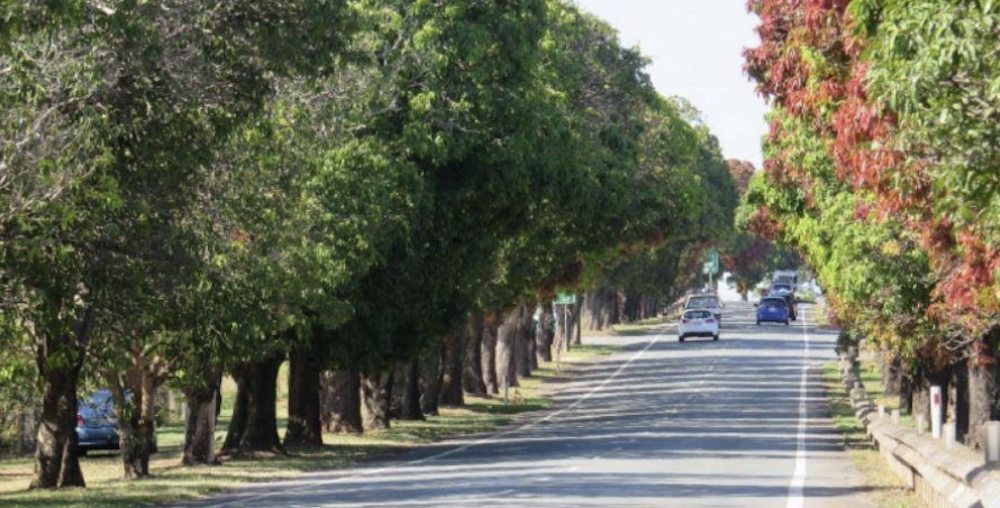
Road widening and infrastructure works changed parts of Anzac Avenue, prompting efforts to preserve its historic plantings.
During roadworks in 1996, six mango trees were successfully transplanted to the western side of Anzac Avenue, according to the Mango Hill Progress Association.
The association continued to advocate for the trees as development proposals emerged.
In 2018, it reported a significant outcome in a campaign opposing a proposed development access road that threatened further tree losses. The association said the original access-road location had not been approved by the relevant state assessment authority.
The campaign demonstrated how strongly residents still identified with the avenue.
Although mango trees remained along Anzac Avenue in documented photographs from 2016, the exact number of trees surviving from the original 1926 planting has not been independently established.
From Rural Settlement to Growing Suburb
The Mango Hill of 1980 was a much smaller community than the suburb residents know today.


Local histories describe a settlement with limited services, where shopping often meant travelling to Kallangur, Kippa-Ring or Strathpine.
The Mango Hill Progress Association formed in 1986 and became an important voice as housing and infrastructure gradually arrived.
By 1990, the area had 257 houses, according to the association’s historical accounts.
Development accelerated in subsequent decades. In March 2006, the northern portion of Mango Hill was separated to form North Lakes, substantially changing the original suburb’s boundaries.
The opening of the Redcliffe Peninsula railway line in 2016 brought another major change, connecting Mango Hill more directly with Brisbane and neighbouring communities.
Today, the suburb has grown far beyond the quiet district that once took its identity from a row of roadside trees.
Yet its name still points back to that 700-metre stretch of Anzac Avenue, where a memorial planting became a local landmark and, eventually, the name of an entire community.
Published 28-Oct-2026


CLICK ANY LOGO TO SEE PUBLICATION