



Milly Brings Matilda’s Legacy To Petrie

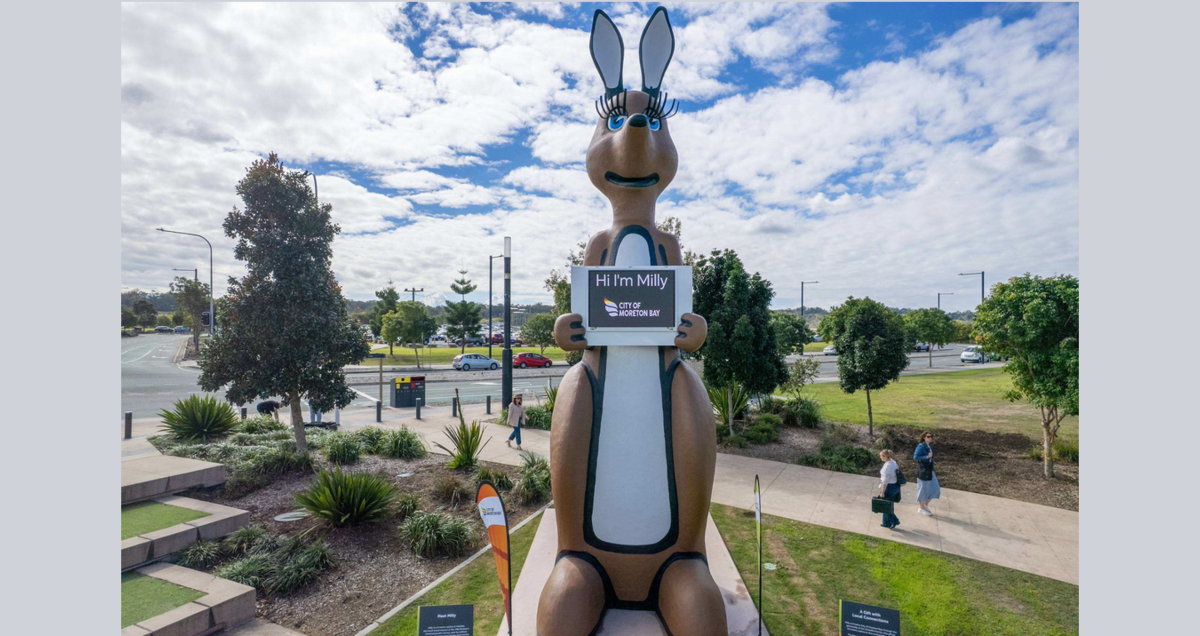
A nine-metre kangaroo has hopped into Petrie, with Milly now standing proudly at The Mill Water Park and Play Space as a new local landmark for City of Moreton Bay.


The giant replica of Matilda, the mascot of the 1982 Brisbane Commonwealth Games, has been named Milly in honour of the old Mill site, now known as Moreton Bay Central. The sculpture sits beside the future Moreton Bay Indoor Sports Centre, linking one of the city’s best-known family destinations with its sporting future.
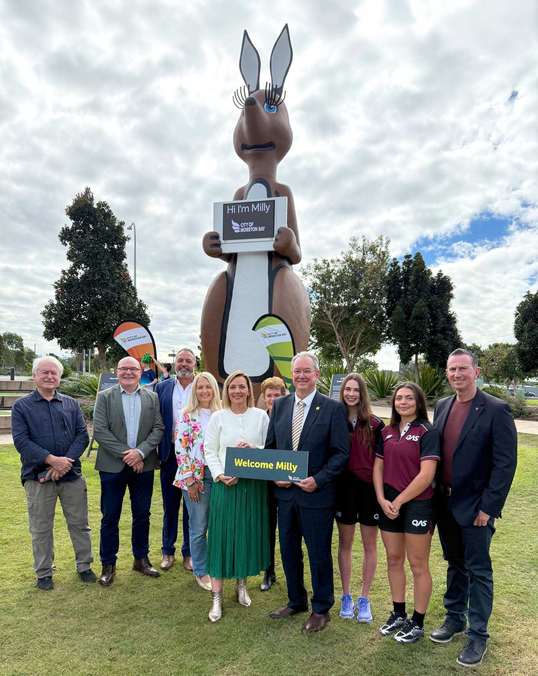
Photo Credit: City of Moreton Bay

City of Moreton Bay Mayor Peter Flannery said Milly represents both the city’s history and its role in the road to Brisbane 2032.

“Forty-four years ago, Matilda announced Queensland to the world. Today, her spirit returns,” Mayor Flannery said.

“Milly will stand here as a proud, daily reminder of the role our City continues to play in shaping the Brisbane 2032 Olympic and Paralympic Games, and I hope she inspires the next generation of local athletes to set their sights on competing in 2032.”

A family gift with a second life

Milly was generously donated to the community by the O’Keeffe family, giving the much-loved sculpture a new home in Moreton Bay.

For creator David Joffe of Natureworks, the project was about preserving something familiar and giving it another chapter in the public eye.

“We didn’t just build a giant kangaroo — we helped save an Australian icon and give it a new life for future generations,” Mr Joffe said.

“Rather than disappearing into storage or being lost forever, she’s now part of a community Playground where families and children can enjoy her every day.”
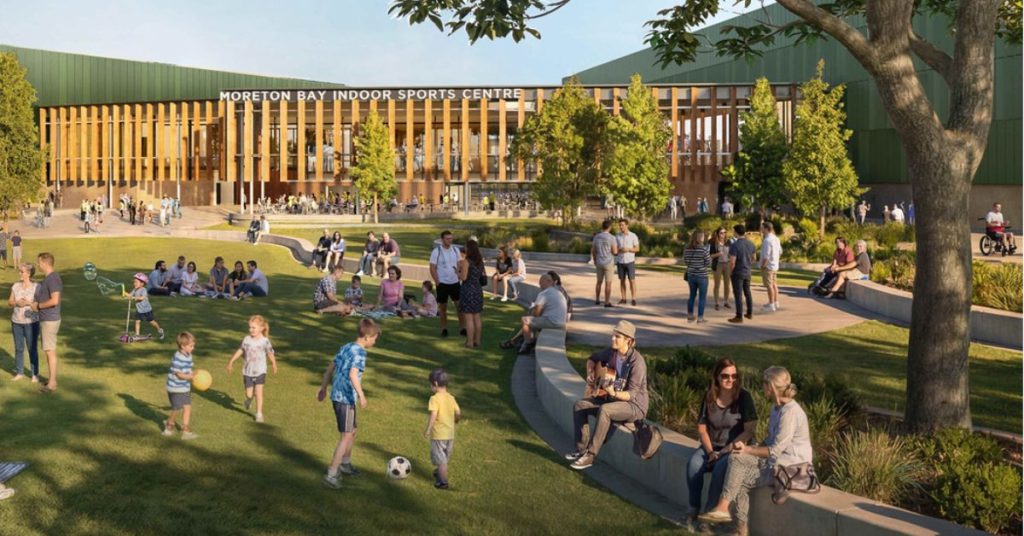
Artist impression of the new Moreton Bay Indoor Sports Centre

Mr Joffe said the project was “a fantastic example of recycling in the best possible way”, with the sculpture now able to be enjoyed rather than forgotten.

A local icon with a story to tell

1982 Brisbane Commonwealth Games gold medallist Robert de Castella also welcomed Milly’s arrival, saying Matilda was unforgettable for many Australians.

Matilda at the 1982 Commonwealth Games opening ceremony. Photo Credit: NFSA

“You could not miss her. She was the face of those Games, and for a lot of us she is the first thing we picture when we think back to 1982,” Mr de Castella said.

“What those Games did was show a generation of Queensland kids that the world would come to us, and that we belonged on that stage.”

He said the sculpture’s new home was especially meaningful with the Brisbane 2032 Games approaching.


“There will be young athletes running around this park today who could be competing in 2032, so this is a really exciting day.”

For Moreton Bay families, Milly adds a touch of nostalgia, a strong local talking point, and a playful landmark for children visiting one of the city’s favourite community spaces.

Published 24-July-2026
Petrie Intersection to Test AI Traffic Lights in Australian First

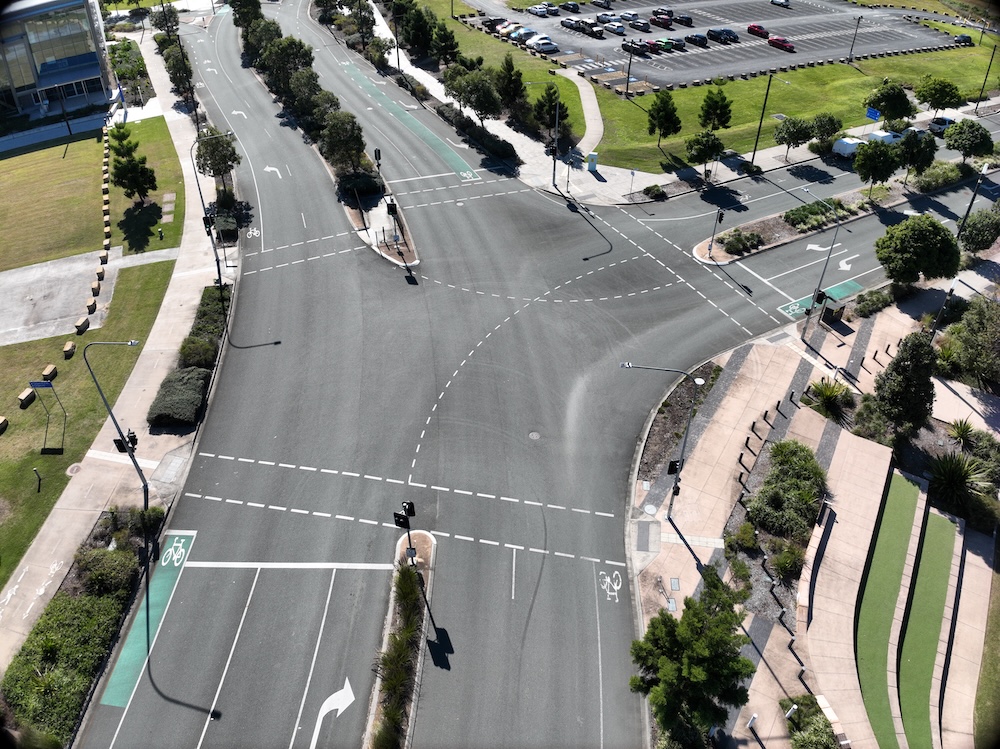
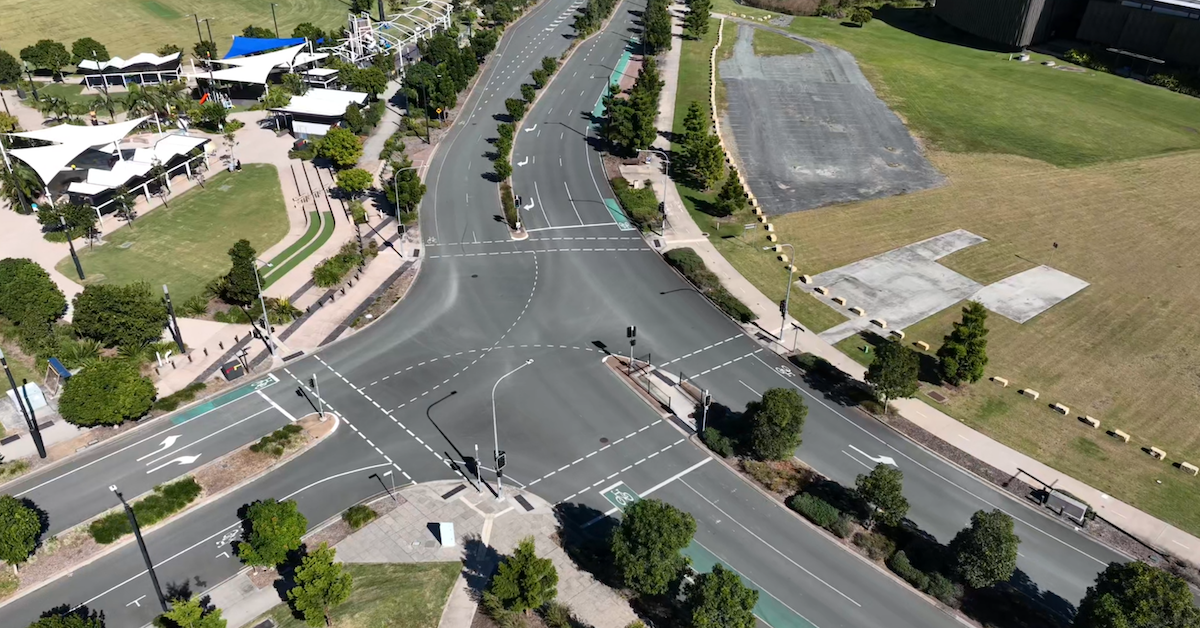
Drivers across Moreton Bay could soon spend less time waiting at red lights, with the City of Moreton Bay preparing to test an artificial intelligence-powered traffic signal system for the first time in Australia. The trial will take place at the intersection of Moreton Parade and Paper Avenue in Petrie. 


By late 2026, existing traffic signal controllers will be replaced with next-generation hardware that works with the current in-ground vehicle detection system. The council will also install advanced traffic detection sensors to collect more detailed information about road users. These sensors can identify cars, trucks, cyclists and pedestrians, helping the system respond more accurately to changing traffic conditions.  

The pilot aims to improve traffic flow by allowing traffic lights to respond to real-time conditions instead of following a fixed sequence. If successful, the technology could reduce delays at intersections, ease congestion and cut the time vehicles spend idling at red lights.  

Photo Credit: Supplied

A decades-old traffic system gets a modern update

Australia’s long-standing traffic signal method uses a phase-based system dating back to the 1980s. Under this approach, traffic lights follow a set order, even as traffic volumes change throughout the day.  

The new system uses a movement-based approach instead. It analyses vehicle movements in real time and adjusts signal timings to match current traffic conditions. The technology manages individual traffic movements without being tied to a fixed sequence or grouping of traffic lights, helping traffic move more efficiently through intersections.  

According to the City of Moreton Bay, the system combines artificial intelligence with advanced traffic algorithms to support smoother traffic flow. It can also prioritise higher traffic volumes, including public transport, as traffic conditions change throughout the day.  

Cutting unnecessary waits at empty intersections

One of the biggest changes for motorists could be shorter waits when an intersection is clear.

The technology is designed to reduce unnecessary delays created by traditional traffic signal timing. Council says it will also reduce the transition time between conflicting traffic movements, including the all-red interval when every direction is stopped, while maintaining safe operating margins. As a result, drivers may spend less time waiting when there is little or no cross traffic.  

The City of Moreton Bay also expects the system to reduce vehicle emissions because cars will spend less time idling at intersections.  

Mayor Peter Flannery said the City of Moreton Bay believed the trial had the potential to improve daily travel for residents by reducing unnecessary delays and managing traffic more efficiently. He also said the technology could better respond to changing traffic patterns throughout the day while maintaining safe operating margins.  


If the pilot proves successful, the City of Moreton Bay plans to test the technology at a more complex intersection.  

Published 6-July-2026

New $6m Walking Circuit Opens at Petrie Lakes Precinct 

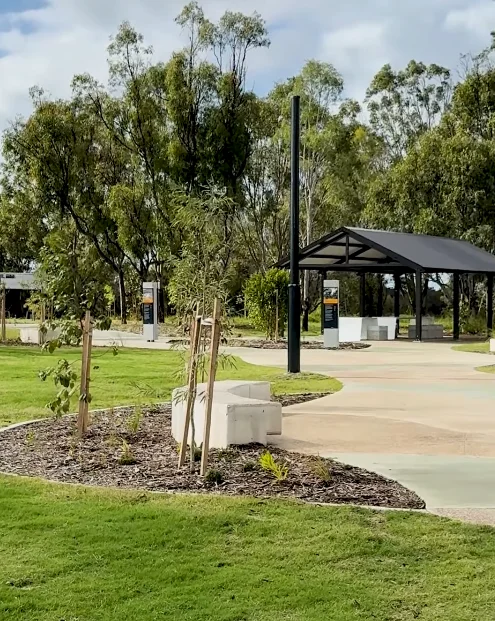
A new $6 million walking circuit has opened at Moreton Bay Central in Petrie, adding lakefront paths, picnic shelters and landscaped green space to the former paper mill site.


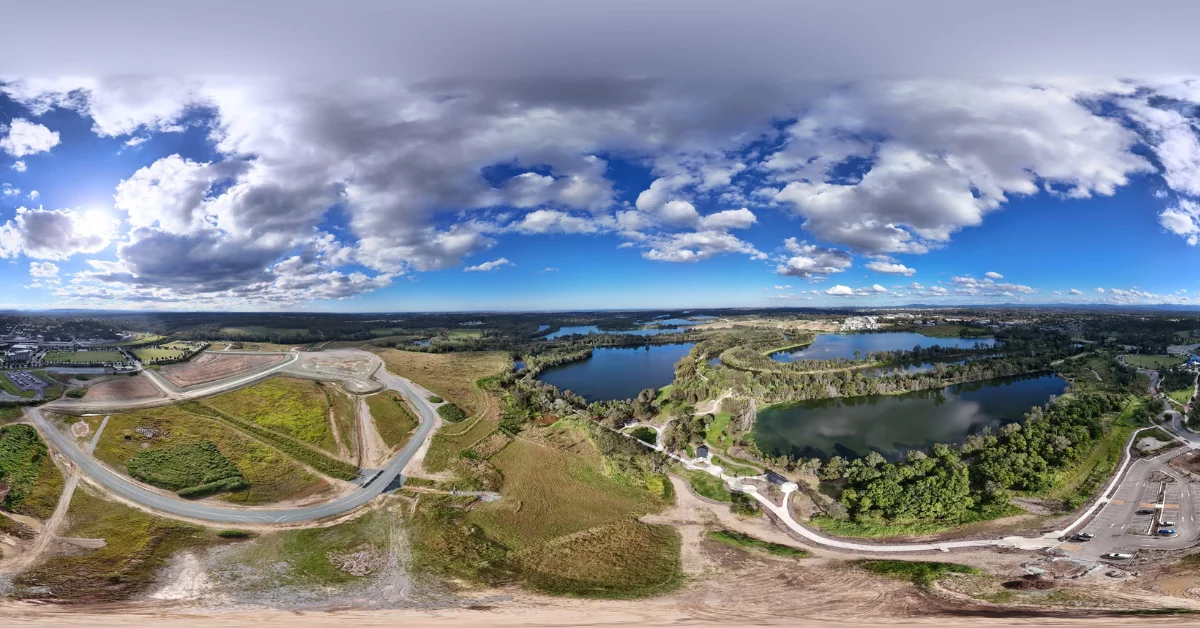
The Moreton Bay Central Lakes Walk is a 3km circuit around the lakes precinct, providing waterside access and public recreation space beside the area planned for the Moreton Bay Indoor Sports Centre.

The project opened on 20 June and forms part of the ongoing activation of the former Petrie Paper Mill site, which has been reshaped into a major precinct anchored by the University of the Sunshine Coast Moreton Bay campus.

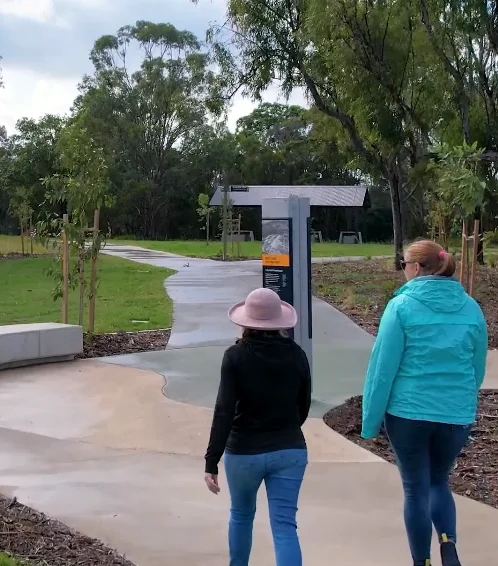
The upgraded lakefront area includes walking trails along the edge of the lakes, picnic shelters and green spaces designed for families, visitors and community groups.

Moreton Bay Central Lakes Walk Opens in Petrie

The Moreton Bay Central Lakes Walk adds another public space to a precinct already used by families and visitors, including those visiting the nearby Mill Water Park and Play Space.

The new circuit has also been developed beside the planned Moreton Bay Indoor Sports Centre, a venue connected to the Brisbane 2032 Olympic and Paralympic Games.

While the Games remain six years away, the walking circuit has opened ahead of that major event, giving residents access to the upgraded lakeside area well before the Olympic and Paralympic period.

The project is intended to provide green space for visitors to the sports centre during the Games, while also serving as long-term public infrastructure for City of Moreton Bay residents.

Moreton Bay Central lakes walking circuit
Photo Credit: City of Moreton Bay/Instagram

Former Paper Mill Site Continues to Change

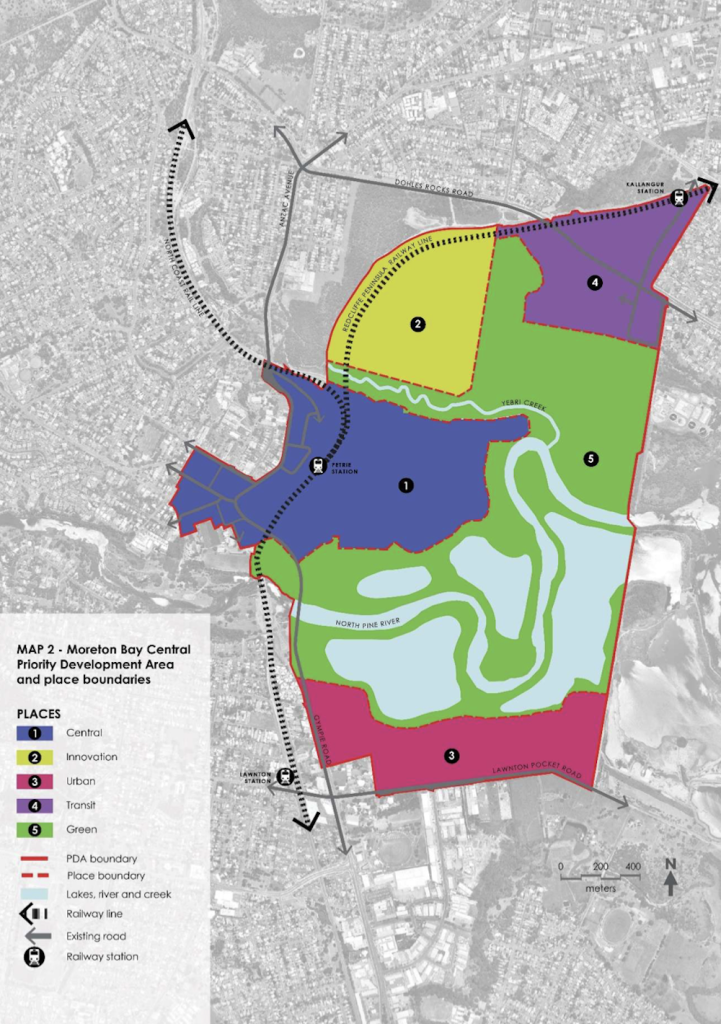
Moreton Bay Central, formerly known as The Mill, is a 460-hectare Priority Development Area in Petrie.

The site is located at the old Petrie Paper Mill and is now anchored by the UniSC Moreton Bay campus. The lakes precinct forms part of the broader Moreton Bay Central area, where public open space, recreation areas and major facilities are being developed.

The new walking circuit continues the transition of the former industrial site into a public precinct used for education, sport, recreation and community activity.

The lakefront works have been designed to make the edge of the lakes more accessible, with paths and landscaped areas giving visitors more ways to move through and use the precinct.

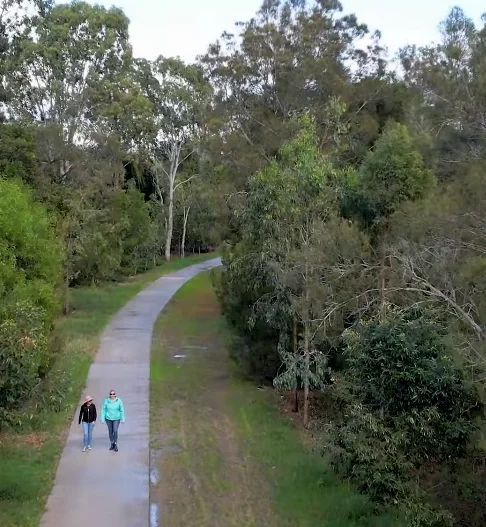
Petrie lakefront walking trail
Photo Credit: City of Moreton Bay/Instagram

Wildlife Area Will Remain Dog-Free

Dogs will not be allowed in the Moreton Bay Central Lakes Walk area because of the sensitive environmental setting.

The precinct is home to wildlife including koalas, possums and birds. The restriction has been put in place to protect the area’s natural setting and the animals that live there.

The environmental setting is a key part of the lakes precinct, with the walking circuit running through an area that combines public access with wildlife considerations.

Funding For The Petrie Project

The Moreton Bay Central Lakes Walk was funded through a mix of government and council contributions.

The project received $3,106,291 from the Australian and Queensland governments through the SEQ City Deal Liveability Fund. City of Moreton Bay contributed $2,944,569.


The SEQ City Deal is a partnership involving the Australian Government, Queensland Government and Council of Mayors South East Queensland. It supports projects intended to provide long-term benefits across South East Queensland, including City of Moreton Bay.

Published 29-June-2026

PsiQuantum Breaks Ground on Utility-Scale Quantum Computer at Petrie

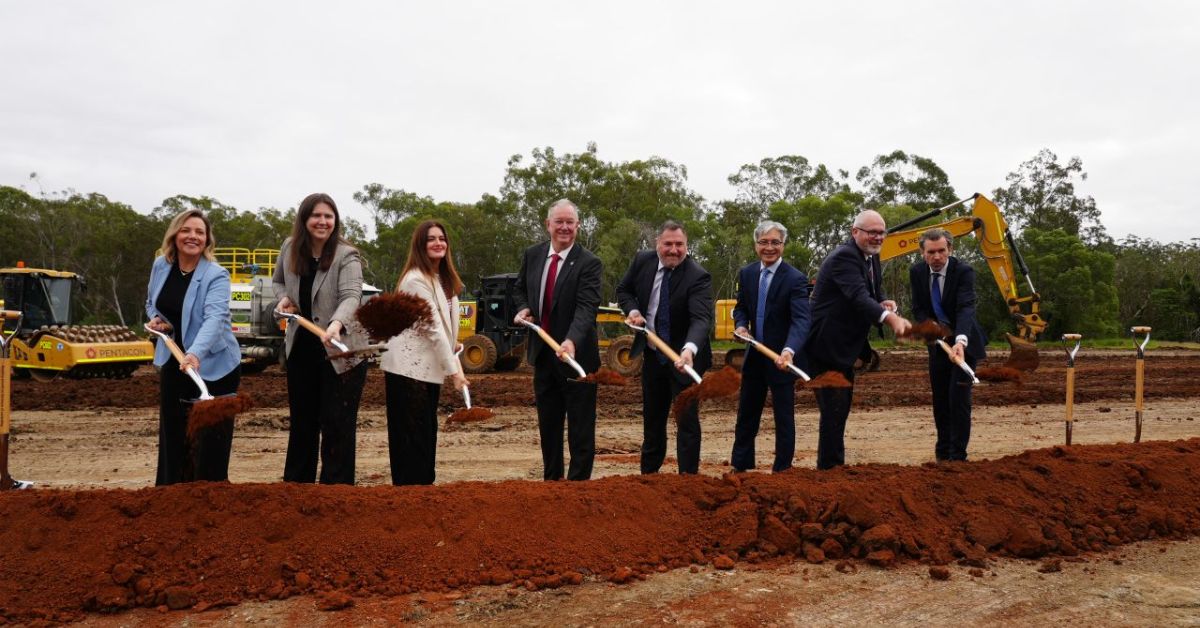
PsiQuantum has broken ground at Moreton Bay Central in Petrie, officially beginning construction of what the company describes as the world’s first utility-scale, fault-tolerant quantum computer on a site that once housed one of Queensland’s largest paper mills.


Construction began on 17 June, with the project backed by approximately $940 million in combined investment. It positions Moreton Bay Central as PsiQuantum’s Asia-Pacific headquarters and places the region at the centre of one of the most ambitious technology construction projects in the country’s history.

The potential impact of quantum computing

Fault-tolerant quantum computers operate on fundamentally different principles from conventional computers. Where today’s machines process information as binary bits, quantum systems use quantum bits, or qubits, that can exist in multiple states simultaneously, enabling certain classes of problems to be solved at a scale and speed no classical computer could approach.

Photo Credit: PsiQuantum

The applications researchers expect to unlock include breakthroughs in drug discovery, materials science, energy systems, logistics optimisation, financial modelling and agricultural science. The qualifier “utility-scale” matters: it describes a machine powerful and reliable enough to tackle real-world commercial and scientific problems rather than laboratory demonstrations. No such machine exists yet anywhere in the world.

Photo Credit: PsiQuantum

“For decades, quantum computing has held the promise of transforming what humanity can achieve through computation,” said PsiQuantum Interim CEO Victor Peng at the groundbreaking. “Today in Australia we are beginning to turn that promise into reality.”

How PsiQuantum is building it

PsiQuantum’s approach is photonic, using particles of light rather than superconducting circuits or trapped ions to carry quantum information. The practical advantage of photonics is that it operates closer to room temperature in some components and can leverage existing semiconductor manufacturing techniques used to produce optical chips.

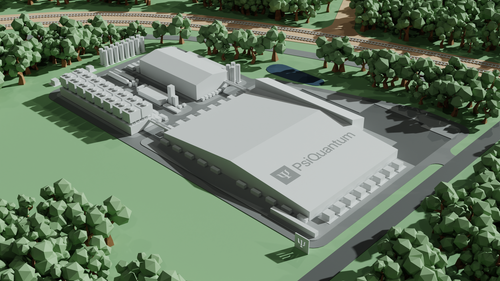
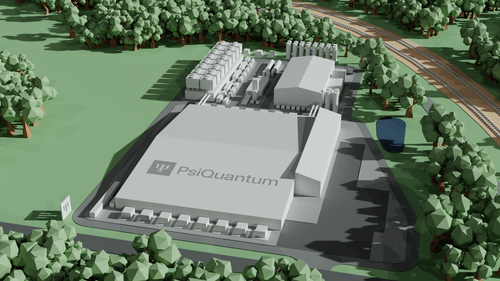
The facility’s central piece of infrastructure is a cryoplant ordered from Linde Engineering in late 2024, which will cool critical quantum components to near absolute zero. It will be one of the largest cryoplants ever constructed for quantum computing. Delivery is scheduled for the second half of 2027, after which PsiQuantum will commission the system before accepting cryogenic cabinets filled with photonic quantum chips networked via standard optical fibre.

The system at Moreton Bay is expected to be operational in 2029, pushed back from the original 2027 target that was announced when the project was first revealed in April 2024.

The site that made this possible

PsiQuantum originally planned to build the facility at Brisbane Airport, but relocated to Moreton Bay Central after identifying the Petrie site as better suited to the project’s power, utility and infrastructure requirements.

Photo Credit: PsiQuantum

The former Petrie Paper Mill had operated at industrial scale for decades, giving the site the heavy-duty services infrastructure that quantum computing at this level demands. New energy infrastructure commissioned ahead of the 2032 Olympic precinct development at the site has added further capacity.

Robert Lindwall, PsiQuantum’s head of Australian operations, described Brisbane Airport Corporation as a constructive early partner and thanked the airport precinct for its support before the project found its permanent home.

Building the ecosystem around it

A month before the Petrie groundbreaking, PsiQuantum opened its Test and Validation Lab at Griffith University‘s Nathan campus, including a high-powered cryogenic system to test photonic quantum chips and sub-systems. That facility is where the components for the Moreton Bay machine are being developed and refined before going into the main system.

The co-location of the Test and Validation Lab at Griffith, the TAFE Centre of Excellence at Moreton Bay Central and the USC Moreton Bay campus reflects a deliberate plan to build not just a machine but a regional quantum ecosystem, with research, training and manufacturing capacity growing alongside the hardware itself.

Jobs across engineering, technical operations, advanced manufacturing, research and professional services are expected to be created at the Petrie site as construction progresses.

For more information on PsiQuantum and the Moreton Bay Central project, click here.


Published 22-June-2026

Petrie Set To Host One of the World’s Most Advanced Computing Projects

A suburb better known for its university campus and train station is now being linked to one of the biggest technology projects on the planet, with Petrie selected as the future home of PsiQuantum’s planned utility-scale quantum computer and Asia-Pacific headquarters.


The project, backed through partnerships involving PsiQuantum, the City of Moreton Bay and the Queensland and Federal governments, is expected to be built at Moreton Bay Central in Petrie. The proposed site sits beside the University of the Sunshine Coast’s Moreton Bay campus, an area that has steadily grown into a centre for education, research and new industry.

A Global Technology Race Lands In Moreton Bay

Quantum computing has been described by researchers as the next major leap in computing power, with the potential to solve problems that current supercomputers would struggle to process. PsiQuantum is among a small group of companies worldwide working to build a machine capable of operating at a large commercial scale.

The Australian project forms part of a broader push to strengthen the country’s role in advanced technology and manufacturing. The company’s earlier plans centred on Brisbane Airport before attention shifted north to Petrie and the Moreton Bay region.

In statements released by the City of Moreton Bay and PsiQuantum, both organisations pointed to Petrie’s growing infrastructure, transport access and links to education and research institutions as major reasons behind the move.

The project still needs to pass Council approval and land processes before construction can move ahead. If approved, the project would place Moreton Bay alongside a short list of international locations connected to the global race to build practical quantum computers.

Petrie’s University Precinct Draws International Attention

The choice of Petrie reflects how quickly the area around Moreton Bay Central has changed over the past decade. Once dominated by former paper mill land, the precinct now includes university facilities, commercial developments and expanding transport links connected to Brisbane’s northern corridor.

The University of the Sunshine Coast’s Moreton Bay campus has become one of the region’s fastest-growing education sites, with local leaders hoping the quantum computing project could help create stronger pathways between universities, research groups and private industry.

The development could help attract advanced manufacturing businesses and specialist suppliers into the region over time.

PsiQuantum has also signalled plans to work alongside Australian universities and researchers as the project develops. The company previously partnered with government agencies and academic institutions during earlier phases of its Australian expansion.

Jobs, Construction And Long-Term Growth For Locals

Local leaders believe the development could reshape employment opportunities across Moreton Bay over the coming years, particularly in engineering, construction, advanced manufacturing and technology.

Statements from Moreton Bay Mayor Peter Flannery described the proposal as one of the largest technology projects ever connected to the region, with expectations it could support thousands of skilled jobs both during and after construction.

While many of the long-term technical roles would require specialised training, large infrastructure projects of this scale also tend to create demand across local businesses, hospitality, transport and support services.

Australia’s Quantum Industry Continues To Expand

Quantum computing has become an increasingly competitive global industry, with governments and private companies investing heavily in research centres, chip manufacturing and specialist talent.

A Queensland Government statement confirmed significant state and federal support connected to PsiQuantum’s Australian operations, reflecting growing interest in keeping high-level technology development within Australia.

Industry experts believe quantum systems could eventually assist with medical research, logistics, climate modelling, cybersecurity and energy systems, although large-scale commercial use is still years away.


Publidhrf

Old Petrie Town Revival Mirrors Petrie’s Changing Identity

For years, Old Petrie Town stood as a reminder of the suburb Petrie used to be — practical, familiar and shaped by its industrial past. Now, as restoration works move ahead across the historic village, the site is becoming part of a much bigger story unfolding north of Brisbane, where Petrie has steadily shifted from a commuter suburb into one of Moreton Bay’s fastest-changing education and lifestyle precincts.


A Suburb Once Defined by the Paper Mill

Long before the arrival of university students and new commercial developments, Petrie was closely tied to the Australian Paper Mill, which operated beside the North Pine River for decades. The mill shaped the local economy and identity until its closure in 2011 left behind a massive industrial site near Petrie railway station.

What followed was one of the largest redevelopment projects in the region.

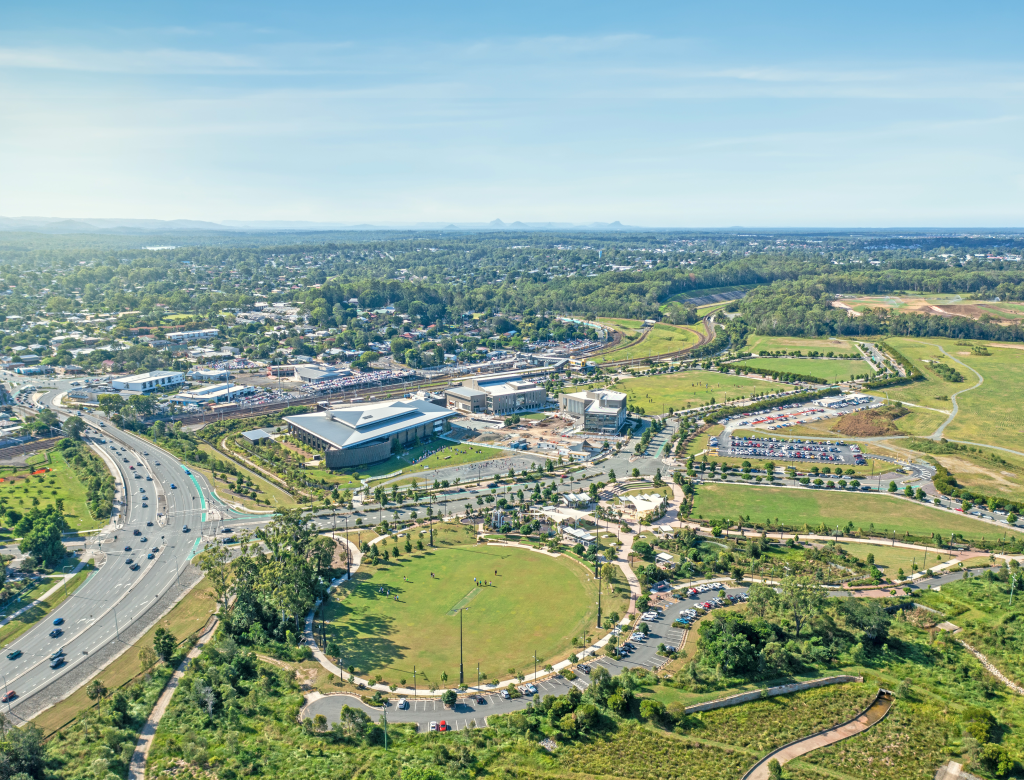
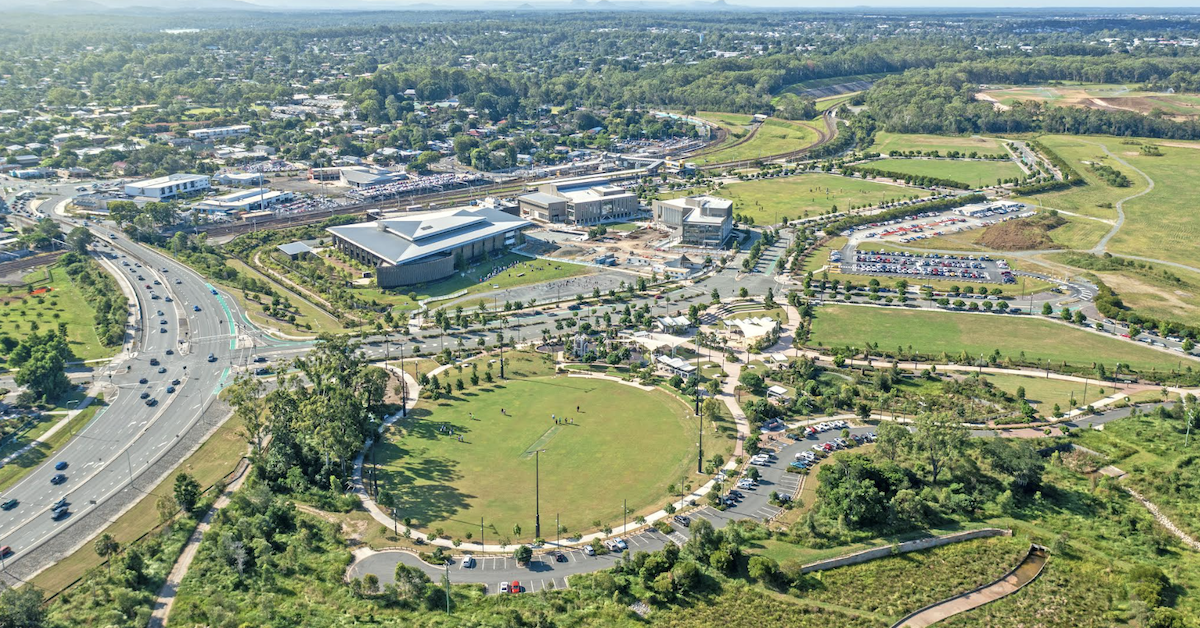
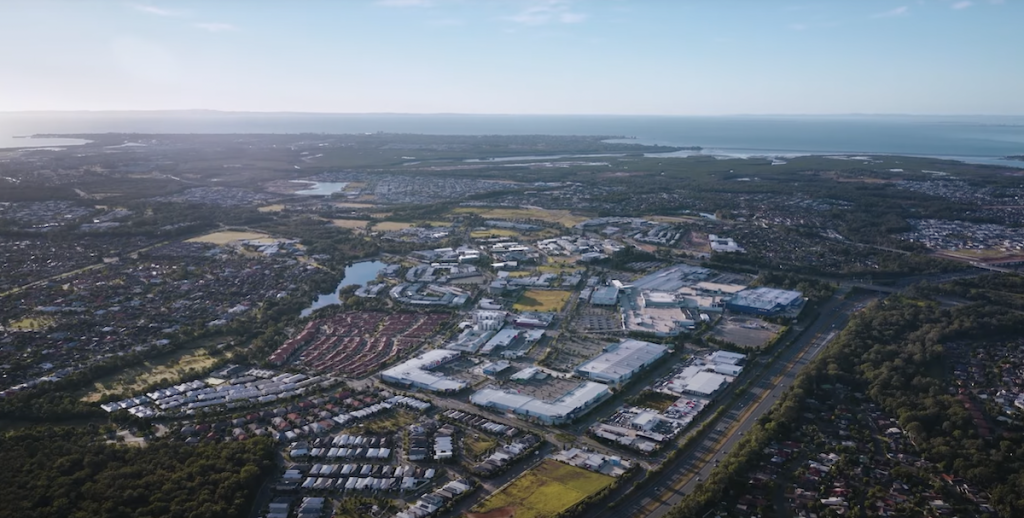
The Queensland Government later declared the area a Priority Development Area, paving the way for what is now known as Moreton Bay Central. The project spans hundreds of hectares and includes public spaces, commercial land, future housing and the growing UniSC Moreton Bay campus.

This period marked the first major shift in how Petrie was being viewed.

Moreton Bay Central
Photo Credit: EDQ QLD

UniSC Changed More Than the Skyline

When the University of the Sunshine Coast opened its Moreton Bay campus in 2020, the suburb began attracting a different mix of people. Students, researchers, hospitality businesses and new residents started moving through an area once known mainly for train commuters and passing traffic.

The campus has continued expanding, with three major buildings added in 2024, including health, engineering and research facilities.

That growth has flowed into surrounding suburbs including Kallangur, Lawnton and North Lakes, where increased demand for housing and local businesses has followed the area’s population growth.

New student accommodation proposals and upgrades around the lake precinct have added to the sense that Petrie is no longer developing around a single project, but through several layers of change happening at once.

Old Petrie Town Finds a New Place in the Story

Against that backdrop, Old Petrie Town has taken on fresh importance.

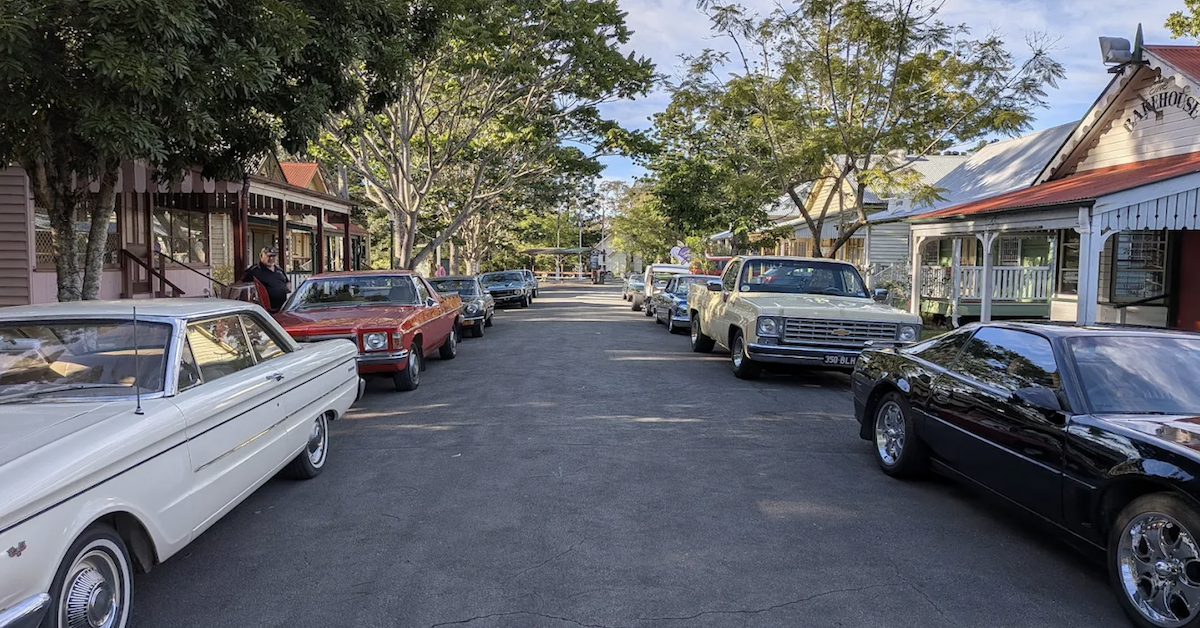
City of Moreton Bay has committed millions of dollars towards restoration and maintenance works across the heritage village, including upgrades to ageing buildings, infrastructure repairs and improvements to public areas. The council has also flagged plans to refurbish the Heritage Hotel and Function Centre following the retirement of its long-term leaseholder.

The village has remained a regular stop for markets, weddings, school excursions and community events over the years, even as the surrounding suburb changed around it.

Rather than removing the area’s older identity, the current works aim to keep one of Petrie’s best-known landmarks active while newer developments continue reshaping the district.

Council statements linked the project to preserving the site’s historical value while improving the visitor experience and supporting future tourism activity.

Photo Credit: Lauren Cox/Google Maps

Growth Around Petrie Starts Reaching Further North

The changes taking place in Petrie are also being felt across the northern corridor, particularly in North Lakes, where population growth and transport links have increasingly tied the suburbs together.

Petrie railway station remains a key connection point for workers and students travelling between Brisbane and Moreton Bay, while nearby road upgrades and commercial investment have continued drawing attention to the area.

The transformation has not arrived in the same way as masterplanned suburbs like North Lakes, which expanded rapidly over a shorter period. Petrie’s shift has happened gradually through redevelopment, education investment, public infrastructure and community projects spread over several years.

That slower pace has made the changes less dramatic day-to-day, but more noticeable over time.

A Different Future Taking Shape

Old Petrie Town still looks much the same in many places, with heritage buildings, market stalls and timber shopfronts remaining central to the site’s character. But around it, the suburb has entered a very different chapter from the one many long-term residents remember.

Between the university expansion, redevelopment of the former mill land and continued investment in community spaces, Petrie has become one of the region’s most closely watched growth areas.


The work now happening at Old Petrie Town reflects that broader shift — not replacing the suburb’s past, but finding a place for it inside a rapidly changing part of Moreton Bay.

Published 20-May-2026

North Lakes, Mango Hill And Petrie Commuters Face Longer Waits Under Reduced Train Timetable

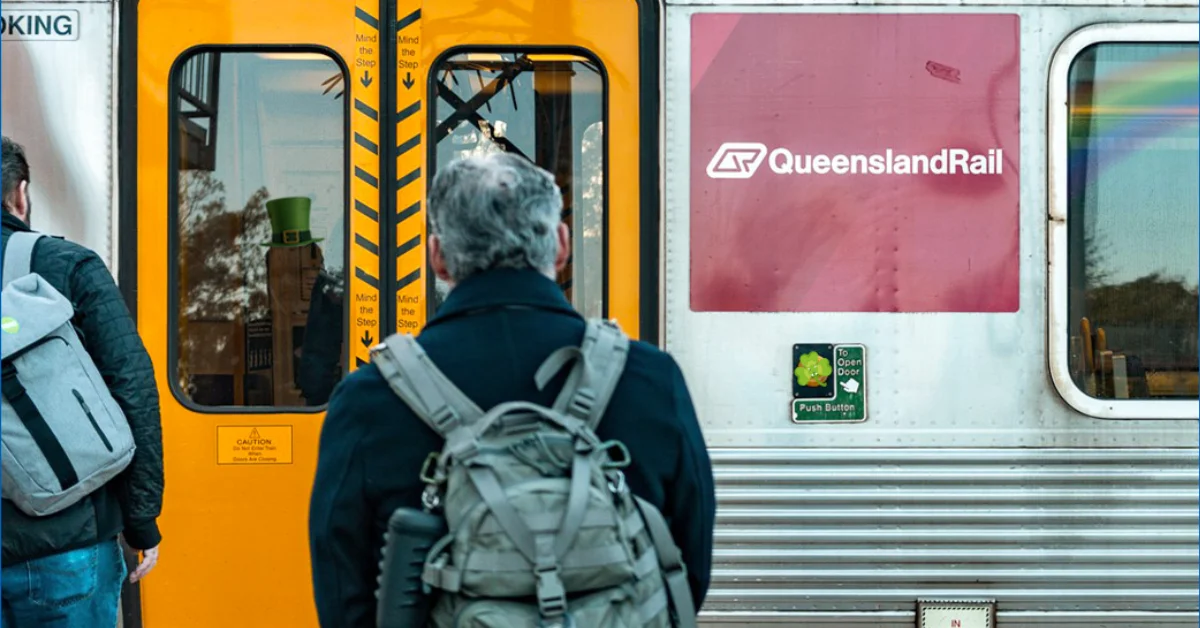
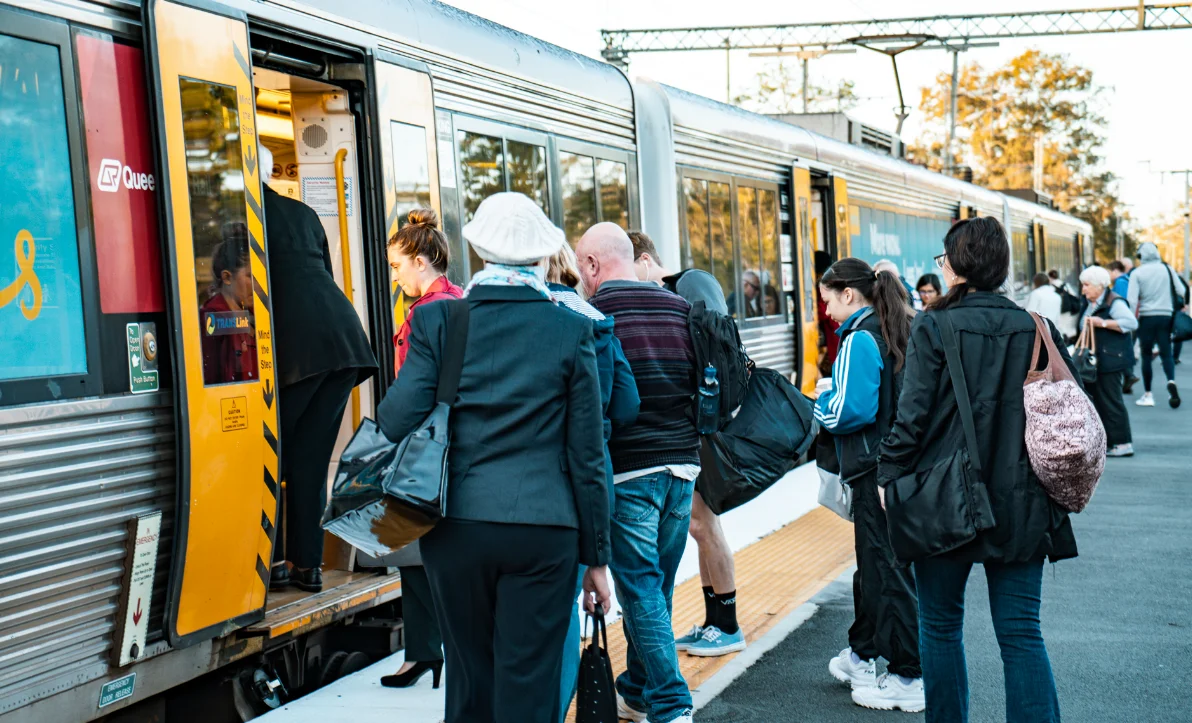
Commuters in and around North Lakes, Mango Hill and Petrie are being urged to allow extra travel time as Queensland Rail runs a reduced weekday timetable across South East Queensland, with key northern services operating less often and some trains reduced to three-car services.


Northern Rail Lines Move To Reduced Services

The changes affect the Redcliffe Peninsula and Caboolture lines, both of which are important routes for commuters travelling through Brisbane’s northern corridor.

The reduced timetable began on Tuesday, 5 May, and remains in place until further notice. Weekday services are operating on a modified schedule similar to a Saturday timetable, with extra trains during the morning and afternoon peaks.

The changes have been introduced due to protected industrial action. Across the wider network, the reduction amounts to 273 fewer weekday train services.

North Lakes trains
Photo Credit: Translink/Facebook

North Lakes, Mango Hill And Petrie Passengers Face Busier Trips

During peak travel periods, services on the Redcliffe Peninsula and Caboolture lines are running every 15 minutes. Outside peak times, most trains are operating about every 30 minutes.

For commuters in areas such as North Lakes, Mango Hill and Petrie, that means longer gaps between some services and more pressure on peak-hour travel. Passengers who usually rely on frequent weekday trains may need to adjust their routines while the reduced timetable remains in place.

Some trains will also operate as three-car services until further notice. Passengers have been advised to allow extra travel time and consider catching an earlier or later service where possible, as trains are expected to be more crowded than usual.

Passengers Told To Check Before Travelling

Queensland Rail has advised passengers to check the TransLink journey planner before travelling. The journey planner has been updated until Friday, 8 May, with the latest timetable information.

The advice applies across affected South East Queensland services, including the Redcliffe Peninsula and Caboolture lines. Commuters are being encouraged to replan their journeys before leaving home, particularly during peak travel periods.


No end date has been confirmed for the reduced timetable. Further changes may be made if network conditions change, but passengers are currently being told to expect the altered schedule to remain in place until further notice.

Published 7-May-2026

A Cross Built From a Fallen Tree: Mt Maria College Petrie Finds Hope at the Heart of Easter

Students and staff at Mt Maria College in Petrie gathered this Easter to remember the Passion of Good Friday and celebrate the hope of the Resurrection, marking the season with a moment that brought together faith, community and the unexpected beauty of something made from loss.


Petrie parish priest Fr Louie Jimenez blessed and installed a new college cross during the school’s Easter gathering, carved from the timber of a college tree brought down by Cyclone Alfred. For a community that weathered the storm together, the cross carries a meaning that goes well beyond decoration.

Something Beautiful From the Storm

Mt Maria College principal Kerry Maher described the cross as a powerful symbol of resilience and renewal for the whole community. “Easter invites us to pause and reflect on suffering, sacrifice and renewal,” she said. “Even in times of challenge, hope can be restored and new life can emerge.”

The cross was not kept within the school’s walls. It was also used during Petrie Parish’s Good Friday Celebration of the Lord’s Passion, deepening the connection between the college and its parish community and giving the symbol a life that reached beyond the school gates.

That connection between school and parish is central to how Mt Maria approaches formation. Students and staff from a wide range of cultural backgrounds and beliefs gathered in shared prayer for the occasion, finding common ground in the season’s themes of suffering, hope and renewal.

“When we educate the whole person, spiritually, academically, socially and emotionally, we create the conditions for young people to grow as hopeful and confident learners,” Ms Maher said.

Part of Something Bigger Than One School

Mt Maria’s Easter gathering took place against a backdrop of Easter activities across Brisbane Catholic Education’s 146 schools, each finding their own way to live out the season’s meaning in community.

St Eugene College in Burpengary raised more than $8,000 for Caritas Australia’s Project Compassion this Easter, channelling their patron saint’s spirit of charity and generosity into house initiatives and whole-school events. The fundraising reflected a conviction that belonging extends beyond the school community and out towards what students described as a global family.

“Their aim was to show how small, shared actions could bring hope and change for people at the margins,” a spokesperson for the college said.

St Ignatius School in Toowong also raised funds for Project Compassion, combining an Easter Hat Parade with donation drives for Easter eggs, soft toys, activities and stickers. Principal Benedict Campbell described hope as the thread running through the whole effort.

“Hope is not about ignoring the challenges people face,” he said. “Rather, hope invites students to walk alongside others with compassion, trusting that love and faith can bring light even in difficult times. At Easter, we are reminded of Jesus’ example; he did not turn away from the suffering of the world but responded with care, generosity and self-giving love.”

Walking the Road Together

Sophia College in Plainland offered its first-ever cohort of Year 12 students an Easter experience designed to be immersive rather than observational. The students walked the Stations of the Cross with Franciscan Father Bernie Thomas at St Mary’s Church in Ipswich, praying and reflecting together at each station.

Principal Narelle Dobson said the experience reminded students that they were not walking alone. “Hope brings people together, gives meaning to shared moments and helps a community grow not just in size but in spirit,” she said.

Why It Resonates Here in Petrie

For the North Lakes and Petrie community, Mt Maria College’s Easter gathering carries a particular local resonance. Cyclone Alfred was not an abstract weather event for this part of southeast Queensland; it was something residents lived through, cleaned up after and are still processing. A cross made from a tree that the cyclone brought down, blessed and installed at the heart of the school, is the kind of thing that turns a religious observance into something genuinely local and deeply felt.

That is what community schools do at their best. They take the universal themes of a season, hope, renewal, the idea that something good can come from something hard, and make them specific to the place and the people who call it home.


Published 8-April-2026

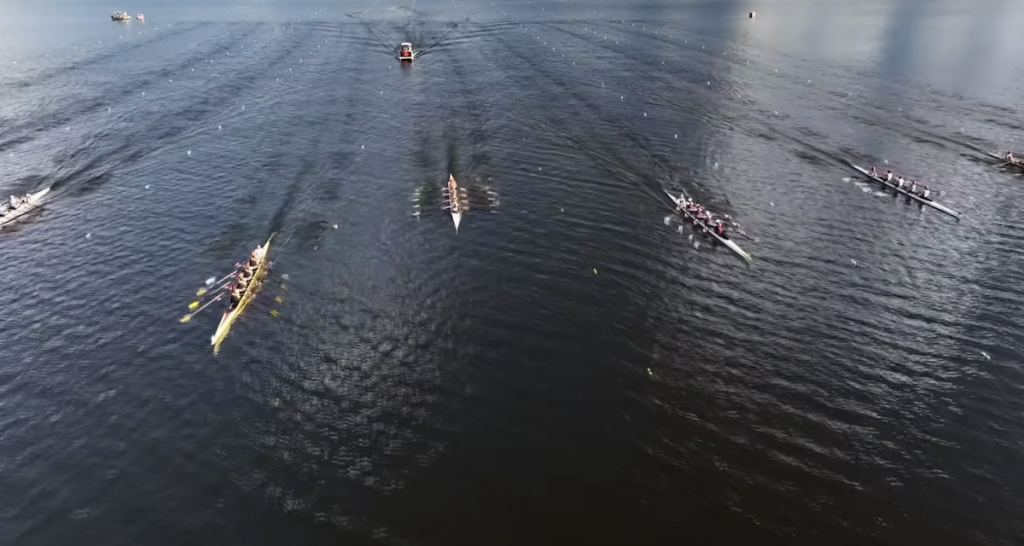
Olympians Back Moreton Bay Rowing Proposal as 850 Homes Planned

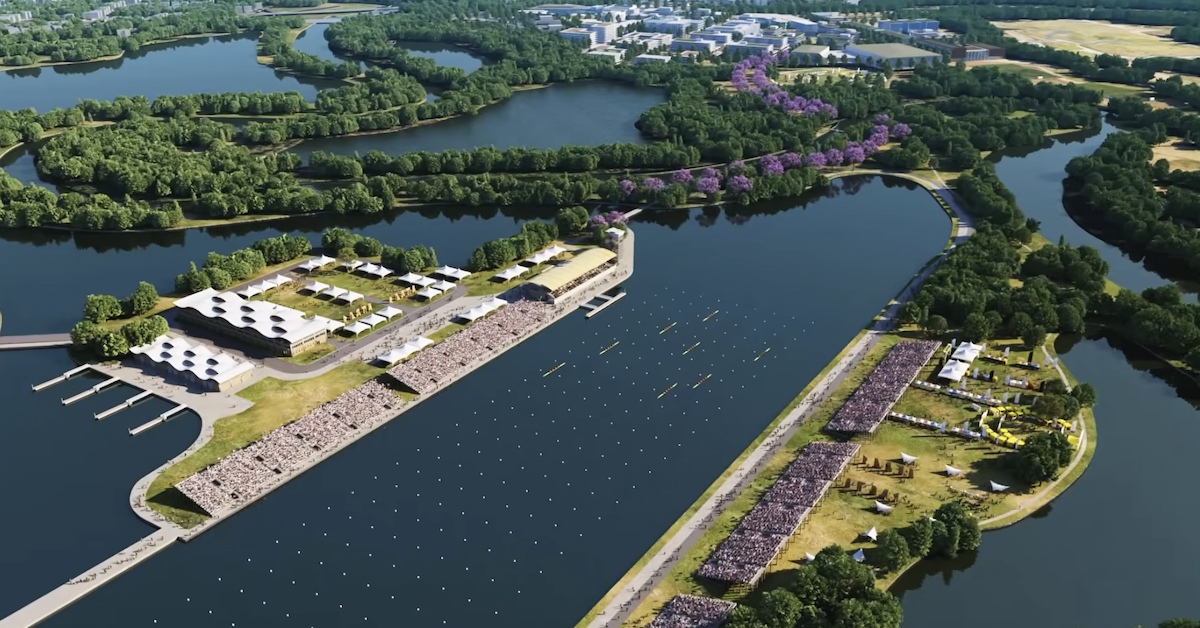
Olympic athletes Emily Seebohm and Curtis McGrath have joined the campaign for a purpose-built rowing venue in Moreton Bay for the Brisbane 2032 Games, as the city highlights plans for 850 homes within the broader precinct.


The proposal centres on the former Boral quarry site at Lawnton, near Petrie, which the City of Moreton Bay is promoting as a permanent flatwater venue for rowing and canoe sprint events. The site is being presented as an alternative to the preferred location on the Fitzroy River in Rockhampton.

Athlete support adds weight to the proposal

Seebohm and McGrath have appeared in promotional material backing the Moreton Bay bid.

McGrath has previously raised concerns about whether river conditions in Rockhampton would provide an even course for Olympic competition. In supporting the Moreton Bay plan, he pointed to the value of a purpose-built venue designed for consistent racing conditions.

Seebohm’s support focused on the long-term value of a permanent facility, including its potential use by future athletes and the wider community.

Their involvement gives the proposal added public profile as debate continues over where rowing and canoe sprint events should be staged in 2032.

Photo Credit: City of Moreton Bay/YouTube

Housing and legacy plans brought into focus

City of Moreton Bay has now placed greater emphasis on the precinct’s housing component, saying the development could deliver 850 homes through a staged rollout.

The project would combine the sporting venue with residential areas, commercial space, recreation facilities and transport links connected to Petrie railway station. The planned housing mix includes family homes, smaller options for downsizers and medium-density dwellings.

Photo Credit: City of Moreton Bay/YouTube

Mayor Peter Flannery said the proposal was intended to leave a lasting benefit for the region rather than serve only as Games infrastructure.

Council has also identified the possibility of student accommodation linked to the nearby University of the Sunshine Coast campus, arguing that the project could support both housing supply and future workforce needs.

Partnership with Boral

The proposal is being advanced as a public-private partnership involving Boral, which owns the quarry land.

Boral executive general manager Kate Jackson said the project showed how a former quarry site could be repurposed through coordinated planning involving industry, housing and education uses.

Council says the approach would allow Games-related investment to be tied to infrastructure with an ongoing local use after 2032.

Still an alternative to Rockhampton

While support for the Moreton Bay option is growing, Rockhampton remains the state’s nominated venue for rowing and canoe sprint events.

That plan is still subject to review by the International Olympic Committee, World Rowing and the International Canoe Federation.

But with athlete support, a housing component now clearly defined, and council continuing to press the legacy case, the Lawnton-Petrie site is being positioned as more than just a sporting venue.


Published 19-March-2026

Pultron Composites to Base New HQ Next to UniSC Moreton Bay Campus


A New Zealand advanced manufacturer is set to build its Australian base beside the UniSC Moreton Bay campus in Petrie after winning the City of Moreton Bay’s $1 million Ultimate HQ competition, a prize package aimed at bringing more skilled jobs and investment into the local community.


Headquarters Set for Moreton Bay Central Near UniSC

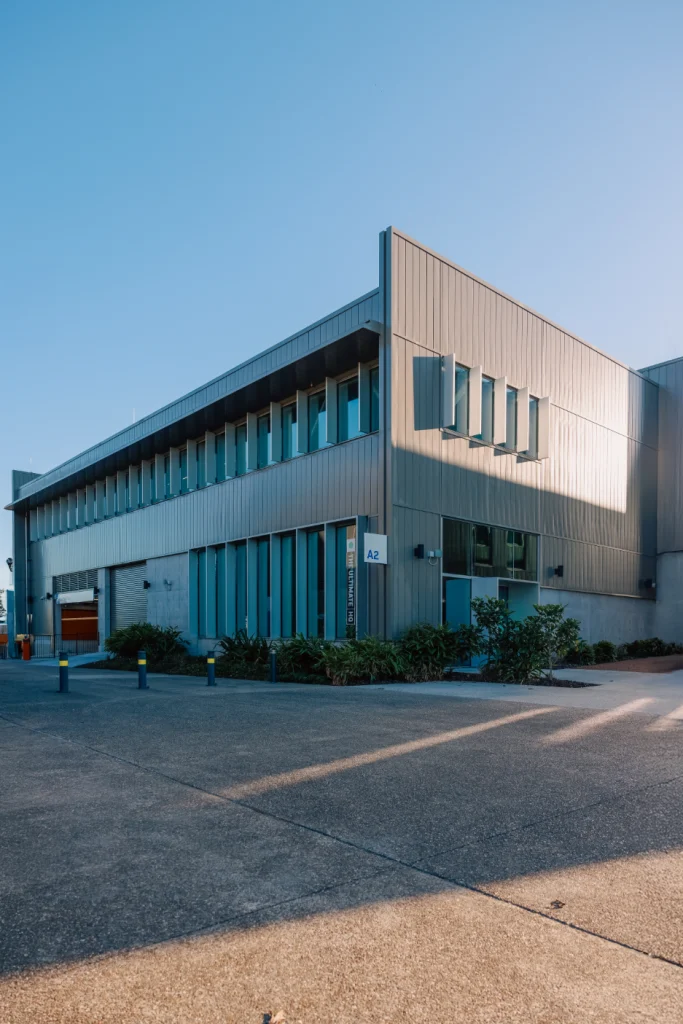
On 4 March 2026, the City of Moreton Bay announced Pultron Composites as the winner of the Ultimate HQ headquarters package, with the new base to be established at Moreton Bay Central next to the UniSC Moreton Bay campus. The precinct has been described as a place built to connect businesses with researchers, students and facilities in a growing education-and-industry hub.

Photo Credit: The Ultimate HQ

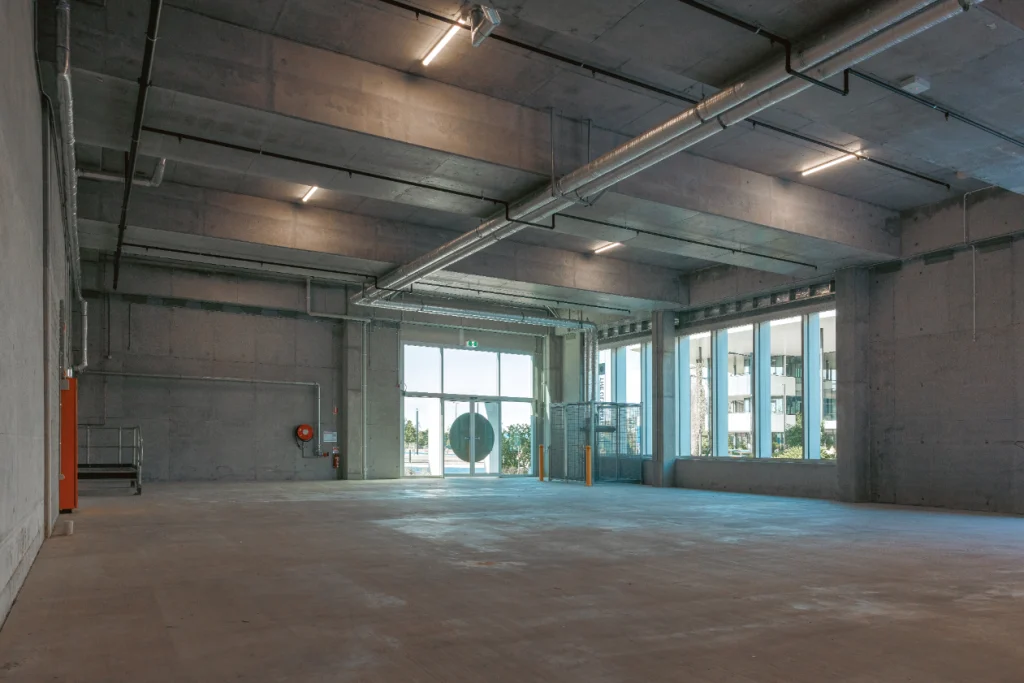
The prize includes five years of rent-free headquarters space, a $250,000 contribution towards a fit-out and professional support from partners including BDO, Constant Contact, K&L Gates, Telstra, Westpac and Innovate Moreton Bay.

Pultron Composites is an advanced manufacturer specialising in corrosion-resistant composite technologies. The company’s Mateenbar glass fibre reinforced polymer rebar is used in major infrastructure projects internationally and is promoted as supporting lower-carbon, longer-life construction solutions in the council material.

Global Contest, Local Pitch Week

Organisers said the competition attracted entries from six countries, reached more than six million people, and represented a group of applicants worth more than $500 million in potential capital investment, along with 1,000 prospective jobs.

Finalists spent five days in the City of Moreton Bay as part of an “Investor Safari” program, which included meetings with business and industry stakeholders, UniSC researchers and civic leaders, along with site visits and a live pitch. Council said the program included experiences such as the “Beach Boardroom” on Bribie Island, designed to give finalists a sense of the region and its business networks.

UniSC leadership said the headquarters location at Moreton Bay Central would place the company close to UniSC researchers, facilities and students across engineering, technology and business, creating scope for research partnerships and talent pathways.

Pultron’s spokesperson said the company valued the chance to build locally, work with UniSC and tap into the region’s strengths, based on statements included in the media release.

Photo Credit: The Ultimate HQ

A Precinct Built on a Former Mill Site

Moreton Bay Central forms part of a major redevelopment of the former paper mill site in Petrie. The Economic Development Queensland project page for Moreton Bay Central describes plans for a mixed-use precinct that includes the UniSC Moreton Bay campus along with commercial and community infrastructure.


Published 5-March-2026