



Petrie Intersection to Test AI Traffic Lights in Australian First

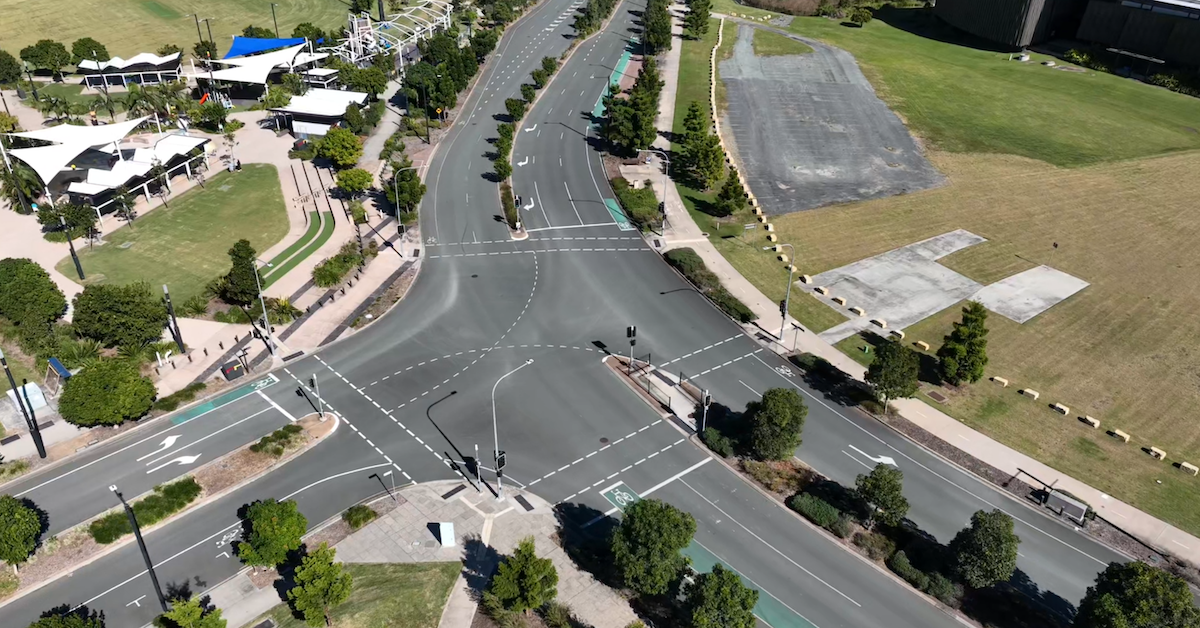
Drivers across Moreton Bay could soon spend less time waiting at red lights, with the City of Moreton Bay preparing to test an artificial intelligence-powered traffic signal system for the first time in Australia. The trial will take place at the intersection of Moreton Parade and Paper Avenue in Petrie. 


By late 2026, existing traffic signal controllers will be replaced with next-generation hardware that works with the current in-ground vehicle detection system. The council will also install advanced traffic detection sensors to collect more detailed information about road users. These sensors can identify cars, trucks, cyclists and pedestrians, helping the system respond more accurately to changing traffic conditions.  

The pilot aims to improve traffic flow by allowing traffic lights to respond to real-time conditions instead of following a fixed sequence. If successful, the technology could reduce delays at intersections, ease congestion and cut the time vehicles spend idling at red lights.  
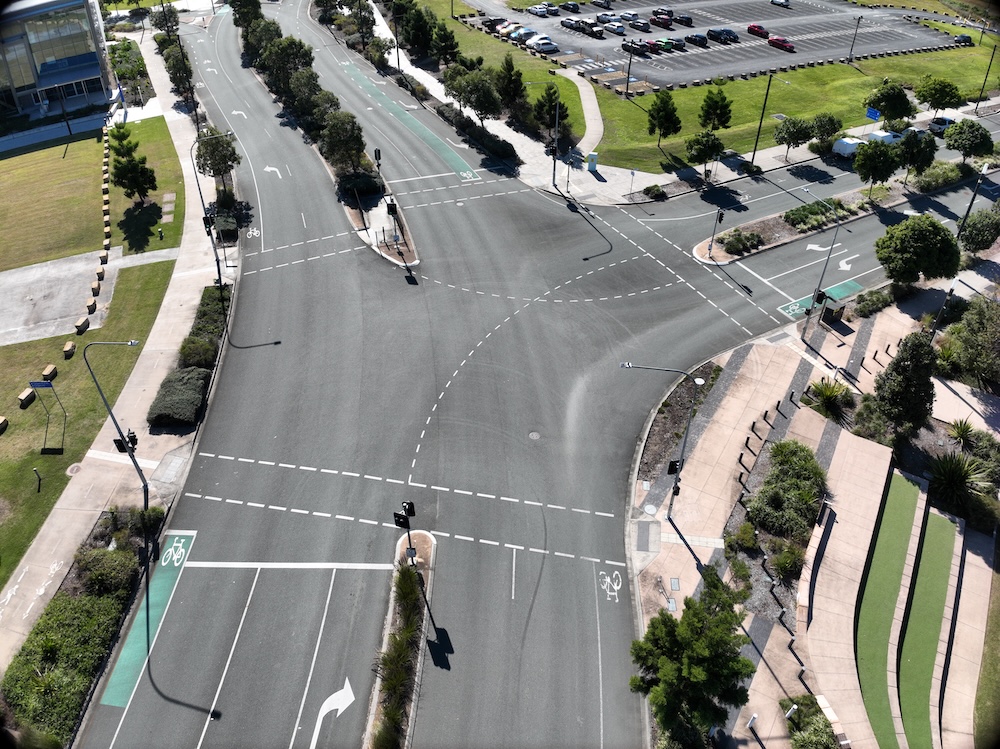
Photo Credit: Supplied

A decades-old traffic system gets a modern update

Australia’s long-standing traffic signal method uses a phase-based system dating back to the 1980s. Under this approach, traffic lights follow a set order, even as traffic volumes change throughout the day.  

The new system uses a movement-based approach instead. It analyses vehicle movements in real time and adjusts signal timings to match current traffic conditions. The technology manages individual traffic movements without being tied to a fixed sequence or grouping of traffic lights, helping traffic move more efficiently through intersections.  

According to the City of Moreton Bay, the system combines artificial intelligence with advanced traffic algorithms to support smoother traffic flow. It can also prioritise higher traffic volumes, including public transport, as traffic conditions change throughout the day.  

Cutting unnecessary waits at empty intersections

One of the biggest changes for motorists could be shorter waits when an intersection is clear.

The technology is designed to reduce unnecessary delays created by traditional traffic signal timing. Council says it will also reduce the transition time between conflicting traffic movements, including the all-red interval when every direction is stopped, while maintaining safe operating margins. As a result, drivers may spend less time waiting when there is little or no cross traffic.  

The City of Moreton Bay also expects the system to reduce vehicle emissions because cars will spend less time idling at intersections.  

Mayor Peter Flannery said the City of Moreton Bay believed the trial had the potential to improve daily travel for residents by reducing unnecessary delays and managing traffic more efficiently. He also said the technology could better respond to changing traffic patterns throughout the day while maintaining safe operating margins.  


If the pilot proves successful, the City of Moreton Bay plans to test the technology at a more complex intersection.  

Published 6-July-2026

Narangba Gridlock: One Mum’s Push to End the Rail Crossing Chaos

Every morning in Narangba starts the same way for Haley Riches: packing school bags, loading the car, and hoping she won’t hit the rail crossing at the wrong time. But more often than not, she does. Like many locals, she finds herself stuck behind the boom gates, watching train after train pass, while the clock ticks and kids grow restless in the back seat. It’s not unusual for the wait to stretch past 10 minutes. Some days, it happens four times. 


“It’s not uncommon to sit waiting for 10 to 15 minutes at a time, just to cross the train line. Multiply that by four trips a day, and it adds up to hours every week lost in our cars,” the mum said.

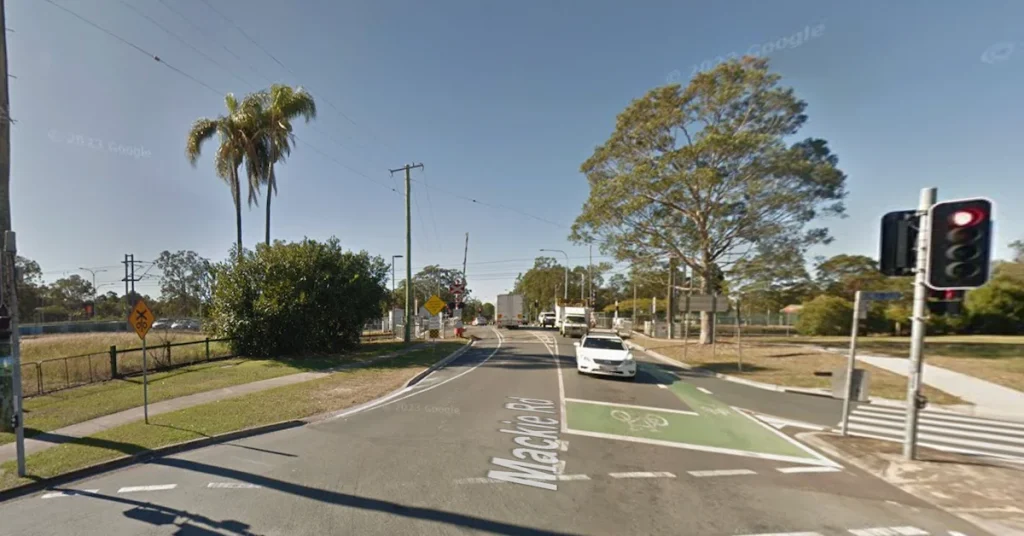
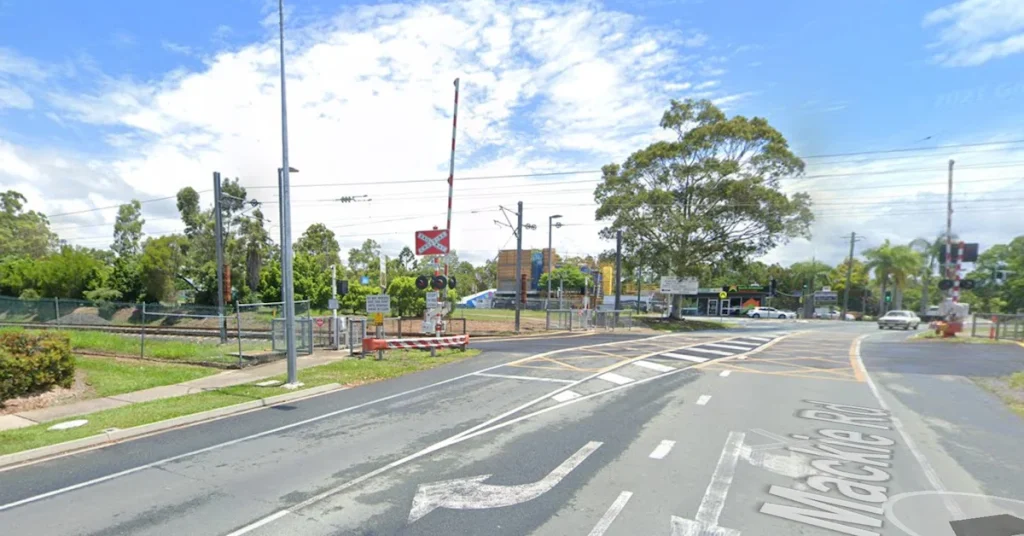
For Haley—and for hundreds of other families, workers and commuters in this growing Moreton Bay suburb—the crossing at Main Street and Mumford Road, and the nearby one at Burpengary Road and Mackie Road, has become more than just a delay. It’s a daily frustration, and some say, a looming safety hazard.

From Frustration to Action

It was after yet another long wait and another close call at the intersection that Haley decided to do something. In early 2025, she launched a petition asking officials to take action. The request was simple: find a safer, more efficient way for traffic to cross the railway line—whether through an overpass, underpass, or upgraded crossing system.

The response from the community was swift. Signatures started to pour in, and stories from other residents echoed her concerns. Parents juggling school drop-offs, workers trying to get to jobs on time, and visitors who dreaded the delays all backed the cause.

“I’m not an engineer,” Haley said. “But I know this isn’t working—and it hasn’t been for years.”

Narangba Rail Crossing
Photo Credit: Google Maps

A Growing Town, a Growing Problem

New housing estates in Narangba Heights and Kinma Valley are set to add more than 3,000 homes to the area. That’s thousands of new cars, more school traffic, and more pressure on the same old crossings. Moreton Bay has already secured $10.1 million in funding to upgrade the Young Road and Oakey Flat Road intersection, just west of the rail line. That work is due to start later in 2025.

But Haley said the real pressure point remains the crossings—and the people who are stuck at them every single day. In the past, plans for an overpass were reportedly dropped after locals pushed back, but community attitudes may now be shifting. 

“The roads are way busier than they were back then,” said one resident on social media. “It’s not just a delay anymore. It’s a risk.”

Taking the Fight to Officials

Her petition quickly gathered traction, leading to a face-to-face meeting with MP Shane King. For nearly two hours, they discussed the rail line, the nearby roads, and how the town’s rapid growth was putting more pressure on old infrastructure.

King said he would take the petition to Parliament and explore state funding options. He also committed to following up on reports that heavy quarry trucks were using Narangba Road illegally, crossing the train lines and adding to congestion. Cr Mark Booth voiced his support too, and Haley is now preparing for meetings with local council representatives, including Acting Cr Tony Latter, to keep the issue moving.

Narangba Rail Crossing
Photo Credit: Google Maps

Data, Evidence and Determination

Haley is now collecting dashcam footage and police reports to show just how serious the problem has become. In one rainy week this July, there were already two crashes near the crossing. She’s also had to pay for extra childcare so she can attend meetings—just one of many small sacrifices she’s making to keep the issue on the agenda.

While not everyone agrees on what the fix should be, there is broad support for the idea that something needs to happen soon. Some locals have suggested extending nearby roads or widening key routes. Others point out that with train frequency set to increase thanks to the Cross River Rail project, the delays will only worsen if nothing is done.

Haley said she understands any major upgrade will take years, but believes that’s even more reason to start now.


The Road Ahead

With another round of meetings coming up in early August, Haley hopes to reach at least 3,000 signatures—and maybe more. She said the goal isn’t to push blame or demand the impossible. It’s simply to make sure her town doesn’t get left behind.

“Narangba is growing, and it deserves better,” she said. “I just want to make it safer, and easier, for all of us to get where we need to go.”


Published 25-July-2025